
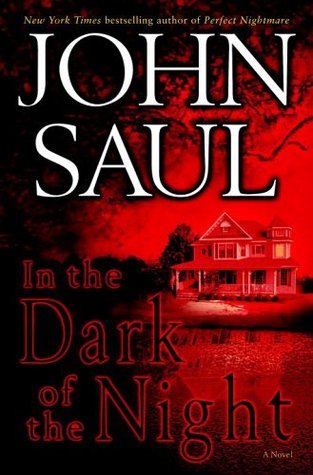
In the Dark
Book Description
Darkness descends, swallowing the unsuspecting in its suffocating grip. A night of celebration turns into a twisted nightmare when a group of friends embarks on a thrilling camping trip, only to find themselves stalked by an unseen terror lurking just beyond the flickering firelight. As fear flows through their veins, alliances shatter and secrets unravel under the weight of their shared paranoia. Each heartbeat intensifies the tension, blurring the line between trust and betrayal. Will they unify to face the horror that hunts them, or will the shadows reveal a more sinister truth? What awaits them when dawn breaks?
Quick Book Summary
"In the Dark" by Richard Laymon plunges readers into a harrowing night where fear and paranoia reign. A group of friends sets out for a celebratory camping trip, expecting a joyful escape from daily life. However, as darkness envelops the forest, an unseen terror begins to stalk them relentlessly, turning their adventure into a waking nightmare. Tensions rise, friendships fray, and secrets emerge as the campers realize the threat may be closer than they ever imagined. Forced to confront both external horrors and internal betrayals, the group must decide whether to unite against the darkness or succumb to it. Laymon masterfully blends suspense, graphic violence, and psychological thrills, delivering a chilling tale where survival is not guaranteed, and the true horror may lie within.




Summary of Key Ideas
Table of Contents
The Erosion of Trust in Extreme Circumstances
The story begins with a close-knit group of friends planning a festive camping trip to celebrate a major milestone. Their camaraderie is palpable, with jokes and shared nostalgia setting a cheery mood as they head into the secluded woods. The initial sense of freedom and escape is palpable, as the group bonds over campfire stories and the thrill of isolation. Laymon sets the stage by emphasizing both the allure and inherent danger of the wilderness at night—a place where boundaries between reality and imagination blur.
The Transformative Power of Fear
As darkness descends, an odd feeling of unease creeps in, subtly undermining the group's security. Shadows shift unpredictably, and eerie sounds from the forest ignite primal fears. Laymon employs a slow build of suspense, using the setting to his advantage—each flicker of the fire seems to reveal something just beyond the characters' sight. The mood intensifies when ominous signs of being watched begin to emerge: mutilated animals, strange symbols, and fleeting glimpses of a figure lurking in the gloom. Anxiety mounts as the friends realize they are not alone.
Secrets and Hidden Motives
The external terror exposes internal fractures within the group. Under stress, unresolved grievances and hidden secrets spill forth. Friendships begin to unravel as suspicions flare—accusations and doubts take root, eroding trust. Laymon excels in depicting the group’s mounting paranoia, showing how fear can swiftly turn allies into adversaries. The characters are forced to reckon with their past actions and the secrets they've kept from each other, blurring the line between victim and perpetrator.
Survival Instincts vs. Morality
As the night progresses, survival becomes the foremost concern. The group tries to formulate a plan, but terror and mistrust undermine their efforts. Choices become increasingly desperate, forcing each character to confront the limits of their morality. Some rise to the occasion, exhibiting courage and selflessness, while others reveal a willingness to betray or abandon their friends to save themselves. The tension escalates with brutal, graphic violence—a signature of Laymon’s splatterpunk style—spotlighting the primal urges that surface when life is on the line.
The Ambiguity of the Real Threat
In the brutal climax and uneasy dawn, survivors must face the reality of what occurred. The nature of the threat—whether wholly external or seeded from within—remains ambiguous, prompting reflection on how fear distorts perception and decision-making. Laymon leaves readers unsettled, questioning whether the most terrifying monsters are those that lurk in the shadows or those that reside in the hearts of people pushed to the brink. The harrowing events change the group forever, demonstrating that the darkest nights are not always banished by the morning light.
Download This Summary
Get a free PDF of this summary instantly — no email required.