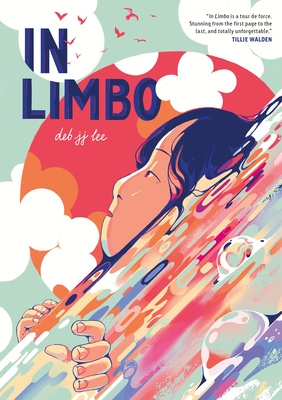
In Limbo
Book Description
Caught in a haunting dance between reality and the unknown, two souls converge in a world where memory and identity blur. As secrets unravel and dreams collide, a gripping journey into the heart of trauma and resilience unfolds. Deb J.J. Lee weaves a tapestry of suspense and emotional turmoil, capturing the unyielding strength of connection amidst chaos. Every choice leads deeper into the shadows, where the past threatens to eclipse their future. With every twist, the stakes rise, leaving hearts pounding and minds racing. Will they escape the grip of their haunting limbo, or are they destined to be lost forever?
Quick Book Summary
In Limbo by Deb J.J. Lee is a poignant graphic memoir that intimately navigates the fractured terrain of memory, trauma, and identity. Through evocative artwork and candid storytelling, Lee exposes the struggles of growing up between cultures, wrestling with mental health challenges, and seeking belonging amidst isolation. Blending past and present in a haunting narrative, the book unfolds as dreams and reality intermingle, blurring the boundaries between what is remembered and what is felt. As the protagonist faces familial expectations, racism, and internalized pain, Lee details the journey toward self-acceptance and hope. In Limbo is a testament to the resilience and complexity of the human spirit, offering a powerful meditation on connection, healing, and reclaiming one's voice.




Summary of Key Ideas
Table of Contents
Navigating Cultural and Familial Expectations
Lee’s memoir opens amid the emotional turbulence of adolescence, where cultural expectations collide with personal identity. Growing up as the child of Korean immigrants in America, the protagonist finds herself in a perpetual state of limbo—caught between two distinct cultures and seeking to meet parental expectations. The narrative explores the complexities of filial piety, academic pressure, and the weight of a family’s hopes, all intensified by the struggle to find her voice against the backdrop of a society that often feels alien. This cultural clash lays the groundwork for her inner turmoil and quest for self-understanding.
Mental Health and Isolation
The graphic novel delves deeply into mental health, depicting the author’s battles with depression, anxiety, and self-doubt. Isolation becomes a defining feature of her teenage years, exacerbated by her inability to communicate her pain to her family, who view mental illness through a different cultural lens. Lee vividly illustrates intrusive thoughts and despair through dreamlike, haunting visuals that capture the intensity and confusion of emotional suffering. The silence surrounding mental health in her community intensifies her sense of loneliness, challenging her reliance on herself to navigate these uncharted waters.
Blurring the Lines Between Memory and Reality
Memory and reality constantly intertwine as Lee recounts her experiences through a combination of stark recall and surreal, symbolic images. The merging of dreams, nightmares, and flashbacks blurs the boundaries of time and perspective, highlighting how trauma can distort personal history. The book uses its graphic format to evoke the intangible spaces of memory—where reality dissolves and the mind becomes a battleground. In doing so, Lee underscores how unresolved pain and buried experiences can trap one in a psychological limbo, unable to fully embrace the present.
The Power of Art and Storytelling for Healing
Throughout her journey, art becomes Lee’s lifeline—a means to process, communicate, and ultimately heal. The act of creation allows her to regain agency over her story and emotions, providing a rare, honest outlet for her pain. Art also serves as a bridge, allowing her to connect with others who share similar struggles and experiences. Through drawing and storytelling, Lee not only finds solace but also invites empathy from the reader, fostering understanding around topics that are often stigmatized or silenced.
Resilience and Finding Belonging
As the story builds, Lee gradually emerges from darkness, discovering resilience through self-compassion, supportive relationships, and a deeper understanding of her heritage and mental health. Connection—both with others and within herself—proves essential in confronting her trauma and dismantling the power of her limbo. By reclaiming her voice and forging authentic relationships, she moves toward healing, offering hope that it is possible to break free from the shadows of the past. The memoir closes with a sense of hard-won belonging and the affirmation that, even amidst chaos, strength and connection can light the way forward.
Download This Summary
Get a free PDF of this summary instantly — no email required.