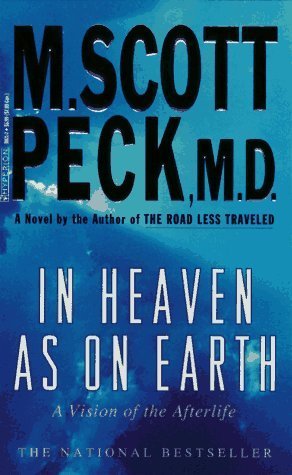
In Heaven as on Earth: A Vision of the Afterlife
Book Description
What if death is merely a doorway to a vibrant new existence? Journey through the profound revelations of M. Scott Peck’s transformative vision of the afterlife, where love reigns supreme and spiritual growth knows no bounds. Engaging the mind and stirring the soul, this compelling exploration intertwines personal stories with enlightening insights, challenging everything you thought you knew about life beyond this world. As the boundaries of heaven and earth blur, the power of connection and forgiveness emerges as the ultimate keys to eternal peace. Are you ready to unlock the mysteries that lie beyond our earthly existence?
Quick Book Summary
"In Heaven as on Earth: A Vision of the Afterlife" by M. Scott Peck is a fictional yet philosophical exploration of what might transpire after death. Through the journey of a recently deceased soul, Peck crafts a portrait of a vibrant afterlife that mirrors the struggles, lessons, and aspirations of earthly existence, but with enhanced opportunities for growth and healing. The novel blends spiritual wisdom with personal storytelling, challenging traditional depictions of heaven and prompting readers to reflect on love, forgiveness, and the continuous journey of the soul. Peck's narrative invites us to consider how our thoughts, actions, and connections shape not just our lives, but also our destinies beyond death, ultimately advocating for compassion and personal transformation as the keys to eternal fulfillment.






Summary of Key Ideas
Table of Contents
Personal Growth Beyond Death
The story centers on Daniel, a man who awakens after his death in a realm that at first seems eerily similar to earth. Instead of finding eternal rest or bliss, Daniel faces an environment that reflects his inner state of being. Here, Peck powerfully illustrates his core idea: that the afterlife is not a fixed paradise or punishment but a continuation of the soul’s journey. Daniel’s surroundings and experiences mirror the issues and emotions he carried from his life, teaching him that personal challenges and lessons do not cease with death, but can be approached with new clarity and purpose.
The Transformative Power of Love
Personal growth forms the backbone of Daniel’s experiences in this new world. He is gently guided toward self-reflection and self-understanding. Through encounters with other souls, Daniel learns that spiritual advancement and healing are possible only through honest acknowledgment of one’s flaws, past actions, and unresolved emotions. Peck presents the afterlife as an environment designed for introspection and learning, rather than judgment. Daniel’s journey underscores that consciousness persists beyond death, and one’s willingness to grow determines the form and quality of their next existence.
Forgiveness and Letting Go
Central to Peck's vision is the transformative power of love. As Daniel moves through his new reality, acts of love and connection with others propel him forward to higher states of being. Love becomes the currency of the afterlife, redeeming and liberating individuals from self-imposed limitations. Through profound encounters, Daniel discovers that true fulfillment comes from embracing unconditional love, both for oneself and for others. Peck weaves in philosophical and psychological insights, suggesting that love’s healing embrace is the secret to transcending suffering both in life and after it ends.
Relationship and Connection in the Afterlife
Forgiveness emerges as another pivotal theme. Daniel comes to realize that moving forward is impossible without forgiving those who have hurt him—and himself for his own misdeeds. Peck illustrates that the afterlife offers a unique perspective; the pain and resentment clung to during earthly life can be let go in this new state, opening doors to liberation and peace. The process of forgiveness is not easy, yet it is depicted as essential for the soul’s evolution. Through Daniel’s struggles, Peck compassionately explores the necessity and freedom found in forgiveness.
Challenging Traditional Views of Heaven
Ultimately, the book challenges conventional religious depictions of heaven as static or unchanging. Peck paints heaven as a dynamic, fluid experience shaped by ongoing relationships and the evolution of the soul. Heaven, in this narrative, reflects the deepest truths of human existence—continuous transformation, interconnectedness, and the primacy of love. By reimagining the afterlife as a place for ongoing growth, “In Heaven as on Earth” encourages readers to live more consciously and compassionately, recognizing that every act of love and understanding resonates beyond the boundaries of earthly life.
Download This Summary
Get a free PDF of this summary instantly — no email required.