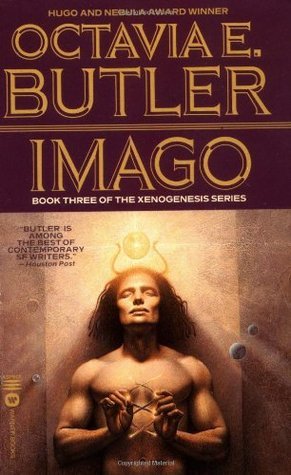
Imago
Book Description
In a world where survival hinges on transformation, a young woman must navigate the treacherous waters of her own evolving identity. As she grapples with her haunting past and the extraordinary powers that come with her metamorphosis, alliances will be forged and betrayals unveiled. Each choice resonates with the weight of destiny, drawing her deeper into a web of conflict between humanity and the unknown. Emotions clash, loyalties are tested, and the very essence of what it means to be human hangs in the balance. Can she embrace her new reality before it consumes her?
Quick Book Summary
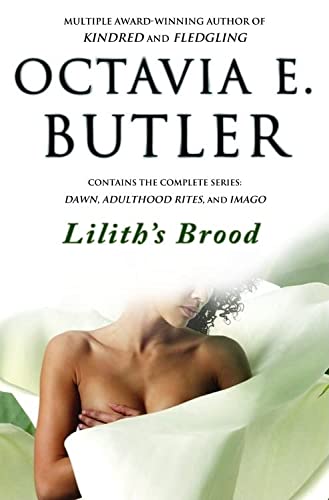
"Imago" by Octavia E. Butler concludes her acclaimed Xenogenesis trilogy, exploring the transformative journey of Jodahs—human, Oankali, and ooloi hybrid. As the first of its kind, Jodahs embodies the union of two species and carries the immense responsibility of shaping the future of both. Struggling with the physical and psychological changes of its metamorphosis, Jodahs faces prejudice and fear from both humans and Oankali, and must navigate a world fraught with misunderstandings, shifting allegiances, and personal doubt. Through Jodahs' story, Butler examines themes of identity, adaptation, and the nature of humanity, asking whether acceptance and coexistence are possible amidst overwhelming differences. The novel ultimately challenges the boundaries of self, family, and community, raising profound questions about change and survival.


Summary of Key Ideas
Table of Contents
Transformation and Identity
As the first ooloi born to a human and Oankali parent, Jodahs stands at the frontier of a new existence. Its body and mind undergo drastic transformations, possessing unique abilities and senses that threaten to alienate it from both human and Oankali societies. Jodahs' physical metamorphosis is not just biological, but also symbolic of its internal struggle to define its identity amid dual heritage. The journey through this painful and unpredictable change forms the emotional core of the novel, underscoring the fear and hope inherent in embracing the unknown.
Adaptation and Otherness
Otherness pervades Jodahs’ experience, both internally and in the world around it. As an ooloi—a genderless facilitator of genetic exchange—Jodahs’s hybrid nature is feared by humans and approached with trepidation by many Oankali, leading to isolation and suspicion. Through interactions with both groups, the story explores societal reactions—ranging from prejudice to curiosity—to those perceived as different. Jodahs' struggle to find acceptance serves as a mirror to real-world issues of marginalization and the anxieties that arise from rapid change in society.
Family and Loyalty
Family bonds lie at the heart of Jodahs' development. Supported by its human mother Lilith and Oankali kin, Jodahs must navigate a delicate web of relationships, balancing loyalty to family with the broader needs of its hybrid identity. As it matures, Jodahs forms powerful new connections with human siblings and potential mates from both species, reshaping concepts of kinship and love. These bonds are continually tested as Jodahs faces choices that will determine the fate of its loved ones and its entire community.
The Struggle for Coexistence
The novel’s larger conflict centers on the challenge of coexistence between humans and Oankali. Centuries after a devastating war, suspicion and resentment linger, making genuine integration elusive. Jodahs’ very existence presents hope and risk—its ability to heal and unite offers a path forward, yet its powers and unfamiliarity also heighten tensions. Through negotiation and personal sacrifice, Jodahs becomes a catalyst for fragile alliances and moments of understanding between species, but not without cost.
Redefining Humanity
Ultimately, "Imago" prompts readers to reconsider what it means to be human—or more than human. Jodahs’ journey interrogates the boundaries of personhood, identity, and acceptance. Butler challenges the notion of fixed selfhood, arguing instead for adaptability and empathy as essential traits for survival. The novel ends on a note of tentative optimism, suggesting that new forms of connection and understanding are possible when individuals and societies are willing to evolve together.
Download This Summary
Get a free PDF of this summary instantly — no email required.