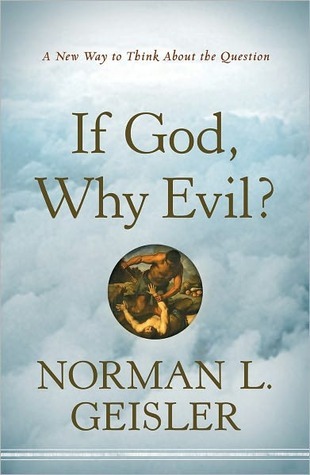
If God, Why Evil?: A New Way to Think About the Question
Book Description
What if the existence of evil is not the final word on God’s nature, but a gateway to deeper understanding? Norman L. Geisler masterfully navigates the turbulent waters of theology, philosophy, and human experience to challenge the age-old question of divine goodness amidst suffering. With piercing insights and illuminating arguments, he invites readers to unravel the complexities of faith and morality in a world rife with injustice. Each page beckons a new revelation, propelling the quest for meaning in the face of hardship. Can faith transform our perspective on pain, or does it perpetuate doubt?
Quick Book Summary
"If God, Why Evil?" by Norman L. Geisler tackles the age-old problem of reconciling the existence of a good, omnipotent God with the pervasive reality of evil in the world. Geisler approaches this dilemma with clarity, blending philosophy, theology, and real-life examples to break down complex ideas for a wide audience. He contends that evil is not a substance created by God but rather a corruption of the good, arising from the misuse of free will. The book addresses various types of evil—moral, natural, and eternal—and offers thoughtful responses to common objections. Ultimately, Geisler suggests that understanding evil’s nature can deepen faith and offer hopeful perspectives on suffering, rather than leading to despair or disbelief.

Summary of Key Ideas
Table of Contents
Redefining Evil and Its Origins
Norman L. Geisler begins by reframing what evil actually is, arguing that evil is not an independent entity but a distortion or corruption of what is good. He likens evil to rot in a tree or rust in metal—something that can only exist where good exists and as a parasite upon it. This foundation allows Geisler to clarify that God did not create evil; rather, He created free creatures capable of choosing good or turning away from it, thus introducing evil through misuse.
The Role of Free Will in Human Suffering
A central concept Geisler explores is the gift of free will. He defends the necessity of free will for genuine love and moral responsibility, positing that the possibility of evil is a necessary risk for true freedom. Without the potential for wrong choices, virtues like courage and compassion would be impossible. The reality of suffering, from this view, is therefore not a flaw in divine design but a consequence of God honoring human freedom and agency.
God’s Goodness and Omnipotence Reconsidered
Geisler then examines the apparent conflict between God’s goodness, omnipotence, and the presence of evil. He delves into philosophical arguments—such as the logical and evidential problems of evil—and contends that the existence of evil does not disprove God’s goodness or power. Instead, it prompts a deeper exploration of God’s purposes, suggesting that suffering can facilitate greater goods, including soul-building, moral growth, and the appreciation of redemption and grace.
Purpose and Meaning Amidst Suffering
Moving from abstract to practical, Geisler applies these principles to real-world suffering and loss. He acknowledges the emotional weight of evil and suffering but encourages readers to embrace faith as a resource rather than a crutch. Rather than fostering despair, he suggests that recognizing meaning and purpose in pain can transform adversity into opportunities for spiritual maturation and hope.
Responding to Skepticism and Strengthening Faith
Finally, Geisler addresses skepticism by engaging with common objections and alternative explanations, such as atheism and naturalism. He presents the Christian worldview as more coherent and hopeful in handling the problem of evil. By offering philosophical and emotional resources, he concludes that confronting evil head-on can serve as a catalyst for deeper faith and a more profound trust in God’s ultimate justice and goodness.
Download This Summary
Get a free PDF of this summary instantly — no email required.