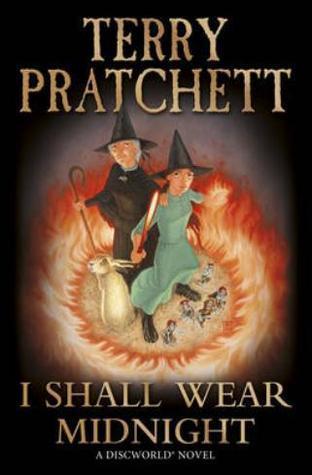
I Shall Wear Midnight
Book Description
A shadow looms over the world of Discworld where the fate of magic and humanity rests in the hands of one determined witch. Tiffany Aching, now a formidable force, finds herself battling a sinister threat that seeks to unravel the very fabric of her existence. With the wild and uncaring forces of fate pushing against her, she must confront eerie specters and challenge age-old prejudices, all while forging unbreakable bonds with the ages-old spirits of her clan. Can she rise to meet the darkness, or will she be consumed by the chaos surrounding her? What price will she pay for the light?
Quick Book Summary
In "I Shall Wear Midnight," Terry Pratchett returns to Discworld with Tiffany Aching, now the official witch of the Chalk. As Tiffany faces the everyday hardships of tending to her people, a darker force emerges: the Cunning Man, an ancient, hate-fueled spirit intent on destroying witches and sowing discord. Amid suspicion, prejudice, and mounting fear, Tiffany stands as the community's protector, but also its scapegoat. With help from the hilarious and loyal Nac Mac Feegle, an unlikely alliance with the Baron’s son, and the wisdom passed down from past witches, Tiffany must navigate anger, grief, and the true meaning of witchcraft. Facing moral dilemmas and personal trials, she discovers the courage and compassion required to fight not just external threats, but the internal darkness every community and individual may harbor.



Summary of Key Ideas
Table of Contents
Confronting Prejudice and Fear
Tiffany Aching's journey in "I Shall Wear Midnight" begins with her securely established as the witch of the Chalk, responsible for the well-being of her people. Everyday duties include caring for the sick, comforting the grieving, and solving practical problems. However, these tasks are unglamorous and often misunderstood by the community, setting the stage for the deep-seated suspicion and prejudice against witches to resurface. These suspicions erupt into outright hostility when the magical and menacing entity known as the Cunning Man arrives, fueling paranoia and hatred.
The Burdens and Power of Witchcraft
The Cunning Man is a spectral embodiment of bigotry and malice, a force that infects communities and individuals, turning even friends and family against witches. As the Cunning Man’s influence spreads, Tiffany becomes the focal point of suspicion, accused of unspeakable acts. This growing antagonism challenges Tiffany’s resolve, testing her resilience in the face of both supernatural threat and human cruelty. The fear and mob mentality provoke crucial questions about the origins of hatred and the courage it takes to stand up against it.
Coming of Age and Personal Growth
Throughout her struggle, Tiffany leans on both her own inner resources and the wisdom of those who have gone before her. She learns from the legacy of Mistress Weatherwax and Granny Aching, drawing strength from their examples of compassion, practicality, and moral clarity. The story explores how the past informs the present, as Tiffany’s inherited knowledge and traditions enable her to counter the Cunning Man’s manipulations. The importance of intergenerational mentorship and honoring one’s roots is a recurring theme, as Tiffany is guided by the voices of older witches and the spirits of her land.
Legacy and Intergenerational Wisdom
Tiffany’s journey is also one of coming of age. She faces love and loss, particularly in her relationship with Preston, the castle guard who aids her. These experiences force her to confront difficult emotions, isolation, and responsibility at a young age. Tiffany’s maturity is reflected in her ability to forgive and to choose empathy over anger. Her evolving understanding of leadership comes not from power, but from serving and caring for others, even as she faces her own doubts and fears in the process.
Community, Compassion, and Leadership
By the end of the novel, Tiffany overcomes the Cunning Man not with force, but through understanding the true nature of evil and refusing to let hatred define her or her community. The story closes with Tiffany fully embracing her role, vowing to wear midnight—a symbol of both her power and the darkness she must face. "I Shall Wear Midnight" is thus a meditation on the challenges of adulthood, the necessity of compassion in the fight against fear, and the vital connection between individual integrity and communal well-being.
Download This Summary
Get a free PDF of this summary instantly — no email required.