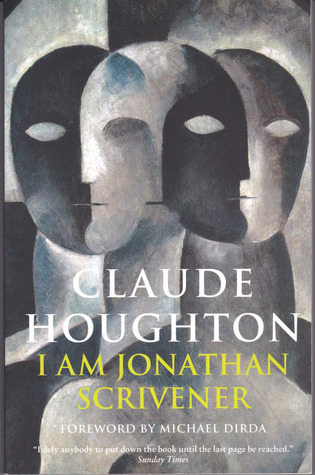
I Am Jonathan Scrivener
Book Description
He haunts the pages of his own life, desperate to escape a relentless cycle of despair. Jonathan Scrivener, a tormented soul imprisoned by his own thoughts, grapples with love lost and dreams shattered. As he navigates the treacherous landscape of his existence, the boundaries of reality blur, unleashing a whirlwind of gripping introspection and haunting encounters. Every turn reveals deeper shadows and unspoken desires, challenging him to confront the most profound truths hidden within. Can he transcend the ghosts of his past, or will they claim him forever? The stakes are high, and the clock is ticking—what will he discover about the man he wishes to be?
Quick Book Summary
"I Am Jonathan Scrivener" by Claude Houghton is a psychological mystery novel that explores the enigmatic figure of Jonathan Scrivener through the perspectives of those who knew him, yet never truly met him. The story unfolds through Lionel Heseltine, who, upon accepting a position as Scrivener’s secretary, attempts to unravel the complex identity, desires, and motivations of his elusive employer. Through interactions with a colorful cast of characters—each offering conflicting accounts of Scrivener’s character—Heseltine embarks on a journey of self-discovery, grappling with themes of identity, obsession, and the human desire for connection. The narrative blurs the boundaries of reality and perception, ultimately reflecting on the nature of self and the haunting persistence of memory and desire.





Summary of Key Ideas
Table of Contents
The Search for Identity and Meaning
The novel centers on Lionel Heseltine, who, amidst personal turmoil, responds to an advertisement seeking a secretary for the mysterious Jonathan Scrivener. Upon arrival, Heseltine discovers Scrivener is absent—replaced only by letters and a circle of eccentric acquaintances. Each character claims to know Scrivener intimately, but their recollections are wildly contradictory, forming a fragmented portrait that confounds Heseltine and the reader alike. The book immediately immerses us in the search for Scrivener and, ultimately, for meaning itself.
The Unreliability of Perception
Through the stories and perspectives of Scrivener’s friends, Houghton explores the elusive nature of identity. Is Scrivener the tormented soul his former lover describes or the cold intellectual painted by another? The shifting narratives reflect the untrustworthiness of memory and perception. Heseltine’s efforts to piece together Scrivener’s true nature mirror his inward journey to understand his own motivations and desires, drawing the reader into questions of how we construct—or fail to construct—our sense of self.
Isolation and the Human Condition
As Heseltine interacts with Scrivener’s circle, profound themes of isolation and the yearning for connection are evoked. Each character reveals a different dimension of pain, longing, or regret, exposing the universal struggle to escape loneliness and find significance. Scrivener himself emerges as both a victim and manipulator of these desires, lingering like a specter, shaping others’ lives through his absence as much as through his presence.
The Influence of Memory and Desire
Desire and memory thread through the narrative, transforming reality for each character. For Heseltine, Scrivener becomes an obsession—a projection of his own fears and hopes. This obsession is mirrored in the way others speak of Scrivener, each developing a dependence or fixation. The boundaries between fact and fiction, dream and reality, begin to dissolve as characters seek redemption, love, or understanding through their ghostly connection to Scrivener.
Obsession and the Quest for Connection
By the story’s end, the quest for Jonathan Scrivener becomes a metaphor for the search for meaning within the self. Houghton suggests that identity is not a fixed reality, but a mosaic formed by the memories and desires of others, and by the stories we tell ourselves. The reader is left to ponder the real identity—not just of Scrivener, but of Heseltine and, more broadly, of any individual caught in the web of longing, regret, and the relentless pursuit of understanding.
Download This Summary
Get a free PDF of this summary instantly — no email required.