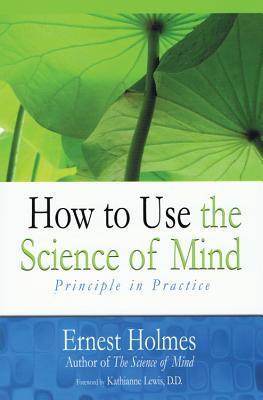
How to Use the Science of Mind: Principle in Practice
Book Description
Unlock the door to a transformative existence where thoughts shape reality and the impossible becomes possible. With "How to Use the Science of Mind: Principle in Practice," explore the profound principles that fuse psychology, spirituality, and the art of living. Experience a journey of self-discovery as timeless wisdom meets practical application, guiding the mind to harness its innate power and manifest dreams into reality. Each chapter reveals strategies to cultivate joy, abundance, and resilience in the face of life's challenges. Are you ready to challenge the limits of your mind and unleash the extraordinary life waiting for you?
Quick Book Summary
"How to Use the Science of Mind: Principle in Practice" by Ernest Shurtleff Holmes provides a practical roadmap for readers to understand and apply the core tenets of the Science of Mind philosophy. Holmes emphasizes that our thoughts are powerful creative forces, shaping our experiences and reality. Through a blend of metaphysics, spirituality, and psychology, the book demonstrates how aligning conscious and subconscious beliefs with universal spiritual principles can foster positive transformation. Readers are offered tools and exercises to develop mental discipline, cultivate joy, and manifest abundance. Holmes's approach invites anyone to harness the innate potential of their mind, overcome limiting beliefs, and practice spiritual mindfulness to lead a more fulfilled, resilient, and purposeful life.




Summary of Key Ideas
Table of Contents
Harnessing the Creative Power of Thought
The book begins by introducing the foundational concept that thought is creative—our beliefs and mental attitudes directly influence our realities. Holmes asserts that each individual has access to a limitless, universal mind that acts upon their intentions. This idea that consciousness is causative forms the philosophical core, encouraging readers to take responsibility for their thoughts and, consequently, their life outcomes. The narrative weaves in both spiritual and psychological insights, illustrating the symbiotic relationship between what we hold in mind and what we experience in the world.
Aligning with Universal Spiritual Principles
Holmes describes how aligning one's thinking with universal spiritual laws brings greater harmony and fulfillment. He underscores the importance of recognizing a unifying divine presence in all things. By attuning to these spiritual principles—such as love, wholeness, and abundance—individuals can transcend ego-based limitations and participate more fully in the creative process. The practice of affirmations, visualization, and meditation grounds these ideas in everyday life, helping readers bridge abstract principles with tangible actions.
Transforming Limiting Beliefs and Patterns
Transforming negative patterns and limiting beliefs is a recurring theme. Holmes provides guidance on identifying subconscious obstacles and gently replacing them with empowering, constructive thoughts. He explains how habitual negativity, fear, or doubt can impede manifestation, but with conscious practice, these patterns can be reconditioned. The book details exercises for self-reflection, mental rehearsal, and emotional healing, emphasizing persistence and self-compassion as essential to the process of personal change.
Practical Tools for Manifestation and Mental Discipline
The text is replete with practical tools: Holmes advocates for daily spiritual practice, mindful intention setting, and gratitude as mechanisms to maintain mental discipline and focus. Techniques such as creative visualization and affirmative prayer are framed as ways to align with higher principles and attract desired outcomes. Holmes insists on the importance of consistency, patience, and trust in the process—as individuals implant new beliefs, the outer world gradually shifts to reflect these inner changes.
Cultivating Joy, Abundance, and Resilience
Finally, Holmes highlights the consequences of fully integrating these teachings—greater joy, abundance, and resilience become attainable realities. He reassures readers that the Science of Mind is not about denying difficulty, but cultivating inner strength and spiritual poise to meet life's challenges. The book closes by illuminating the ongoing journey of self-discovery and transformation, inviting practitioners to embrace their creative power and contribute positively to the world.
Download This Summary
Get a free PDF of this summary instantly — no email required.