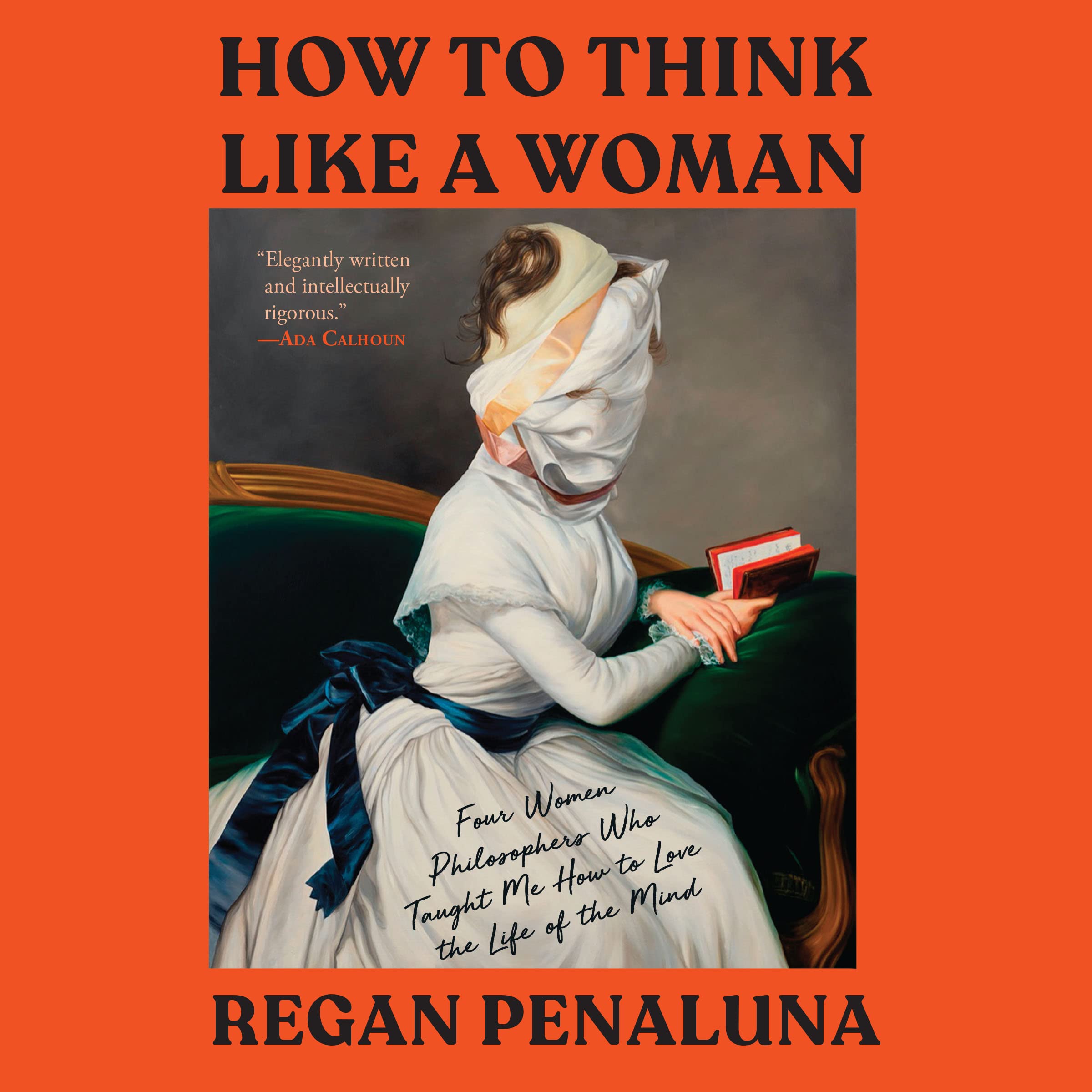
How to Think Like a Woman: Four Women Philosophers Who Taught Me How to Love the Life of the Mind
Book Description
What if the key to unlocking your intellectual potential lies in the wisdom of women who dared to challenge convention? In "How to Think Like a Woman," Regan Penaluna invites readers on an inspiring journey through the lives and philosophies of four groundbreaking thinkers, from Simone de Beauvoir to Hannah Arendt. With each page, the narrative unfolds like a captivating film, exploring the power of thought, the beauty of inquiry, and the transformative nature of philosophy. This is not just a celebration of intellect but an intimate call to embrace curiosity and passion. Are you ready to change the way you perceive the world?
Quick Book Summary
"How to Think Like a Woman" by Regan Penaluna blends philosophy, feminism, and memoir to explore the often-overlooked intellectual legacies of four extraordinary women philosophers: Mary Astell, Damaris Masham, Mary Wollstonecraft, and Simone de Beauvoir. Through Penaluna’s personal reflections and historical research, the book delves into how these women pushed against the rigid structures of their times and forged unique ways of thinking about freedom, autonomy, and curiosity. Penaluna interweaves her own journey—navigating academia and confronting biases—alongside their stories, illuminating the modern relevance of their philosophical courage. The narrative celebrates curiosity and skepticism, showing how embracing these qualities can transform not just the way we think, but how we love ourselves, others, and the world of ideas. It is both a tribute to women philosophers and an invitation to live more intellectually vibrant lives.





Summary of Key Ideas
Table of Contents
Embracing Intellectual Rebellion in a Male-Dominated World
Penaluna opens her book by outlining the limitations historically imposed on women’s intellect and ambition. By examining the deeply embedded cultural prejudices that shaped (and often stunted) women’s philosophical pursuits, she establishes the immense significance of figures like Mary Astell, Damaris Masham, Mary Wollstonecraft, and Simone de Beauvoir. Their resistance to patriarchal constraints was not just social or political—it was rooted in their rigorous devotion to critical thought. Penaluna frames their lives as both cautionary tales and trailblazing examples, inviting readers to consider what happens when intellectual curiosity meets systemic resistance.
The Transformative Role of Curiosity and Skepticism
Curiosity and skepticism are central to the book’s exploration of philosophy as a lived practice. Penaluna illustrates how each featured philosopher wielded these attributes as tools for liberation. Whether it was Wollstonecraft’s critique of superficial morality or de Beauvoir’s existential interrogation of freedom, they exemplified intellectual fearlessness. Penaluna weaves her own story—a woman negotiating academic philosophy’s male-dominated spaces—into this analysis, demonstrating how skepticism toward norms can be a wellspring of personal and philosophical power.
Personal Identity and the Life of the Mind
Identity, for Penaluna and her subjects, is intimately bound to the life of the mind. There’s a recurring theme: thinking is itself a mode of self-realization, not just an abstract exercise. The book draws parallels between the authors’ internal struggles and their public philosophical work, showing how the courage to articulate—and insist on—one’s own experience forms the basis of authentic philosophical inquiry. Penaluna’s memoiristic approach allows her to bridge the gap between historical figures and contemporary readers, making the philosophers’ revelations feel urgent and accessible.
The Search for Freedom and Autonomy
Freedom and autonomy are persistent threads, both in the featured philosophers’ original texts and in Penaluna’s commentary. The book highlights the ways these thinkers expanded traditional notions of freedom, grounding liberty not in mere independence but in the cultivation of one’s mind and the active questioning of received wisdom. Penaluna’s personal narrative—marked by professional and existential challenges—echoes the ongoing struggle for meaningful autonomy, especially for women challenging established intellectual hierarchies.
The Ongoing Relevance of Women Philosophers
Finally, Penaluna underscores the vital contemporary relevance of these women philosophers. Rather than confining them to the past, she demonstrates how their insights challenge ongoing biases in academia and society. The call to embrace philosophy as a passionate, transformative engagement with the world is not just historical, but deeply practical and personal. The book ends as an invitation: all readers, regardless of background, are urged to pursue intellectual inquiry with courage, curiosity, and love for the life of the mind.
Download This Summary
Get a free PDF of this summary instantly — no email required.