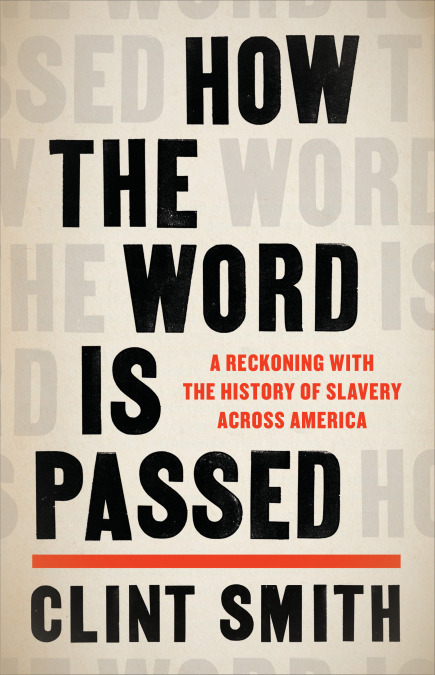
How the Word Is Passed: A Reckoning with the History of Slavery Across America
Book Description
What stories linger in the shadows of America’s monuments? In "How the Word Is Passed," Clint Smith embarks on a profound journey, unveiling the hidden truths of slavery woven into the nation’s fabric. Each location tells a tale of pain and perseverance—from historic plantations to modern memorials—inviting a reckoning with the past. With striking narratives and powerful insights, Smith illustrates how history shapes present realities, challenging us to confront uncomfortable truths. As society grapples with its legacy, one question looms: how will we acknowledge the past to forge a more just future?
Quick Book Summary
"How the Word Is Passed" by Clint Smith is a poignant exploration of how the legacy of slavery is memorialized and remembered across the United States. Smith travels to historic sites, from plantations and prisons to cities and cemeteries, uncovering the stories often omitted from mainstream narratives. Through personal accounts, interviews, and keen observations, he reveals how deeply slavery's history permeates American identity and how collective memory influences present-day discourse on race. The book highlights not just the atrocities and enduring impact of slavery, but also the power of truth-telling and reckoning in the pursuit of justice. Smith challenges readers to confront uncomfortable realities, suggesting that honest engagement with the past is crucial for societal healing and progress.

Summary of Key Ideas
Table of Contents
How Historical Memory Shapes Identity
Clint Smith’s exploration begins by examining how collective memory shapes American identity. He visits sites laden with the history of slavery, such as Monticello, Whitney Plantation, and Angola Prison, each of which tells a different story about how the past is acknowledged or ignored. These visits illuminate the varying degrees to which truth, myth, and silence intertwine in public memory, influencing how Americans understand their nation’s origins and racial dynamics.
Confronting Myths and Silences About Slavery
Smith confronts persistent myths and omissions surrounding slavery. He dialogues with tour guides, descendants of enslaved people, and fellow visitors to unpack how certain narratives are prioritized while others are suppressed. The discomfort of confronting these truths brings to light the ways in which denial and selective remembrance have permitted injustices to echo across generations, shaping contemporary attitudes toward race and inequality.
The Importance of Place in Remembering History
The geography of remembrance—the physical spaces where history is confronted or concealed—plays a central role in Smith's investigation. Each site becomes an entry point into the contested terrain of memory. For instance, at Confederate cemeteries or tourist plantations, the stories presented (or avoided) reveal ongoing battles over which parts of history are deemed worth remembering and which are purposely forgotten.
Personal and Collective Reckoning with the Past
Smith interweaves personal reflection with collective narratives, illustrating how reckoning with the past is both an individual and societal process. His interactions and emotional responses underscore the human cost of historical erasure. Through storytelling, he demonstrates that genuine reckoning involves acknowledging pain, dismantling myths, and listening to voices long silenced by mainstream history.
The Role of Public Memory in Social Justice
Ultimately, Smith argues that engaging honestly with the nation’s legacy of slavery is essential to achieving social justice. The way America remembers or forgets shapes current realities, from policy debates to interpersonal relationships. By centering truth and empathy, Smith offers hope that confronting the wounds of the past lays the groundwork for a more equitable future, urging readers to participate in the ongoing work of remembrance and justice.
Download This Summary
Get a free PDF of this summary instantly — no email required.