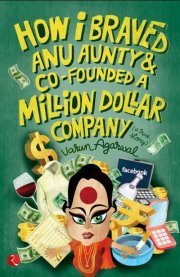
How I Braved Anu Aunty & Co-Founded A Million Dollar Company
Book Description
When an unassuming young man faces the relentless pressure of tradition and the infamous Anu Aunty, he embarks on a wild ride that defies every stereotype. Armed with nothing but an innovative idea and a fierce determination, Varun Agarwal navigates the chaotic world of entrepreneurship, encountering laughter, heartache, and unexpected allies along the way. As he transforms his dream into a million-dollar company, the stakes soar higher with each setback and victory. Will he triumph against all odds, or will the weight of expectations shatter his aspirations? Dive into this inspiring tale of grit, friendship, and rebellion. What does it truly take to follow your passion?
Quick Book Summary
Varun Agarwal's memoir, "How I Braved Anu Aunty & Co-Founded A Million Dollar Company," is an honest, humorous, and inspiring story about defying societal expectations in India to start one's own business. The book chronicles Varun's journey from being a typical engineering graduate, pressured by family and tradition to pursue a stable career, to the ambitious co-founder of Alma Mater, a successful merchandising company. Throughout the journey, Varun deals with the ridicule and skepticism embodied by "Anu Aunty," the nosy neighbor who symbolizes conformity and doubt. With the support of friends and an unwavering belief in his dream, he overcomes setbacks, learns valuable lessons about business, and ultimately proves that passion and persistence can lead to success against all odds.





Summary of Key Ideas
Table of Contents
Challenging Social and Parental Expectations
Varun Agarwal’s story begins with the quintessential pressure faced by Indian youth: parental and societal insistence on pursuing stable careers like engineering or medicine. His ambitions to start a business are constantly challenged by his mother and the disapproving Anu Aunty, who embodies conservative views about success and security. Throughout the book, Anu Aunty becomes a comic yet formidable symbol of societal resistance to entrepreneurship, often serving as Varun’s biggest skeptic and unintentional motivator.
The Entrepreneurial Journey: From Idea to Execution
Spurred by his frustration with routine and a desire for something more, Varun conceives the idea for Alma Mater, a merchandise company targeting schools and colleges across India. Despite limited resources and no business background, he and his friend Rohn team up, pooling their savings and leveraging their skills. The formation of Alma Mater is marked by late-night brainstorming sessions, cold-calling vendors, and learning on the job, exemplifying the improvisational spirit necessary for first-time entrepreneurs.
The Power of Friendship and Support Networks
Key to Varun’s journey is the steadfast support of his friend Rohn. Their camaraderie balances the rollercoaster of setbacks—such as vendor issues, cash crunches, and skepticism from those around them. Friends serve as sounding boards, partners, and emotional anchors. Even as failures abound, their shared belief in their mission keeps them moving forward, embodying the theme that strong support networks are vital in entrepreneurial ventures.
Embracing Failure and Learning from Setbacks
Varun’s entrepreneurial path is lined with failures, rejections, and moments of self-doubt. Each setback—from technical glitches to delayed orders—forces him to learn quickly, adapt, and persist. These failures become essential learning experiences, teaching lessons in resilience, negotiation, and resourcefulness. The story deftly portrays how embracing failure and extracting lessons from each obstacle is a crucial ingredient for long-term success.
Chasing Passion Over Conventional Careers
In the end, Varun’s journey is not just about co-founding a successful company, but about following his passion in the face of overwhelming odds. His triumph is proof that it’s possible to carve one’s own path even amidst pressure to conform. The book serves as an anthem for young dreamers everywhere: pursue your ambitions wholeheartedly, lean on your tribe, and let doubters like Anu Aunty fuel, rather than hinder, your resolve.
Download This Summary
Get a free PDF of this summary instantly — no email required.