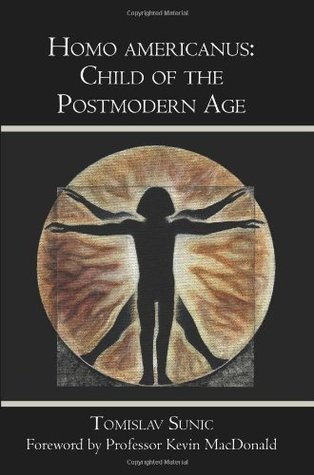
Homo americanus: Child of the Postmodern Age
Book Description
In a world where identity is a canvas painted with the colors of consumerism and virtual interaction, one must ask: what does it mean to be truly human? Tomislav Sunić’s 'Homo americanus: Child of the Postmodern Age' delves deep into the psyche of modern America, exploring the collision of cultures, the erosion of traditional values, and the search for meaning amidst the chaos. With incisive clarity, Sunić unveils the paradoxes of freedom and conformity, sparking a compelling dialogue on identity in the dizzying age of technology. Can the essence of humanity survive the relentless tide of change?
Quick Book Summary
"Homo americanus: Child of the Postmodern Age" by Tomislav Sunić examines the transformation of the American identity in the context of postmodernism, highlighting the impact of consumerism, technological change, and multiculturalism on society. Sunić analyzes how traditional values have eroded, replaced by the commodification of human experience and a growing sense of existential disconnection. The book critiques the ways that virtual interactions and material pursuits have come to define meaning, suggesting that the 'American way of life' has lost its grounding in genuine cultural roots. Through probing questions about freedom, conformity, and the survival of human essence, Sunić engages readers in a discussion about what it means to be authentically human in an era marked by constant flux and ideological contradictions.



Summary of Key Ideas
Table of Contents
The Erosion of Traditional Values
America's traditional value systems, once rooted in shared religious, cultural, and familial norms, have seen significant erosion in the postmodern era. Sunić argues that the fracturing of these foundations leaves individuals unmoored, searching for anchors in a world that increasingly prizes novelty over continuity. The book traces how a collective sense of purpose has been supplanted by a fragmented plurality of lifestyles and beliefs, each competing for legitimacy amid a loss of common cultural narratives.
Consumerism and the Commodification of Identity
The rise of consumerism is presented as a defining feature of the modern American psyche. Sunić explores how identity and personal worth have become intertwined with material possessions and branding. As purchasing choices substitute for deeper forms of self-expression, Americans are encouraged to seek fulfillment through endless consumption. This commodification of the self, Sunić asserts, reduces meaning to transactional experiences, undermining more enduring forms of belonging and satisfaction.
Multiculturalism and the Crisis of Meaning
Multiculturalism, once heralded as a pathway to inclusivity and enrichment, is critiqued for contributing to a growing crisis of meaning. Sunić suggests that, in the absence of a unifying cultural core, the United States experiences a diffusion of identity. While diversity offers new possibilities, he contends that it can also dilute shared values, leaving individuals in a state of existential uncertainty about what truly binds them together as a society.
The Paradox of Freedom and Conformity
One of the book’s central inquiries is the paradoxical relationship between freedom and conformity: while Americans pride themselves on individual liberty, Sunić observes widespread pressures to conform to prevailing trends and norms. The superficial abundance of choices masks deeper levels of standardization and groupthink. The search for authenticity, he concludes, is complicated by the tension between self-determination and the invisible influences of the marketplace and ideological orthodoxy.
Technology and Virtual Reality's Impact on Society
Finally, Sunić addresses the impact of technology and virtual interaction on social and psychological well-being. As digital realities supplant face-to-face community, Americans are confronted with new forms of alienation. The allure of virtual spaces promises connectivity but often produces isolation and anxiety. Sunić’s critique centers on the difficulty of forging authentic human relationships and identities in a society flooded by images and information, challenging readers to consider how the essence of humanity can endure in such an environment.
Download This Summary
Get a free PDF of this summary instantly — no email required.