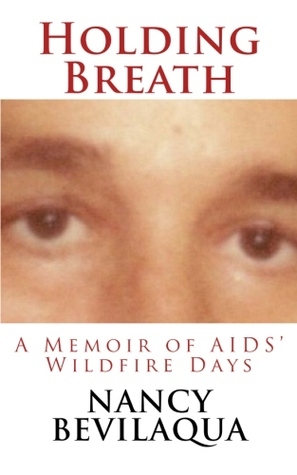
Holding Breath: A Memoir of AIDS' Wildfire Days
Book Description
A life hangs in the balance amidst the chaos of an epidemic that reshaped a generation. In "Holding Breath: A Memoir of AIDS Wildfire Days," Nancy Bevilaqua delves deep into the heart of a pivotal time, capturing the raw emotions of love, loss, and resilience. Each page ignites with urgency as relationships intertwine in a desperate fight against a relentless foe. The fragility of life collides with profound bravery, and the echoes of laughter and tears reverberate in the shadows of the past. What does it truly mean to live fully when faced with the specter of death?
Quick Book Summary
"Holding Breath: A Memoir of AIDS’ Wildfire Days" by Nancy Bevilaqua is a poignant reflection on the AIDS crisis of the 1980s and 1990s, told through the author’s personal lens. She recounts her journey through a landscape fundamentally altered by a relentless epidemic, exploring how fear, uncertainty, and government inaction collided with compassion, activism, and the urgent need for human connection. Bevilaqua captures the highs and lows of loving and losing in a world overshadowed by loss, chronicling the resilience of a generation that persisted in loving, fighting, and finding hope. Through intimate stories and vivid memories, she memorializes friends, lovers, and the community that sustained her, asking what it means to truly live in the face of relentless death.





Summary of Key Ideas
Table of Contents
Love and Loss Amidst Epidemic
Bevilaqua plunges readers into the uncertainty and heartbreak of the AIDS epidemic, painting a vivid portrait of her social circles fractured by illness and loss. The memoir opens at the fever pitch of the crisis, with young lives upended and futures cut short. She chronicles the overwhelming sense of fear that permeated daily existence—fear of the unknown, of involuntary goodbyes, and of her own vulnerability. Through raw, human stories, the memoir highlights the profound love that persisted even as death surrounded her. Each relationship, romantic or platonic, becomes a testament to the resilience necessary to forge ahead.
Resilience and Community Support
In the midst of widespread tragedy, communities forged unexpected bonds and networks of care. The book details the informal support systems that emerged—groups of friends, partners, and activists standing in for families who, in some cases, retreated in stigma or fear. Bevilaqua shows the resilience required to give and receive help, explore unconventional families, and redefine what it meant to nurture one another. Amidst bleak surroundings, acts of everyday heroism and kindness become a powerful line of defense against despair, reinforcing the sense that community is both a refuge and a vehicle for survival.
The Power of Memory and Remembrance
Memory and remembrance anchor Bevilaqua’s journey. The memoir is both a personal act of mourning and a public homage; she shares intimate recollections, salvaging moments from oblivion as an act of defiance. There is deep reverence for those lost to AIDS—friends whose faces linger in memory, whose laughter and impact reverberate beyond their physical absence. By memorializing their creative spirits and shared joys, Bevilaqua not only sustains their meaning but confronts cultural amnesia, urging readers to witness and remember.
Activism and the Fight for Awareness
The urgency of activism permeates the narrative, as Bevilaqua and her peers shoulder the responsibility of demanding recognition, treatment, and compassionate policies. She recounts protest marches and the tireless work of grassroots organizations, placing herself among those who refused to be silent. This activism was born of necessity and love—a desperate response to political apathy and social prejudice. The memoir illustrates how rallying together for awareness and action was not just about survival, but about affirming dignity and asserting the right to be seen.
Embracing Life at the Edge of Mortality
As the era’s darkest moments pass, Bevilaqua reflects on mortality, lingering uncertainty, and the courage to keep living amidst devastation. She asks what it means to live fully with death always looming—finding meaning anew in everyday joys, simple acts of defiance, and embracing vulnerability. Her memoir does not promise closure or triumph, but honors the complexity of human experience at the edge of mortality. Ultimately, it is a celebration of courage, love, and the pursuit of hope despite impossible odds.
Download This Summary
Get a free PDF of this summary instantly — no email required.