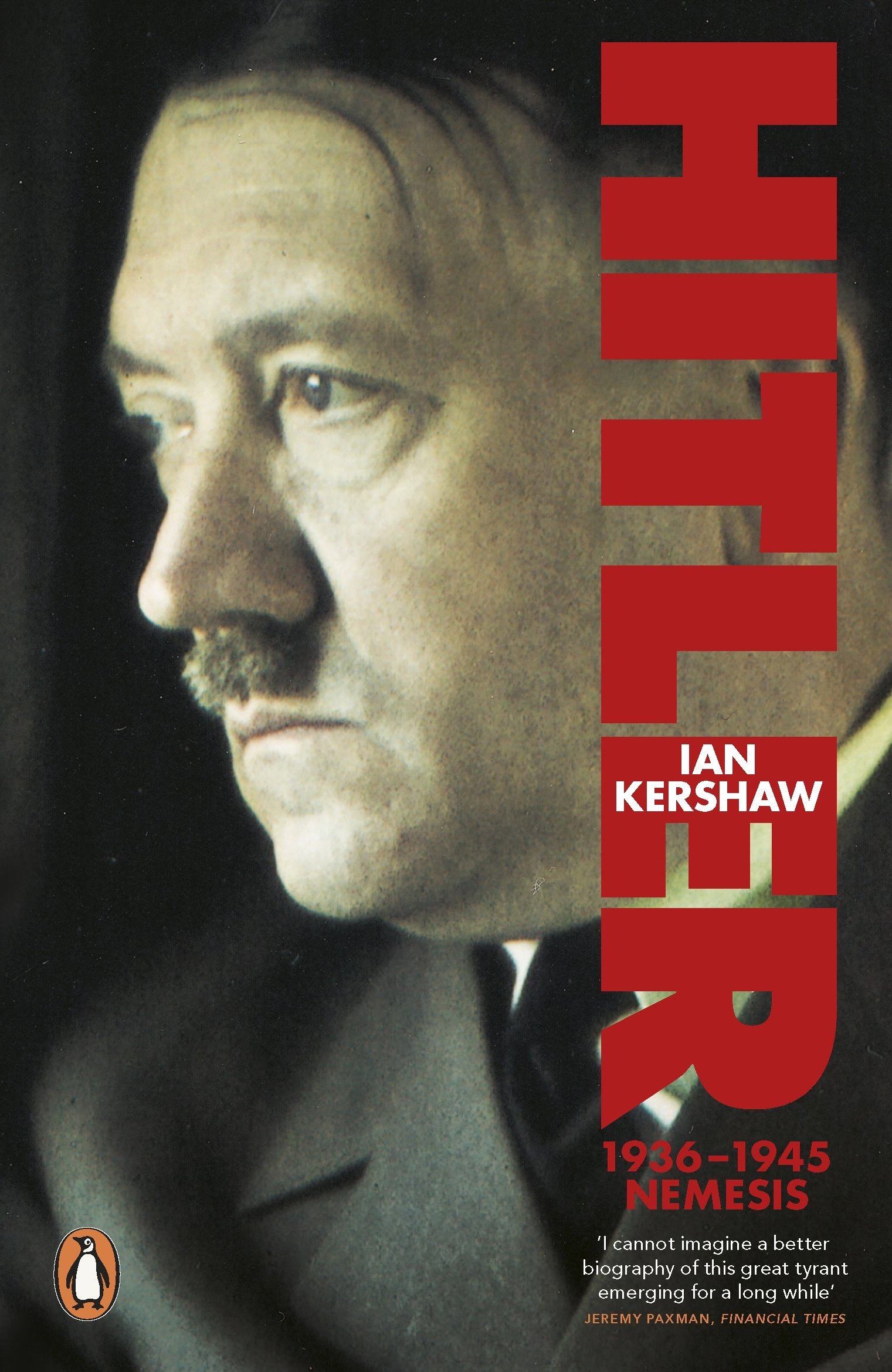
Hitler 1936-1945: Nemesis
Book Description
Beneath the shadows of a crumbling Reich, Adolf Hitler's final years unfold in a gripping saga of ambition and despair. As the Third Reich spirals toward collapse, alliances shatter, betrayal lurks at every corner, and the world teeters on the brink of destruction. Ian Kershaw masterfully chronicles a tumultuous era, revealing the relentless drive of a dictator clinging to power amidst chaos. This is a story of hubris, fanaticism, and the haunting specter of miscalculation. As the clock ticks down, can one man's delusions alter the course of history, or will nemesis finally claim its due?
Quick Book Summary
Ian Kershaw’s "Hitler 1936-1945: Nemesis" offers an incisive exploration of Adolf Hitler’s final years and the escalating catastrophe of the Nazi regime. Tracing the period from the height of Nazi power through its catastrophic decline, Kershaw recounts Hitler’s ambitions, strategic miscalculations, and the fanaticism that steered Europe into the abyss. The book examines how Hitler’s charismatic leadership merged with a cult of personality, driving Germany inexorably towards war and eventual ruin. Detailing the disintegration of alliances, the paranoia and betrayals within the Nazi ranks, and the growing resistance both inside and outside Germany, Kershaw delivers a poignant study of power, delusion, and downfall. Through meticulous research, "Nemesis" presents a chilling portrait of a dictator obsessed with destiny, whose refusal to accept reality culminated in immense suffering and the ultimate nemesis of defeat.




Summary of Key Ideas
Table of Contents
Hitler’s Leadership Style and Cult of Personality
Kershaw opens by analyzing how Hitler sustained absolute power through a potent mix of personal charisma, myth-making, and the careful cultivation of loyalty. He highlights the dictator’s exceptional ability to manipulate both his inner circle and the broader Nazi state apparatus. Hitler’s public persona fed a fanatic devotion, fostering an environment in which dissent was minimized and critical judgment suppressed. This cult of personality created an echo chamber, ensuring decisions—no matter how disastrous—were rarely meaningfully opposed or corrected.
The Descent into Total War and Strategic Failures
The decision to embark on total war is portrayed as a defining moment, shaped by Hitler’s aggressive ambitions and profound miscalculations. Kershaw delves deeply into the initiation and progression of World War II, demonstrating how Hitler’s early military gambits, at first successful, devolved into a series of catastrophic blunders. The brutal campaigns against the Soviet Union and the declaration of war on the United States marked the turning points, as Nazi objectives outstripped practical capabilities, fueling widespread devastation.
Internal Dissension, Resistance, and Betrayals
As the war intensified, cracks within the Nazi regime widened. Kershaw documents how friction among military, political, and bureaucratic elites increasingly undermined the war effort. Paranoia took hold in the upper echelons, leading to purges, betrayals, and even assassination attempts such as the July 1944 plot. Meanwhile, resistance movements—from the German military to civilian networks—grew increasingly desperate but ultimately lacked the power to bring down the regime before its collapse.
The Impact of Ideology and Fanaticism
Ideology and fanaticism were central pillars of both Nazi aggression and ultimate self-destruction. Kershaw details Hitler’s unwavering commitment to racist and expansionist dogma, particularly the obsession with annihilating perceived enemies like Jews and Slavs. This resulted in horrific atrocities and the systematic genocide of millions, while further blinding the leadership to pragmatic alternatives. The ideological rigidity became increasingly divorced from reality, accelerating the regime’s unraveling.
Collapse of the Regime and Aftermath
Kershaw closes the book chronicling the final months of the Third Reich as Allied forces closed in. Hitler’s world shrunk to the confines of his Berlin bunker, his directives increasingly divorced from the war’s stark realities. The collapse was characterized by mass destruction, widespread suffering, and the implosion of Hitler’s inner circle. With Hitler’s suicide and Germany’s surrender, nemesis arrived, leaving behind a devastated continent and enduring questions about fanaticism, leadership, and the destructive potential of totalitarian power.
Download This Summary
Get a free PDF of this summary instantly — no email required.