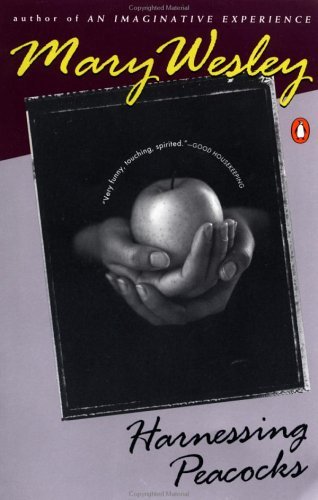
Harnessing Peacocks
Book Description
Beneath the vibrant plumage of dazzling peacocks lies a world teetering on the edge of chaos. In a sleepy English village, secrets fester and relationships unravel, igniting a fierce struggle for love and loyalty. As whispered betrayals surface and old alliances shatter, the characters find themselves ensnared in a web of desire and deception. Each encounter crackles with tension, revealing the beauty and brutality of human connection. With hearts racing and trust hanging by a thread, who will emerge unscathed when the vibrant facade crumbles? Can the allure of the extraordinary save them, or will it lead to their undoing?
Quick Book Summary
"Harnessing Peacocks" by Mary Wesley is a vivid exploration of secret lives and quiet rebellions set against the backdrop of a quintessential English village. At its core is Hebe, a fiercely independent woman who carefully curates her outward appearance while hiding the unconventional truth of her existence. Balancing her life as an unwed mother and discreet companion to wealthy men, Hebe thrives amidst the rigid social structures and expectations surrounding her. Yet, the equilibrium is precarious; as hidden desires and long-held resentments resurface, the village’s veneer of respectability begins to fracture. Through wit, irony, and tender insight, Wesley unravels the tangled web of love, family obligation, and personal identity, asking whether happiness can be found in embracing one’s authentic self despite society’s expectations.






Summary of Key Ideas
Table of Contents
Secrets and Double Lives
The novel follows Hebe, a single mother with a carefully guarded secret: she supports herself and her son by an unusual method, working as a private cook and, discreetly, as a companion to wealthy older men. In the close-knit, judgmental world of the English countryside, Hebe must mask the truth of her livelihood to protect her son and herself from the scrutiny and censure of her conservative family and neighbors. The narrative deftly reveals how secrets can both empower and entrap, as Hebe navigates daily deceptions while striving to maintain dignity and autonomy.
Independence Versus Social Conformity
At the heart of the story lies the conflict between personal independence and the demands of conformity. Hebe’s upbringing was marked by the rigid morality and expectations of her domineering grandmother, who forced her into difficult choices about motherhood and her place in society. Rather than yield to shame or coercion, Hebe carves out a distinctly unconventional path, determined to live on her own terms, even as the concession to secrecy weighs upon her relationships and sense of self.
Family and Unconventional Motherhood
Wesley also probes the meaning of family and motherhood in nontraditional forms. Hebe’s bond with her son is forged in self-reliance and fierce devotion, their relationship unmarred by the typical constraints of status or approval. Yet, her choices reverberate across generations, challenging her relatives’ narrow perceptions and prompting them to confront their own complicity in the pattern of repression and misunderstanding that has defined their family history. Through these tensions, the novel interrogates the true nature of parental love and sacrifice.
Desire, Betrayal, and Loyalty
Desire, longing, and the capacity for betrayal pervade the interconnected lives of the village’s residents. Old wounds and new attractions spark conflicts and shifting allegiances, as the facades that shield each character begin to crack. Wesley uses wit and keen social observation to highlight the absurdities and perils of upholding appearances in a society obsessed with propriety. The result is a tapestry of vibrant personalities struggling with temptation, guilt, and the basic need for acceptance.
Transformation and Self-Acceptance
Ultimately, "Harnessing Peacocks" is a story of transformation and the search for self-acceptance. As secrets come to light and relationships are tested, Hebe and those around her are forced to confront the limitations they have imposed upon themselves and each other. Through acts of courage, vulnerability, and unexpected kindness, the characters learn that happiness lies not in conformity but in the acceptance of imperfect humanity. Wesley’s novel emerges as both a wry social comedy and a compassionate plea for living authentically.
Download This Summary
Get a free PDF of this summary instantly — no email required.