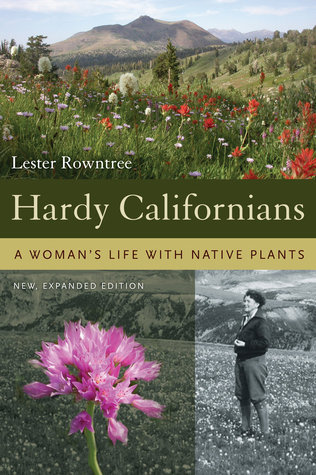
Hardy Californians: A Woman's Life with Native Plants
Book Description
In the sun-drenched landscapes of California, where resilience blooms in the face of adversity, one woman's fervent passion for native plants unfolds like a gripping tale of survival. Lester Rowntree’s evocative narrative dives deep into the enchanting world of flora, revealing how these hardy specimens mirror the strength of the human spirit. Every botanical lesson carries a weighty message about conservation and identity, intertwining the natural with the personal. As the seasons shift and challenges mount, will the legacy of these resilient plants be enough to inspire change in a rapidly transforming world?
Quick Book Summary
"Hardy Californians: A Woman's Life with Native Plants" by Lester Rowntree is a vivid exploration of California’s native plants through the eyes of a passionate self-taught botanist. Merging the artistry of memoir with ecological observation, Rowntree charts her solitary fieldwork travels across California, seeking, cataloging, and experiencing the unique beauty of native flora. The narrative is as much about plants as it is about the resilience and adaptability needed to survive in California’s demanding environments – both for people and plants. Rowntree’s storytelling interweaves deep ecological insights with personal reflection, highlighting the intrinsic connection between the land’s botanical heritage and her own life’s purpose. The book becomes a call for conservation, urging readers to value and protect the natural world’s legacy in the face of change.


Summary of Key Ideas
Table of Contents
The Interdependence of Landscape and Identity
Lester Rowntree’s journey is set against California’s varied landscapes, where she immerses herself in rigorous, solitary fieldwork. Her firsthand observations and vivid descriptions bring the region’s chaparral, deserts, and woodlands to life, emphasizing the intimate relationship between the land and the people who inhabit it. Rowntree’s explorations are meticulous, reflecting not just a quest for knowledge but a deeply personal bond with the earth, shaped by her experiences and challenges as a woman working largely alone in the early twentieth century.
Resilience and Adaptation in Native Flora
The plants themselves are seen as mirrors of endurance and ingenuity, surviving drought, fire, and neglect. Rowntree draws poignant parallels between the hardiness of native flora and the human spirit, highlighting the unique adaptations that enable these species to thrive. Her stories reveal how plants have shaped California’s ecosystem, and how, in turn, the changing land compels both flora and people to adapt or falter. These observations underscore a philosophy of resilience at both the botanical and personal level.
Fieldwork as a Journey of Self-Discovery
Through her narrative, Rowntree delves into the self-discovery that comes from close observation and immersion in the wild. Her connection with native plants fosters a deeper understanding of herself as a woman botanist defying societal conventions. She chronicles not only external discoveries of plant life but internal awakenings—a growing sense of independence and agency that parallels her dedication to botanical exploration.
Conservation, Stewardship, and Legacy
Conservation emerges as a central concern, with Rowntree advocating for the preservation of native species amid the pressures of development and invasive plants. Her appeals are both scientific and emotional: she argues that losing native flora erodes local identity and ecological stability. By documenting and celebrating these hardy survivors, she hopes to inspire a collective responsibility to steward California’s unique natural heritage for future generations.
Ultimately, "Hardy Californians" is a testament to the importance of seeing landscapes as living, interconnected systems. Rowntree’s blend of storytelling, ecological observation, and advocacy provides insights not just into the diversity of California’s plants, but into the deeper meaning of living in harmony with the land. The book closes with a sense of hope tempered by urgency, calling readers to recognize beauty, respect resilience, and act as guardians of the legacy entrusted to them.
Download This Summary
Get a free PDF of this summary instantly — no email required.