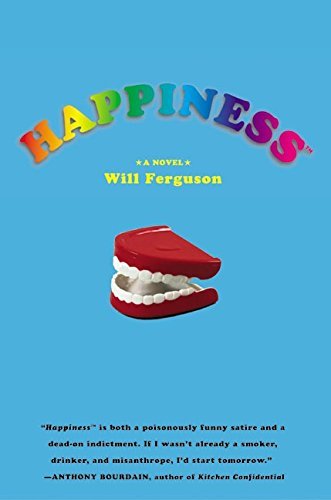
Happiness
Book Description
What if the secret to happiness was buried in the chaos of modern life? In 'Happiness,' Will Ferguson takes readers on a whirlwind journey through the highs and lows of personal fulfillment, intertwining the lives of unforgettable characters as they grapple with love, loss, and the relentless pursuit of joy. Each twist and turn unveils the sharp contrasts between fleeting pleasures and lasting contentment, forcing them to confront their deepest fears and desires. As they navigate a world that often feels designed to bring them down, can they discover what true happiness really means? What happens when the search for joy becomes the ultimate rollercoaster ride?
Quick Book Summary
Happiness by Will Ferguson is a biting, satirical novel that explores the consequences of society's relentless pursuit of happiness. When self-help editor Edwin de Valu unwittingly unleashes a miraculous self-help book called "What I Learned on the Mountain" onto the world, he doesn't anticipate its world-changing impact. The book promises—and delivers—true happiness to anyone who reads it, sending society into mayhem as people abandon their jobs, vices, and ambitions for newfound contentment. Through dark humor and sharp observations, Ferguson critiques consumerism, the publishing industry, and the universal drive for fulfillment. His cast of quirky, flawed characters must navigate a world upended by instant gratification, questioning the true nature of happiness and whether it is attainable—or even desirable.





Summary of Key Ideas
Table of Contents
The Satire of Self-Help Culture
The novel begins with Edwin de Valu, a jaded editor at a publishing company, who is overwhelmed by the constant influx of self-help manuscripts. He stumbles upon a peculiar submission: "What I Learned on the Mountain." Believing it to be just another self-help fad, he publishes it to meet a deadline. Unexpectedly, the book becomes a sensation, offering readers foolproof happiness. The phenomenon spreads rapidly, leaving Edwin at the epicenter of a cultural revolution he never intended to start.
Consequences of Instant Gratification
As society consumes the book, people begin to experience profound contentment. Addicts give up their vices overnight, workaholics resign en masse, and consumer culture starts to collapse. The economy falters as people abandon their material pursuits, causing chaos. While some embrace this era of tranquility, others struggle with the disruption to familiar societal structures. Edwin soon suspects that this relentless happiness may be more curse than blessing, as people's drive and ambition evaporate.
Search for Authentic Fulfillment
Throughout the story, Ferguson satirically highlights the absurdity of the self-help industry and its promise of easy answers. He portrays a society obsessed with shortcuts to well-being, cleverly lampooning the ever-expanding market for self-improvement. By exaggerating these trends into extremes, he reveals the emptiness behind commercialized happiness, underscoring how fragile and unfulfilling instant solutions can be when cut off from genuine human complexities and struggles.
The Chaos of Modern Life
The characters in "Happiness" all wrestle with their own desires and dissatisfactions amidst this upheaval. Edwin becomes increasingly frantic as he witnesses the world losing its drive and chaotic energy. His personal journey becomes a quest to undo what he has set in motion, even as he questions his own ideals about satisfaction and success. Supporting characters—like his wife Jen, frenetic boss May, and an enigmatic figure named Dr. Ming—reflect diverse responses to the book's influence, highlighting the nuanced and often contradictory nature of fulfillment and discontent.
Critique of Consumerism and Ambition
In the end, the novel calls into question whether true happiness is either possible or desirable if stripped of struggle and ambition. Ferguson’s conclusion is as ambiguous as it is thought-provoking, leaving readers to ponder whether happiness is found in comfort and ease or in the tumult, challenge, and unpredictability of modern life. Through its irreverent humor and keen wit, "Happiness" ultimately becomes a satire on society’s endless quest for joy, exposing both the allure and the perils of a happiness found too easily.
Download This Summary
Get a free PDF of this summary instantly — no email required.