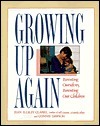
Growing Up Again: Parenting Ourselves, Parenting Our Children
Book Description
What if the key to nurturing your child's potential lies in healing your own past? "Growing Up Again: Parenting Ourselves, Parenting Our Children" invites readers on a transformative journey of self-discovery and empowerment. Jean Illsley Clarke masterfully intertwines personal growth with parenting, revealing how understanding our own childhood experiences can change the way we raise the next generation. Dive into powerful insights and practical strategies that illuminate the path to more compassionate and conscious parenting. Are you ready to break the cycle and rewrite the story of your family's legacy?
Quick Book Summary
"Growing Up Again: Parenting Ourselves, Parenting Our Children" by Jean Illsley Clarke offers a unique perspective on parenting by emphasizing the interconnection between our personal growth and our effectiveness as caregivers. Clarke asserts that in order to nurture our children's development, we must first understand and heal from our own childhood experiences. Through a blend of psychological insight and practical guidance, the book addresses how unresolved issues from the past can influence parenting styles and impact family dynamics. It encourages readers to reflect on their upbringing, identify limiting patterns, and intentionally foster healthier relationships. With clarity and compassion, Clarke provides actionable tools for building self-awareness, breaking negative cycles, and empowering both parents and children to grow into their full potential.



Summary of Key Ideas
Table of Contents
Healing Your Own Inner Child
Jean Illsley Clarke begins by inviting readers to explore the significance of "re-parenting" themselves—examining and nurturing their inner child as a crucial foundation for becoming effective, empathetic parents. She explains how our early experiences shape our beliefs and behaviors, and why unresolved childhood wounds can unconsciously surface in our interactions with our children. By taking steps to heal our own hurts and meet unmet needs, parents can foster both self-compassion and deeper empathy for their children.
Recognizing and Transforming Unhelpful Parenting Patterns
An essential theme of the book is identifying how past scripts and patterns get carried into parenting styles. Clarke encourages readers to reflect on how they were disciplined, praised, or neglected, and to honestly assess which approaches they are unconsciously replicating. The book offers actionable strategies to recognize when old patterns emerge and how to pause, reflect, and choose healthier responses that genuinely support a child’s growth, rather than repeating past mistakes.
Shaping Positive and Secure Relationships
Fostering positive relationships is presented as a cornerstone of both healing and effective parenting. The author emphasizes the importance of nurturing secure attachment, validating feelings, and encouraging open communication. Clarke provides tools and exercises designed to strengthen parent-child connections, reminding readers that emotional safety and trust are critical for resilience and self-esteem. Through practical suggestions, she assists parents in creating environments where children’s needs are met with understanding and patience.
The Role of Emotional Self-Awareness in Parenting
Clarke also highlights the necessity of emotional self-awareness for parents. By tuning into their own feelings, triggers, and reactions, caregivers cultivate greater emotional regulation and model healthy coping mechanisms for their children. The book encourages the development of emotional literacy and outlines concrete ways to practice reflective listening, set appropriate boundaries, and handle emotional conflicts constructively, ultimately creating a calmer, more harmonious household.
Breaking Intergenerational Cycles
Finally, the book addresses the larger project of breaking intergenerational cycles of dysfunction. Clarke reassures readers that it is possible to shift their family’s legacy by making conscious, loving choices—no matter their background or experiences. By healing themselves and growing alongside their children, parents become empowered agents of change, fostering hope and resilience for future generations. The work is presented as ongoing, compassionate, and deeply rewarding for parents and children alike.
Download This Summary
Get a free PDF of this summary instantly — no email required.