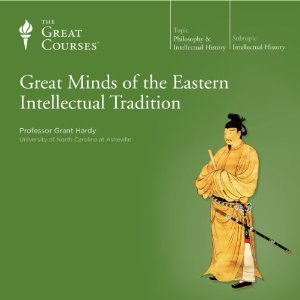
Great Minds of the Eastern Intellectual Tradition
Book Description
Unlock the secrets of the human mind as you journey through the rich tapestry of Eastern philosophy! From the profound insights of Confucianism to the spiritual depths of Buddhism, this exploration unveils the transformative ideas that have shaped cultures for millennia. Witness the clash between duty and desire, wisdom and ignorance, as titans of thought grapple with the essence of existence and the nature of reality. With each page, the wisdom of the past springs to life, igniting a spark of understanding that reverberates in today's world. What revelations await those brave enough to challenge their perspectives?
Quick Book Summary
Great Minds of the Eastern Intellectual Tradition by Grant Hardy is a sweeping exploration of the major thinkers, beliefs, and philosophical systems that have emerged across Asia. Traversing the teachings of Confucius, the spiritual awakening of the Buddha, the logical rigor of Nagarjuna, to the syncretic insights from Chinese, Indian, and Japanese traditions, Hardy reveals how Eastern philosophy has profoundly shaped not only local societies but also global thought. The audiobook delves into the contrasts and convergences between doctrines focusing on harmony, virtue, and enlightenment. Highlighting the enduring relevance of duty, self-cultivation, and interconnectedness, this comprehensive guide invites listeners to reconsider their own worldviews through the lens of ancient wisdom and the dynamic interplay of ideas that have shaped human flourishing for millennia.


Summary of Key Ideas
Table of Contents
The Centrality of Harmony and Social Order
Eastern philosophy is deeply rooted in the pursuit of harmony and social order. Confucianism, one of the most influential traditions, centers on ethical relationships and the cultivation of virtues such as filial piety, righteousness, and humaneness. In societies shaped by Confucian thought, the well-being of the collective is prioritized, and individuals are encouraged to fulfill their social roles responsibly. This focus on harmonious relationships extends to political philosophy, as wise rulers are expected to lead by moral example and cultivate a just, ordered society, integrating both personal ethics and public duty.
Paths to Enlightenment and Liberation
Another central concern of Eastern intellectual traditions is the attainment of enlightenment and liberation from suffering. Buddhism, originating from the insights of the Buddha, confronts the impermanence and unsatisfactoriness of worldly existence. Through practices like meditation and mindfulness, individuals can transcend ignorance and attachments, ultimately achieving nirvana. Similarly, Hindu philosophies in India explore paths of self-realization, including devotion (bhakti), knowledge (jnana), and action (karma). These diverse approaches share the ultimate aim of awakening from delusion and attaining spiritual freedom.
Self-Cultivation and Moral Development
Self-cultivation is a persistent theme, reflected in the emphasis on inner transformation. Daoism, for instance, champions harmony with the natural world and the effortless action of wu wei. In Japan, Zen Buddhism advocates for direct, experiential insight into the nature of reality, often bypassing doctrinal formulations in favor of personal awakening. Across the East, thinkers have stressed the importance of discipline, education, and introspection as means to refine the mind and character, aligning personal conduct with broader ethical and spiritual ideals.
The Interplay of Tradition and Innovation
The evolution of Eastern philosophies demonstrates a dynamic interplay between tradition and innovation. Throughout history, scholars and sages debated, synthesized, and challenged prevailing notions, adapting ideas to fit changing social and political realities. The blending of indigenous beliefs with imported systems, such as the assimilation of Buddhism into Chinese culture, produced rich new schools of thought. This openness to dialogue and reform allowed Eastern traditions to remain relevant and resilient across centuries.
Reconciling Individual Desires with Collective Duty
Finally, Eastern thinkers have consistently grappled with balancing individual desires and collective duties. Philosophies such as Confucianism urge individuals to temper selfish impulses for the good of family and society, while Buddhist and Daoist teachings invite a letting go of egoistic attachments in pursuit of deeper, universal truths. This tension between personal fulfillment and social responsibility continues to resonate, offering powerful insights for navigating the complexities of modern life and forging meaning within interconnected communities.
Download This Summary
Get a free PDF of this summary instantly — no email required.