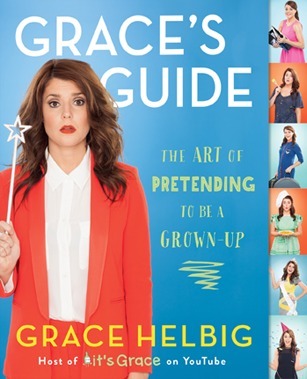
Grace's Guide: The Art of Pretending to Be a Grown-up
Book Description
What does it really mean to be a grown-up? Grace Helbig takes center stage, navigating the chaotic landscape of adulthood with sharp wit and unapologetic humor. From awkward social encounters to the daunting realities of responsibility, this guide is a rollercoaster of relatable experiences that will leave you laughing and reflecting on life’s absurdities. With her signature charm, Grace offers practical advice wrapped in hilarious anecdotes, making the journey toward maturity both entertaining and insightful. Are you ready to embrace the delightful mess of adulting, or will you continue to play pretend?
Quick Book Summary
"Grace's Guide: The Art of Pretending to Be a Grown-up" by Grace Helbig is a quirky, candid, and comedic look at navigating adulthood’s often confusing and awkward landscape. Through personal stories and witty advice, Grace offers readers reassurance that everyone struggles with growing up, and that failing, flailing, and faking your way through is often half the fun. Combining memoir elements with self-help, Grace shares her own embarrassing moments, practical survival tips, and creative solutions for managing friendship, work, romance, and responsibility. Readers are encouraged to approach maturity with humor, patience, and flexibility, knowing that adulthood is about learning to embrace imperfections, accept chaos, and ultimately pretend until you become the grown-up you want to be.




Summary of Key Ideas
Table of Contents
Embracing Awkwardness and Imperfection
In her signature self-deprecating style, Grace Helbig tackles the anxiety-inducing concept of adulthood and reframes it as a process of embracing awkwardness and imperfection. She rejects the idea of flawless maturity, instead highlighting that everyone’s journey is peppered with mistakes, embarrassing encounters, and moments of self-doubt. Readers are encouraged to laugh at their own blunders and understand that perfection isn’t the goal—being authentic is. By sharing her own misadventures and insecurities, Grace normalizes the awkwardness that comes with growing up and empowers readers to accept their quirks without shame.
Surviving Social Situations and Friendships
Navigating social situations can be daunting for anyone, and Grace offers practical, humorous advice to survive everything from parties to networking events. She provides tips for dealing with small talk, making friends as an adult, and handling the sometimes overwhelming pressure to seem put-together. Through relatable anecdotes about her own stumbles, Grace assures readers that it’s okay to be socially awkward and that genuine connections come from being honest rather than trying to impress. Building and maintaining friendships, she suggests, is less about being perfect and more about showing up and supporting each other.
Managing Responsibilities and Adult Life
When it comes to facing the tide of adult responsibilities, Grace tackles topics like work, money, and personal organization with levity and honesty. She discusses the realities of first jobs, the confusion of taxes and budgets, and the struggle to balance productivity with procrastination. By sharing her own coping strategies—like making lists, celebrating small victories, and seeking help when needed—she demystifies the often intimidating aspects of independence. Grace’s comedic perspective reminds readers that no one has it all figured out, and that the process of trying and failing is a natural part of becoming a grown-up.
Navigating Relationships and Romance
Relationships and romance are recurring challenges in adult life, and Grace dissects them with humor and vulnerability. She gives advice on going on dates, managing expectations, and handling heartbreak, always emphasizing the importance of communication and self-respect. Through stories from her own experiences, she normalizes the awkwardness of dating and encourages readers to approach relationships with honesty and humor. The ultimate message: you don’t need to have all the answers—as long as you’re true to yourself and keep your sense of humor, you’ll get through.
Practical Self-Care and Personal Growth
Self-care and ongoing personal growth are central themes threaded throughout the book. Grace highlights the importance of taking care of one’s physical and mental well-being, advocating for practices like journaling, meditation, and seeking therapy when needed. Her advice is infused with anecdotes and sprinkled with comedic flair, making even the most daunting self-help suggestions approachable. She urges readers to treat themselves with kindness and patience, reassuring them that growing up isn’t a destination, but a journey of continual learning and laughter.
Download This Summary
Get a free PDF of this summary instantly — no email required.