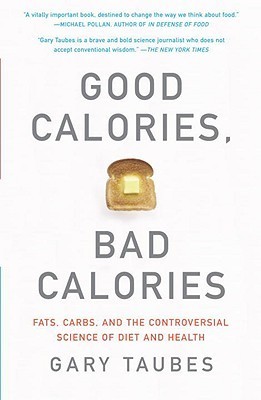
Good Calories, Bad Calories
Book Description
What if everything you thought you knew about calories was wrong? In "Good Calories, Bad Calories," Gary Taubes embarks on a riveting journey through the murky waters of nutrition science, exposing the hidden truths that challenge conventional wisdom. With relentless determination, he uncovers the shocking connection between carbohydrates, fat, and the obesity epidemic gripping society. Each page brims with jaw-dropping revelations that could upend your understanding of food and health. Brace yourself for a debate that ignites passion and controversy in the realm of diet and wellness. Are you ready to confront the shocking realities that could reshape your plate—and your life?
Quick Book Summary
"Good Calories, Bad Calories" by Gary Taubes critically examines the foundations of modern nutrition science, challenging the belief that all calories are created equal. Taubes meticulously reviews historical and scientific evidence to demonstrate that refined carbohydrates, rather than fats, are the primary drivers of obesity, heart disease, and other chronic ailments. He reveals how flawed studies, political interests, and industry influence contributed to burying the truth about nutrition for decades. Instead of focusing solely on calorie-counting, Taubes urges readers to scrutinize the types of calories consumed, emphasizing the dangers of sugar and starchy foods and questioning the low-fat dietary dogma. The book serves as both a revelatory exploration of dietary science and a call to reconsider mainstream health advice.


Summary of Key Ideas
Table of Contents
The Flawed Science Behind Nutrition Guidelines
Taubes begins by unraveling the historic underpinnings of modern dietary guidelines. He investigates how early 20th-century researchers and post-war authorities shaped today's nutritional dogmas, largely without conclusive scientific proof. The war on dietary fat, he explains, took root through observational studies and charismatic figures, not rigorous experimental evidence. Taubes highlights the surprising lack of consensus, even among scientists, and demonstrates how bias and flawed methodologies led to questionable conclusions about the causes of chronic diseases.
The Impact of Carbohydrates on Obesity and Chronic Disease
Much of the book targets the role of refined carbohydrates and sugars in health problems. Taubes marshals epidemiological data, controlled trials, and biochemistry to argue that carbohydrates—not fats—primarily drive obesity, diabetes, and heart disease. He explains how glucose and insulin dynamics promote fat storage and metabolic disturbances. Case studies from populations subsisting on traditional diets but facing disease only when exposed to Western foods further bolster this case. The evidence mounts that not all calories have equal metabolic effects.
The Misplaced Blame on Dietary Fats
Taubes deconstructs the «diet-heart hypothesis,» which blames saturated fat for heart disease, showing that supporting evidence is inconsistent. He notes numerous studies demonstrating that dietary fat and cholesterol do not correlate with poor cardiovascular outcomes as once believed. Instead, he points to research suggesting that high-sugar, high-starch diets have more detrimental health impacts. Taubes also examines why, despite mounting evidence, mainstream dietary advice continues promoting low-fat diets, to the detriment of public health.
Societal and Industry Influences on Dietary Policy
The book delves into the societal and economic drivers perpetuating ineffective nutrition policies. Taubes exposes the roles of food industry lobbying, government inertia, and the media in simplifying and codifying incomplete science into rigid public guidelines. He argues that the entrenchment of low-fat ideology persists due to self-reinforcing cycles among researchers, policy makers, and funding agencies, overshadowing emerging evidence that contradicts entrenched views.
Redefining Healthy Eating Based on Evidence
Taubes concludes with a call to rethink our understanding of nutrition. He urges readers and health professionals to look beyond calorie counting and instead focus on the distinct metabolic effects of different foods, especially refined carbohydrates versus fats and proteins. The ultimate takeaway is that public health would benefit from discarding outdated dogma and embracing a scientifically rigorous, evidence-based perspective to inform what’s truly healthy eating.
Download This Summary
Get a free PDF of this summary instantly — no email required.