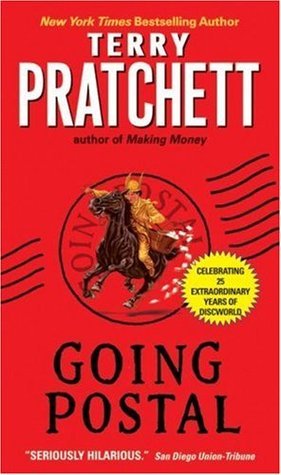
Going Postal
Book Description
Amid a city teetering on the brink of chaos, a suave con artist finds himself unwittingly appointed as the new postmaster of Ankh-Morpork’s neglected postal service. With rival factions, a nefarious criminal mastermind, and an army of disgruntled postal workers lurking in the shadows, every letter could mean life or death. As chaos reigns and old grudges resurface, will he rise to the challenge or become just another casualty in a city where mischief and magic collide? With fate hanging by a thread, is it possible to redeem a system long lost to disarray?
Quick Book Summary
"Going Postal" is a satirical fantasy novel by Terry Pratchett set in the vibrant city of Ankh-Morpork. The story follows Moist von Lipwig, a skilled con artist given one last chance at redemption by the city's ruler, Lord Vetinari. Moist is unexpectedly appointed as the Postmaster General of the decrepit postal service, a position fraught with peril and intrigue. With outdated traditions, sabotaged infrastructure, and the ruthless competition of the Grand Trunk clacks communication network, Moist must employ his cunning to revive the post office. Along the way, he encounters eccentric colleagues, criminal rivals, and his own conscience. Through humor and sharp social commentary, Pratchett explores themes of redemption, bureaucracy, and the transformative potential of believing in something larger than oneself.


Summary of Key Ideas
Table of Contents
Redemption and Second Chances
Moist von Lipwig, a notorious con man, is caught and sentenced to death, but survives through the intervention of Lord Vetinari, Ankh-Morpork’s Machiavellian ruler. Instead of execution, Vetinari offers Moist a unique opportunity: resurrect the city’s long-neglected postal service, or face a much less pleasant fate. Initially motivated by self-preservation and his instinct for survival, Moist accepts, only to find the post office in utter chaos, filled with undelivered mail and eccentric employees who have lost hope.
Satirical Take on Bureaucracy
As Moist begins his reluctant tenure, he confronts the overwhelming bureaucracy that has stifled the postal service for decades. The long shadow of the Grand Trunk Company, which operates the clacks—an optical telegraph system—threatens the post with ruthless business tactics and even sabotage. Moist must outwit Reacher Gilt, the unscrupulous head of the Grand Trunk, who will stop at nothing to maintain his technological monopoly. The book satirizes corporate greed, governmental ineptitude, and the absurdities of workplace politics.
Technology Versus Tradition
Despite initially treating the post office as another scam, Moist encounters people who believe in the mail’s magic: Stanley Howler, a pin-obsessed junior postman; the haunted Mr. Groat; and Adora Belle Dearheart, a fierce activist against the clacks’ corruption. Their optimism kindles a reluctant sense of responsibility in Moist. He begins to modernize the post, introduce innovations like stamps, and personally delivers letters, sparking enthusiasm and restored purpose among the ranks and the city itself.
The Power of Belief and Community
Moist’s struggle evolves from self-interest to genuine leadership as he competes with the seemingly invincible Grand Trunk. By exposing the company’s fraud and rallying public support, Moist reveals how collective belief can remake a failing institution. The idea of letters carrying hope and connection stirs the citizenry, turning the post office into a symbol of community resilience. Pratchett cleverly explores the transformative power of shared faith in institutions and the role of charismatic leadership.
Subverting Authority and Systems
In the end, Pratchett uses humor and satire to lampoon bureaucracy’s failings and the dangers of unaccountable power. Moist, forced to grow beyond his con artist roots, becomes a folk hero by challenging authority and revitalizing the post amid adversity. Through outrageous characters, witty dialogue, and pointed social critique, "Going Postal" delivers both a rollicking adventure and a sharp examination of redemption, belief, and the systems that shape society.
Download This Summary
Get a free PDF of this summary instantly — no email required.