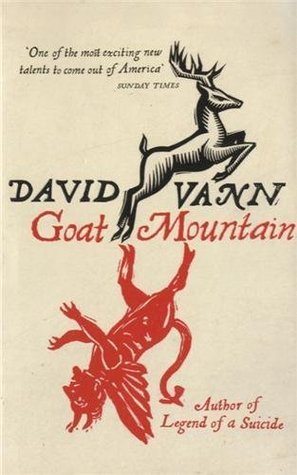
Goat Mountain
Book Description
A bullet shatters the stillness of a remote mountain retreat, turning an idyllic family trip into a nightmare of chaos and survival. As tensions soar between a father, son, and their closest friends, the line between predator and prey blurs, revealing deep-seated fears and hidden truths. Trust erodes under the weight of a shocking choice, testing the bonds of loyalty and love amidst the looming threat of violence. With every moment charged with dread, can they escape the dark legacy of their actions, or will Goat Mountain swallow them whole? What truly defines the heart of humanity when faced with unimaginable circumstances?
Quick Book Summary
Goat Mountain by David Vann is a haunting exploration of violence, coming of age, and the shadowy depths of human nature. Set in the remote wilds of northern California in the 1970s, the novel follows an eleven-year-old boy and his father as they embark on an annual deer hunt with his grandfather and a family friend, Tom. When the boy impulsively pulls the trigger on a trespasser, a single act of violence shatters the fragile bonds between them, sending the group spiraling into chaos and moral reckoning. The narrative unfolds amid the unforgiving terrain, where trust erodes and the primal instincts of each character are laid bare. Vann masterfully uses spare, intense prose to interrogate the legacy of violence within families, the passage to manhood, and the limits of forgiveness and redemption. The story’s relentless tension poses profound questions about inheritance, guilt, and the heart of humanity.




Summary of Key Ideas
Table of Contents
The Inheritance and Cycle of Violence
Goat Mountain begins with an eleven-year-old boy accompanying his father, grandfather, and family friend Tom on their annual hunting trip deep in rural California. The story is narrated from the boy’s perspective, capturing both the excitement and anxiety of being initiated into an adult ritual. Early tension arises from the group's differing philosophies on hunting and violence, predicated on the harsh lessons imparted by the older generations. The mountain landscape, both majestic and indifferent, sets a foreboding backdrop, foreshadowing the calamity to come.
Coming of Age in the Wild
The novel’s plot pivots on an irreversible act when the boy, on an impulse and craving approval, shoots and kills a man trespassing on their land. This shocking decision fractures the group’s sense of safety and purpose, thrusting each member into immediate moral crisis. The men are forced to confront not only the aftermath but the undercurrents of anger and resentment that have simmered among them for years. The boy’s identity as a son and member of the group is thrown into question, as the trusted roles of father and protector blur.
Morality Under Pressure
As the group debates whether to reveal the incident or cover it up, trust rapidly unravels. The isolated setting heightens the sense of danger, driving the men to extremes and exposing the fragile, performative nature of masculinity. The father and grandfather’s conflicting responses to the boy’s actions ignite painful confrontations, while Tom emerges as the story’s moral compass, though he himself is not immune to the mountain’s darkness. The relationships devolve under the strain, showcasing the weight of generational legacy.
Erosion of Trust and Family Bonds
Throughout the novel, the wildness of Goat Mountain becomes a symbol for the chaos and savagery latent within the human soul. Circling hawks, harsh terrain, and the physical reality of hunted game echo the existential struggles consuming the characters. Vann uses elemental imagery and stripped-down prose to draw parallels between the disintegration of the group and the indifference of nature, suggesting that violence is a primal force both inherited and inescapable.
The Natural World as Mirror
Ultimately, Goat Mountain is less a story about the hunt than a meditation on the boundaries of forgiveness, the nature of evil, and the rituals by which we shape our young. Vann refuses easy answers, instead forcing readers to reckon with the complicity of each character and the broader question of what it means to become an adult in a world shadowed by darkness. The lingering impact of the protagonist’s choices implies that some legacies—violence, guilt, silence—are not so easily left behind.
Download This Summary
Get a free PDF of this summary instantly — no email required.