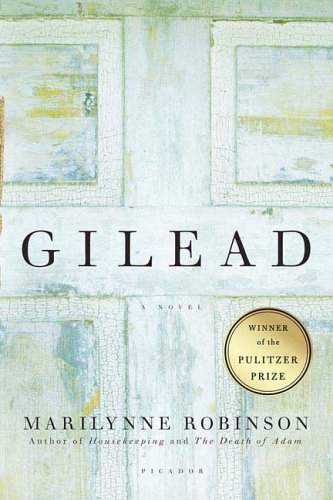
Gilead
Book Description
In a dying pastor’s aching reflections, the small town of Gilead becomes a canvas for love, loss, and the search for grace. As John Ames confronts the shadows of his past, secrets whisper from every corner, while the bonds of family strain against the weight of unspoken truths. Through letters to his young son, Ames delves deep into the heart of faith, legacy, and the haunting specter of death. Amidst the pain and beauty of existence, can the fragile threads of hope stitch together the fragile tapestry of life before it unravels?
Quick Book Summary
"Gilead" by Marilynne Robinson is a profound meditation on faith, family, and mortality, set in the quiet town of Gilead, Iowa. Narrated through a series of letters from Reverend John Ames to his young son, the novel explores Ames's reflections as he nears the end of his life. Ames grapples with his personal history, the legacy of preachers in his family, and the complexities of fatherhood and friendship, especially with Jack Boughton. Through intimate memories and philosophical musings, Ames attempts to impart wisdom and reconcile with the uncertainties of existence. The novel is a quiet yet powerful exploration of grace, forgiveness, and the persistent search for meaning in the everyday moments of an ordinary life.





Summary of Key Ideas
Table of Contents
Faith and Doubt
"Gilead" unfolds through the voice of Reverend John Ames, a Congregationalist minister in small-town Iowa, who, at age seventy-seven and in failing health, writes a series of deeply personal letters to his seven-year-old son. Ames reflects on his life, hoping to leave behind stories and insights the boy might use to understand his father after he is gone. This epistolary structure allows Robinson to delve deeply into Ames’s spiritual and philosophical ruminations, exploring the fullness of a seemingly quiet life. Ames’s narrative is marked by his humility and awe at the beauty, pain, and grace he has witnessed, as well as the love he has received and yearns to pass on.
Legacy and Generational Memory
Central to Ames’s reflections is the theme of faith—both steadfast and faltering. Ames is the son and grandson of preachers, and his family’s tumultuous history with faith in the context of American civil strife forms a powerful undercurrent in the narrative. He grapples with the complexities of religious conviction, the persistent questions that arise, and his own experiences with doubt. This honest exploration gives the novel its moving depiction of belief as an ongoing, often painful journey, rather than a settled state, and shows how faith can be both tested and renewed through everyday experiences and relationships.
Fatherhood and Love
The bonds between fathers and sons, and the legacies they carry, occupy a significant place in the novel. Ames speaks not only to his son but reflects on the relationships he had with his own father and grandfather. These familial ties are interwoven with historical events and personal grievances, shaping Ames’s sense of self and his duty as both father and storyteller. His friendship with Boughton and the fraught relationship with Boughton’s wayward son, Jack, further complicate Ames’s views on forgiveness, love, and responsibility. Jack’s return to Gilead challenges Ames, pressing him to confront his biases and capacity for compassion.
Forgiveness and Redemption
Forgiveness and redemption are core to Ames’s spiritual struggles, especially as they pertain to Jack Boughton. Jack is an outsider with a troubled past, and his reappearance stirs old wounds and moral dilemmas. Ames’s journey to forgive Jack and see the goodness in him mirrors his wider search for grace in an imperfect world. This struggle is portrayed with nuance, demonstrating that forgiveness is often a process, fraught with hesitation and yet capable of profound transformation for both giver and receiver.
Mortality and the Beauty of Ordinary Life
As the novel draws towards its conclusion, the reality of Ames’s mortality becomes ever more present. Yet, rather than succumbing to despair, he finds immense value in the ordinary details of life: the play of sunlight, the laughter of his child, the simple rituals of daily existence. "Gilead" ultimately celebrates the beauty found in small moments and the possibility of redemption and hope. Through quiet wisdom and lyrical prose, Robinson leaves readers with a testament to the enduring power of love, faith, and the human capacity for grace.
Download This Summary
Get a free PDF of this summary instantly — no email required.