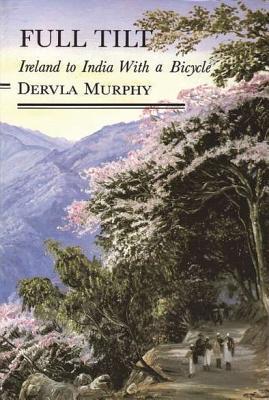
Full Tilt: Ireland to India with a Bicycle
Book Description
Pedal through the heart of adventure as Dervla Murphy takes you on a breathtaking journey from Ireland to India, where every mile unravels a tapestry of cultures and challenges. With the wind at her back and obstacles ahead, she battles the elements, encounters vibrant communities, and faces the stark realities of life on the road. Her bicycle becomes both a refuge and a weapon against fear, forging connections that transcend borders. As the landscapes shift from lush green hills to sun-scorched deserts, will her spirit endure the ultimate test of resilience and discovery?
Quick Book Summary
"Full Tilt: Ireland to India with a Bicycle" chronicles Dervla Murphy’s audacious solo cycling journey from Ireland to India in the 1960s. Armed with her bicycle Roz and an unyielding spirit, Murphy traverses war zones, climbs dizzying mountain passes, and endures extreme weather. Along the way, she encounters a tapestry of cultures across Europe, Persia, Afghanistan, and Pakistan, forming bonds with locals and experiencing both their hospitality and suspicion. Her account is marked by frank self-reflection, vibrant awareness of the landscapes, and insights into the regions’ politics and daily life. This memoir is a testament to the power of resilience, the thrill of traveling independently as a woman, and the deep human connections forged on the road.



Summary of Key Ideas
Table of Contents
Resilience in the Face of Adversity
Dervla Murphy’s journey began in Ireland with a simple plan: to cycle alone all the way to India. As she pedaled across Europe, she was confronted by harsh winter conditions, mechanical breakdowns, and the uncertainties inherent in solo travel. Murphy’s preparedness, resourcefulness, and determination were repeatedly tested, as each new challenge demanded quick thinking and tenacity to overcome. Her reflections reveal a profound commitment to self-sufficiency and personal safety, without sacrificing her openness to adventure.
Cross-Cultural Encounters and Hospitality
Upon entering Asia, Murphy encountered a dazzling variety of cultures, traditions, and ways of life. In countries such as Persia (now Iran) and Afghanistan, she found herself both welcomed by strangers and scrutinized as an outsider. Murphy’s empathy allowed her to navigate these complexities, appreciating striking acts of kindness while sharing honest observations about the societies she passed through. Her nuanced portrayal of people highlights both the universality of hospitality and the tensions of crossing cultural and political boundaries.
The Challenges and Joys of Solo Female Travel
Traveling alone as a woman in the 1960s was almost unheard of, and Murphy’s memoir explores the unique joys and perils that accompanied her. She often faced skepticism and outright danger due to her gender, including encounters with potential thieves and intruders. However, her courage, wit, and adaptability often turned situations in her favor. Murphy’s experiences underscore both the vulnerability and empowerment that come with independence, revealing how she confronted stereotypes and set her own path.
The Transformative Nature of Adventure
The journey was transformative on a personal level, forcing Murphy to dig deep into reservoirs of resilience and curiosity. The hardships along the way—injuries, illness, rough terrain—served as catalysts for growth rather than deterrents. Each trial on the road fueled her inner resolve and expanded her perspective on life’s possibilities. The act of continuous movement facilitated a process of self-discovery, pushing Murphy toward new horizons both physically and emotionally.
Connection to Landscape and Nature
Throughout the narrative, Murphy’s deep connection to the landscape stands out. Her evocative descriptions paint vivid images of snow-laden mountains, dry deserts, teeming bazaars, and serene villages. The natural world emerges not just as a backdrop, but a character in itself—one that offers awe, comfort, and occasional menace. Murphy’s observations reflect both wonder and respect for the places she passes, underscoring the profound impact that physical surroundings can have on the traveler’s spirit.
Download This Summary
Get a free PDF of this summary instantly — no email required.