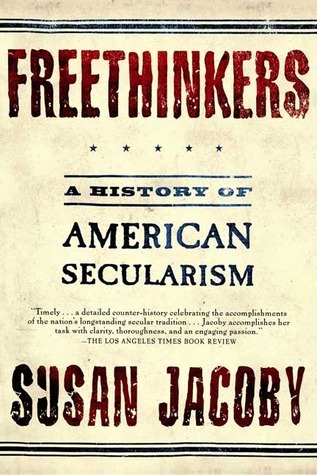
Freethinkers: A History of American Secularism
Book Description
The battle for the soul of America unfolds in the gripping pages of *Freethinkers: A History of American Secularism*. Susan Jacoby peels back the curtain on the rise of secularism, revealing the relentless struggle between belief and disbelief that has shaped a nation. Through vivid tales of fearless thinkers and cultural upheavals, this electrifying narrative exposes how the fight for reason and freedom has paved the way for modern progress. As the stakes rise and society grapples with its values, one question remains: What will it take to secure a future built on reason amidst the shadows of faith?
Quick Book Summary
Freethinkers: A History of American Secularism by Susan Jacoby offers a sweeping examination of the pivotal role secular thought has played in the evolution of the United States. Challenging prevalent myths about America's founding as a strictly Christian nation, Jacoby uncovers the dynamic influence of skeptics, rationalists, and advocates for church-state separation from the Revolutionary era to the modern age. With engaging narratives about influential individuals and movements, she illustrates how freethinkers fought for intellectual liberty and scientific progress against fervent opposition. The book also reflects on recurring social battles over religious influence in public life, shedding light on the enduring struggle between religious orthodoxy and secular values and underscoring the importance of secularism for a pluralistic democracy.



Summary of Key Ideas
Table of Contents
The Myth of a Christian Nation
Susan Jacoby sets the stage by debunking the popular notion that America was founded solely as a Christian nation. She meticulously traces the intellectual origins of the United States, revealing how Enlightenment principles, skeptical inquiry, and secular ideals deeply influenced its formation. Early leaders like Thomas Jefferson and James Madison, she argues, embedded a framework for religious freedom and government neutrality toward religion, fostering an environment ripe for freethinking to thrive even as religious rhetoric remained potent.
The Role of Freethinkers in Social Progress
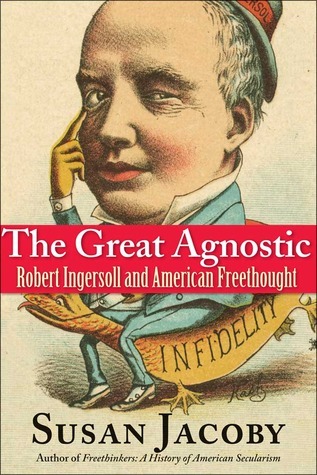
The book delves into the stories of prominent freethinkers—figures such as Elizabeth Cady Stanton, Robert Ingersoll, and Thomas Paine—who championed progressive causes interconnected with secular ideals. Jacoby examines how secularists fuelled abolition, women’s rights, and scientific inquiry in the face of religious opposition. The narrative showcases the courage and vision of individuals who, often risking ostracism, advanced the cause of reason and human rights, thus expanding civil liberties and the boundaries of democratic society.
Church-State Separation and Its Challenges
A recurring theme is the persistent tension between efforts to separate church and state and recurrent waves of religious revivalism. Jacoby documents key historical clashes—whether over Bible reading in public schools, prayer, or the teaching of evolution. Each episode reflects broader societal debates, as advocates for secular governance struggled to maintain a neutral public sphere while religious influences sought to shape policy and education. This ongoing push-and-pull reveals the vulnerability of secular protections amid cultural and political shifts.
Waves of Religious Revival and Backlash
Jacoby highlights how periods of progress toward secularism were often followed by fierce backlash and attempts to reassert religious dominance. From the rise of Christian fundamentalism in the early twentieth century to the culture wars of recent decades, secularism has been threatened by those seeking to redefine American identity in religious terms. Despite such setbacks, Jacoby illustrates that freethinking has proven remarkably resilient, evolving in response to new societal challenges while continuing to advocate for scientific literacy, personal liberty, and minority rights.
Secularism's Legacy and Ongoing Struggles
In conclusion, "Freethinkers" argues that the history of American secularism is central to understanding the nation’s civic identity and prospects for pluralism. Jacoby urges vigilance in safeguarding the secular foundations that enable diversity and dissent. As debates over the public role of religion persist, the legacy of America’s freethinkers remains vital for the preservation of an open, inclusive, and rational society. Jacoby’s narrative not only chronicles the achievements of secular activism but also calls readers to reflect on the ongoing need to defend and expand the boundaries of intellectual and religious freedom.
Download This Summary
Get a free PDF of this summary instantly — no email required.