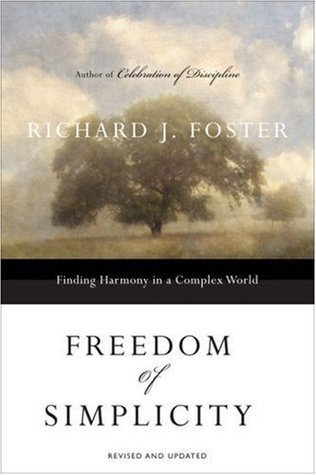
Freedom of Simplicity: Finding Harmony in a Complex World
Book Description
In a world drowning in chaos and noise, one daring path unveils the profound art of simplicity. Richard J. Foster leads a transformative journey, peeling back layers of complexity to reveal a life defined by clarity, purpose, and true freedom. Each page brims with insights that challenge the status quo and ignite a deeper connection to what truly matters. As distractions fade, a harmonious existence emerges, urging a reevaluation of choices and desires. Can the radical embrace of simplicity unlock the hidden joy and peace lurking in the shadows of modern life?
Quick Book Summary
In "Freedom of Simplicity: Finding Harmony in a Complex World," Richard J. Foster explores the spiritual discipline of simplicity as a means to counteract the fragmentation and distractions of modern life. Drawing on Christian teachings and his own contemplative experience, Foster advocates for a conscious, intentional reduction of life's clutter—material, emotional, and spiritual—to better align with God's will and experience deeper joy and purpose. The book examines the historical roots of simplicity within Christian tradition and offers practical guidance for individuals seeking a less encumbered, more harmonious existence. Foster challenges readers to pursue simplicity not as asceticism but as a transformative lifestyle that opens the way to deeper relationship with God, authentic community, and genuine freedom.





Summary of Key Ideas
Table of Contents
Simplicity as a Spiritual Discipline
Richard J. Foster begins with the premise that the overcomplicated nature of modern society interferes with our ability to hear God's voice and live purposefully. He presents simplicity not merely as minimalist aesthetics, but as a spiritual discipline rooted in the teachings of Jesus and the early Christian church. Foster contrasts superficial simplicity with the profound freedom that comes from releasing attachments and reorienting life around God’s priorities, providing historical context and underscoring the call to live counterculturally.
Breaking Free from Materialism
A significant emphasis is placed on materialism and its spiritual pitfalls. Foster critiques society's obsession with possessions, status, and consumerism, arguing that such pursuits ultimately lead to bondage and distraction. By actively choosing a simpler lifestyle—marked by prudent consumption, stewardship, and dematerialization—believers can unshackle themselves from anxieties about wealth and scarcity. Simplicity here becomes an act of trust in God’s provision and a statement of faith that values people and relationships above things.
Cultivating Inner Peace and Clarity
Foster moves from the external to the internal, describing how simplicity clears the mental and spiritual clutter that clouds discernment and peace. He discusses practices such as silence, solitude, and prayer, which foster inner stillness and a receptive spirit. By cultivating this internal clarity, Christians can better perceive God’s guidance, resist cultural pressures, and remain centered amid chaos. Foster insists that inner simplicity is foundational; without it, external attempts at simple living become hollow and unsustainable.
Community and Generosity in Simple Living
The book stresses that true simplicity is not a solitary quest but flourishes most fully in community. Foster highlights the biblical ethos of sharing, hospitality, and generosity, showing how the blessings of simplicity naturally overflow toward others. Simplicity empowers believers to care for the vulnerable, pursue justice, and build nurturing relationships that reflect God’s kingdom values. As possessions lose their hold, generosity becomes both easier and more joyful.
Practical Pathways to Simplicity
Finally, Foster offers practical advice for integrating simplicity into daily life. He provides actionable steps such as mindful purchasing, simplifying schedules, reducing distractions, and reevaluating commitments. The guidance is never legalistic but encourages thoughtful experimentation and gradual growth. Foster’s approach is gentle and encouraging, reminding readers that the journey toward simplicity is ongoing and grace-filled, ultimately leading to a life of harmonious freedom and spiritual abundance.
Download This Summary
Get a free PDF of this summary instantly — no email required.