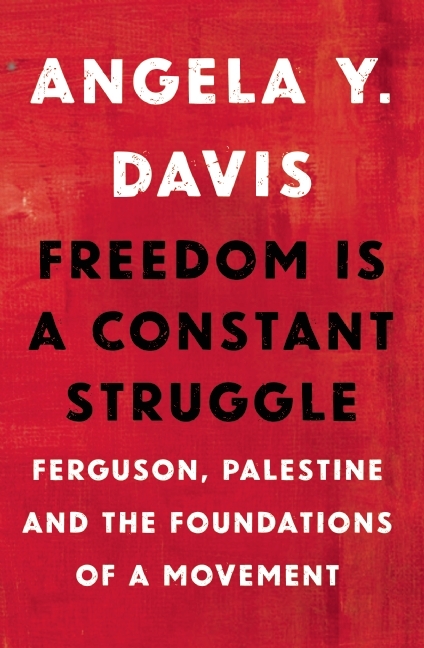
Freedom is a Constant Struggle: Ferguson, Palestine and the Foundations of a Movement
Book Description
Voices rise in protest as the streets of Ferguson echo with longing for justice, while a distant struggle unfolds in Palestine. Angela Y. Davis weaves these urgent narratives together, exploring the profound connections between these battles for liberation. In this electrifying call to action, power dynamics, systemic oppression, and the indomitable spirit of resistance collide. Through powerful essays and impassioned speeches, Davis illuminates the shared fight for freedom that transcends borders. What happens when the struggle for justice knows no boundaries, and how can it ignite a global movement?
Quick Book Summary
"Freedom is a Constant Struggle" by Angela Y. Davis is a compelling collection of essays and interviews that illuminate the interconnectedness of global justice movements, specifically drawing parallels between Ferguson, Palestine, and broader struggles against systemic racism and state violence. Davis explores how historical and contemporary struggles for freedom—whether against police brutality in the United States or colonial occupation in Palestine—share common roots in oppression and are energized by international solidarity. Drawing on her experiences as a seasoned activist and scholar, Davis urges readers to reconsider borders, intersectionality, and the powerful legacy of resistance. Her work contends that true liberation requires persistent, collective action built on connections across race, class, and geography. Through stirring analysis and passionate advocacy, Davis inspires a vision for an inclusive global movement.




Summary of Key Ideas
Table of Contents
Global Solidarity and Interconnected Liberation
Angela Y. Davis begins by emphasizing the necessity of seeing struggles for justice around the world as fundamentally linked. She highlights events in Ferguson following the killing of Michael Brown alongside the Palestinian movement for liberation, revealing how state violence and systemic oppression transcend national boundaries. Davis argues that recognizing these connections fosters global solidarity, making it possible to challenge the structures underpinning various forms of injustice.
Systemic Racism and State Violence
Davis delves deeply into systemic racism and its persistent manifestations, particularly within the U.S. policing and prison systems. She situates the rise of the Black Lives Matter movement within a long historical trajectory of resistance against racialized violence. By drawing parallels to similar forms of state violence and surveillance experienced by Palestinians, Davis demonstrates the universality of struggles against militarization, occupation, and the devaluation of Black and Brown lives.
The Role of Intersectional Feminism
Intersectionality is a central theme as Davis insists that effective resistance must consider how race, gender, class, and sexuality interact to shape experiences of oppression. She examines the critical role played by Black women, queer activists, and grassroots communities, arguing that only intersectional movements can address the full complexity of justice. The importance of feminist analysis and leadership, Davis contends, is vital in reimagining liberation for everyone.
Historical Memory and Political Prisoners
Remembering history and honoring political prisoners are essential for building resilient movements, Davis insists. She points to the global campaign to free political prisoners—including her own historic case—as foundational for maintaining the continuity of resistance. Political memory, she argues, not only honors past sacrifices but also provides vital lessons and inspiration for new generations committed to justice.
Sustaining Resistance and Hope
Davis concludes by focusing on the necessity of sustaining resistance and nurturing hope. She acknowledges the difficulties and risks inherent in challenging powerful systems, yet insists that collective action, informed by shared history and global solidarity, is essential for lasting change. Davis charges readers to resist despair, cultivate courage, and carry onward the ongoing struggle for freedom, demonstrating that movements for justice are “constant,” drawing strength from both legacy and unity.
Download This Summary
Get a free PDF of this summary instantly — no email required.