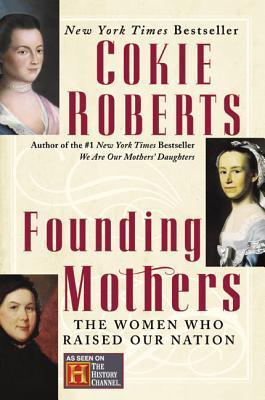
Founding Mothers: The Women Who Raised Our Nation
Book Description
Behind every great revolution lies a cadre of fearless women whose voices have long been silenced. "Founding Mothers: The Women Who Raised Our Nation" by Cokie Roberts unveils the untold stories of these remarkable figures who shaped America’s destiny. From wives to mothers and activists, they navigated a world of chaos, wielding influence in their own subtle yet powerful ways. Their courage and resilience forged the foundation of a nation. As the revolution raged, these women stood firm—what sacrifices did they make for freedom, and how did their legacies resonate in the battles that followed?
Quick Book Summary
"Founding Mothers: The Women Who Raised Our Nation" by Cokie Roberts brings to light the overlooked yet critical roles women played during the American Revolution. Far from being mere bystanders, figures such as Abigail Adams, Martha Washington, and Mercy Otis Warren wielded influence, managed households, and spurred political action in a time of immense upheaval. Roberts tells their stories through letters, journals, and personal documents, illuminating the sacrifices women made, from enduring hardships to maintaining family and supporting the revolutionary cause. Their resilience, leadership, and ingenuity laid the groundwork for the young nation. By spotlighting these unsung heroines, Roberts offers a richer, more inclusive view of America’s founding era and the legacies these women imparted on generations to come.





Summary of Key Ideas
Table of Contents
Women as Political Influencers and Leaders
Roberts highlights how the women surrounding America’s founding fathers were crucial players in the struggle for independence. Through personal relationships and political savvy, women such as Abigail Adams shaped the philosophies and actions of male leaders. They advised husbands, wrote persuasive letters, and advocated for issues including education and rights. Their opinions often swayed critical decisions, proving that the revolutionary movement extended deep into the domestic and social spheres, powered by women’s intellect and moral guidance.
Sacrifice and Endurance in Wartime
Life during the Revolution was fraught with danger, scarcity, and uncertainty, especially for women responsible for homes and families. Many managed farms and businesses in the absence of men, facing threats from both the British and loyalist neighbors. Roberts outlines the immense hardships women endured, including financial instability, violence, and the constant threat of loss. Yet, their tenacity not only ensured their families’ survival but also aided the revolutionary cause by maintaining home fronts, supplying troops, and enduring personal sacrifice.
Women’s Networks and Communication
A unique insight in Roberts’s work is the importance of women’s correspondence and networks. Women like Mercy Otis Warren created powerful bonds through letter writing, sharing news, rallying support, and spreading revolutionary ideas. These connections fostered unity and kept morale high across colonies. Letters served as a means for women to voice political opinions, offer counsel, and document the Revolution’s daily realities. Their words provided historians with invaluable resources, filling in gaps left by official records.
Legacy and Historical Recognition
Despite their fundamental roles, these women’s accomplishments were often overlooked or minimized in traditional histories. Roberts discusses the slow process of recognizing and honoring their legacies. By unearthing their stories, she challenges the prevailing narrative and argues that women’s actions were central to the birth of the nation. The legacy of these founding mothers lies in their perseverance and vision, inspiring future generations to acknowledge women’s vital contributions to American society and political life.
Download This Summary
Get a free PDF of this summary instantly — no email required.