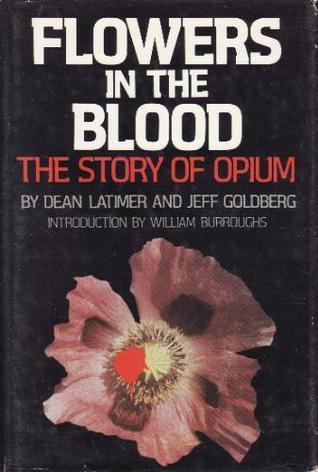
Flowers in the blood: The story of opium
Book Description
A flower that ensnares the soul, opium weaves a tale of beauty and devastation. Jeff Goldberg unveils the intricate dance between desire and destruction, tracing the roots of this potent plant through history, culture, and addiction. From ancient civilizations to modern conflicts, the narrative reveals how opium has shaped lives, sparked revolutions, and fueled empires. Witness the gripping struggles of those bound by its seductive allure and the harsh realities faced in a world where the line between healing and harm blurs. What happens when a single bloom holds the power to alter destinies and draw humanity into chaos?
Quick Book Summary
"Flowers in the Blood: The Story of Opium" by Jeff Goldberg takes readers on an illuminating journey through the multifaceted history of opium, exploring its origins, cultural impact, and complex legacy. Tracing opium's path from ancient medicinal uses to its role as a catalyst for war, trade, and addiction, Goldberg unveils how this seemingly innocent flower has shaped human society across continents and centuries. The narrative examines the contradictions inherent in opium's power to heal and to harm, highlighting the ways it has inspired both reverence and ruin. Combining meticulous historical research with compelling storytelling, the book delves into the personal and collective struggles surrounding addiction, the role of empires in exploiting opium, and the ongoing global challenges posed by its derivatives. Readers gain insight into a substance that continues to influence medicine, politics, and culture.

Summary of Key Ideas
Table of Contents
Opium’s Dual Nature: Medicine and Menace
Opium’s journey begins in the ancient world, where it was revered as both a divine medicine and a mysterious intoxicant. Early civilizations in Mesopotamia, Egypt, Greece, and Asia recognized and harnessed its potent effects for pain relief and ritualistic uses. Jeff Goldberg chronicles how societies first encountered the paradox of opium: a substance capable of profound healing but also of seduction and dependency. This section emphasizes the role of opium in shaping medical practices, as well as its integration into spiritual and cultural rituals, laying the groundwork for the dual perceptions that would persist throughout history.
Empire, Trade, and the Opium Economy
As knowledge of opium spread, its impact expanded beyond healing into the realm of commerce and power. Goldberg explores how empires—including the British and Chinese—used opium as a strategic commodity. The infamous Opium Wars of the nineteenth century highlight its role in shaping global trade, diplomacy, and colonial ambitions. The author details how economic interests often overshadowed moral concerns, turning opium from a medicinal substance into a tool for political leverage and economic dominance, with devastating consequences for the societies ensnared in its trade.
Addiction and Cultural Transformation
Opium’s seductive nature fundamentally altered millions of lives. Goldberg examines how individuals and entire cultures have grappled with addiction, oscillating between reverence for opium’s perceived virtues and recognition of its destructive power. The book discusses social transformations brought on by addiction, revealing the stigma, suffering, and resilience of those caught in the grip of dependency. Testimonies from different eras illustrate the deeply personal costs, as well as the social responses—ranging from compassion to moral panic.
Conflict, Control, and Colonial Power
Central to the narrative is the struggle for control over opium’s influence. Governments and reformers have long attempted to regulate production, distribution, and consumption, with mixed results. Goldberg discusses colonial campaigns, prohibition efforts, and contemporary law enforcement strategies, highlighting the persistent tension between personal freedom, public health, and state control. He reveals how these efforts often led to unintended consequences, such as black markets and new patterns of criminality.
Legacy and the Modern Drug Crisis
In the closing discussion, Goldberg draws connections between opium’s historical legacy and modern drug crises, particularly the ongoing challenges posed by its derivatives—including morphine and heroin. The book considers how advances in science and medicine have both alleviated suffering and introduced new dangers. Readers are left to contemplate opium’s enduring allure and its capacity for both good and harm—a reminder that the fate of society may still rest, in part, on the power of this remarkable flower.
Download This Summary
Get a free PDF of this summary instantly — no email required.