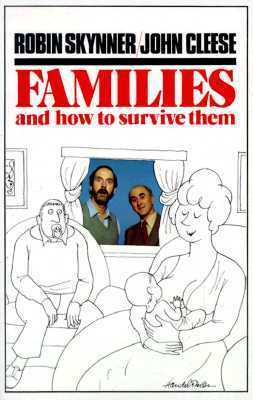
Families and How To Survive Them
Book Description
Behind every closed door lies a universe of chaos and connection, where love battles dysfunction and every family secret holds the key to survival. Robin Skynner unveils the raw truths about family dynamics, exploring the tangled web of relationships that shape us. With sharp insights and vibrant scenarios, he reveals how understanding these bonds can lead to healing and growth. Can we confront our past and forge stronger connections, or will we remain prisoners of our own history? Step into the world of families and discover the profound impact they have on our lives – are you ready to unlock the truth?
Quick Book Summary
"Families and How To Survive Them" by Robin Skynner, assisted by John Cleese, offers an insightful yet humorous exploration of family life and its psychological underpinnings. Bridging psychotherapy, practical advice, and wit, Skynner dissects how family dynamics shape our behavior, attitudes, and relationships. He reveals the unconscious forces at play—how childhood experiences and family roles carry lasting effects into adulthood. The book suggests that by understanding these patterns, we can begin to heal and create healthier connections. Skynner mixes relatable case studies and dialogue, guiding readers through conflict, communication breakdowns, generational trauma, and personal growth. Ultimately, the book encourages awareness and self-examination as the first steps to breaking negative cycles and finding genuine connection within our families.



Summary of Key Ideas
Table of Contents
Understanding Family Roles and Dynamics
The book opens by recognizing that families are complex emotional systems, each with unique patterns, unwritten rules, and recurring themes. Skynner illustrates how every family establishes roles—be it the peacemaker, the scapegoat, or the responsible one—which subtly dictate how members relate and respond to each other. These dynamics often develop as coping mechanisms, born from the need to keep peace or satisfy unspoken expectations. Awareness of these patterns is pivotal for anyone seeking change or personal insight, as they form the foundation for much of our adult behavior.
The Lasting Effects of Childhood Experiences
Skynner delves into how our early experiences—particularly during childhood—mold our emotional landscape. He shows that family interactions deeply influence our self-esteem, communication habits, and expectations in relationships. Unresolved childhood issues, such as emotional neglect, favoritism, or excessive criticism, can persistently echo into adult life, manifesting in self-doubt, trust issues, or recurring conflicts with partners and friends. By revisiting these formative moments, readers can confront old wounds and begin the process of healing.
Communication and Conflict Resolution
A significant focus is placed on the ways families communicate, or fail to do so, and how this underpins much of the friction and dysfunction that arises. Skynner uses accessible scenarios, often laced with humor, to demonstrate how misunderstandings, avoidance, and emotional repression can entrench patterns of conflict. He stresses the transformative power of honest dialogue while offering practical tools for de-escalating arguments, expressing needs, and truly listening. Effective communication, while challenging, is presented as the linchpin of family cohesion and growth.
Breaking Cycles and Fostering Healing
Moving beyond analysis, Skynner encourages readers to break destructive cycles that have held sway for generations. Whether it is compulsively reenacting parental behavior or feeling trapped by inherited roles, he argues that conscious awareness is the key to change. This entails examining our own contributions to the family dynamic, rejecting blame, and embracing responsibility for personal choices. By actively working to create new, healthier patterns, individuals and families can experience profound transformation and resilience.
In conclusion, "Families and How To Survive Them" combines compassionate insight with levity, making complex psychological concepts approachable and memorable. Skynner offers hope by emphasizing that families, no matter how troubled, can evolve. The journey is ongoing, requiring patience, reflection, and sometimes professional support. Ultimately, the book asserts that we are not prisoners of our family history. With courage, honesty, and empathy, each person can help build stronger, more loving relationships—both within their families and beyond.
Download This Summary
Get a free PDF of this summary instantly — no email required.