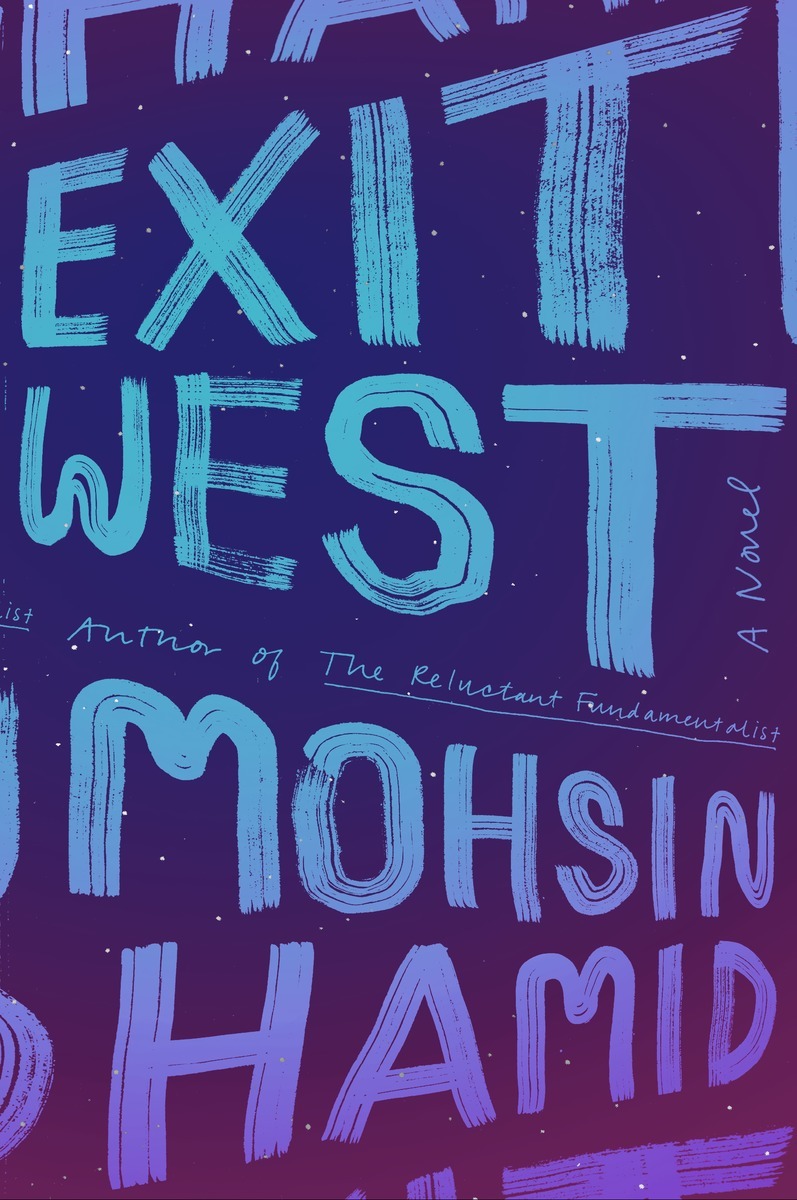
Exit West
Book Description
Two lovers find their world unraveling as civil war looms, and their city becomes a battleground. In the chaos, mysterious doors appear, offering a chance to escape to unknown lands. As they journey from one country to another, each new destination tests their bond and challenges their hope in an ever-shifting landscape of identity and belonging. With every step, they confront their past and the profound truths of love and loss amidst global turmoil. As doors close behind them, what sacrifices will they make for a future intertwined with uncertainty? Will love be enough to navigate a fragmented world?
Quick Book Summary
"Exit West" by Mohsin Hamid follows the journey of Nadia and Saeed, two young lovers whose lives are upended when civil unrest engulfs their unnamed Middle Eastern city. As violence escalates and the city becomes increasingly perilous, rumors spread of magical doors that instantaneously transport people across continents. Nadia and Saeed, seeking safety and a future together, step through these doors and find themselves in a series of unfamiliar and ever-changing cities, each with its own unique challenges. Amidst the turbulence of migration, dislocation, and the loss of home, their relationship is tested by the shifting realities of their new lives. The novel delicately explores themes of love, displacement, identity, and connection in a fragmented, globalized world.





Summary of Key Ideas
Table of Contents
Migration and Displacement
Nadia and Saeed’s story begins in a nameless city teetering on the brink of war. As explosions and violence draw nearer, their lives—once marked by quiet routines and budding romance—are increasingly dominated by fear and uncertainty. The couple, though vastly different in personalities and values, form a deep bond as they shelter each other from the chaos, seeking solace in moments of normalcy. The mounting dangers soon make it clear that escape is the only option, setting them on a journey that will reshape their understanding of home and love.
The Fragility and Evolution of Love
Their escape is facilitated by the appearance of mystical black doors, rumored gateways to other countries. Unlike traditional migration stories, these doors offer instant passage, allowing the narrative to move fluidly from city to city—Mykonos, London, San Francisco—each representing different realities for refugees. However, this fantastical element also highlights the harsh emotional and psychological toll of upheaval, as Nadia and Saeed grapple with not only external dangers but also the internal challenges of the unfamiliar, experiencing both isolation and fleeting moments of community.
Identity and Belonging in a Changing World
Throughout their crossings, the couple’s relationship is repeatedly tested. Early closeness is challenged by the strain of adaptation and the differing ways they each cope with trauma and displacement. Saeed finds comfort in faith and memories, clinging to tradition, while Nadia embraces change with independence and curiosity. As they move through places that are both welcoming and hostile, their individual identities are reshaped by new experiences, gradually shifting the contours of their bond.
The Role of Borders—Physical and Metaphorical
The novel weaves in stories of other migrants passing through doors or settling into new lives, reinforcing the universality of displacement and the search for belonging. Intertwined narratives showcase the shared pain and resilience of people uprooted by conflict and opportunity, offering glimpses of hope, solidarity, and transformation. These vignettes reinforce the porous nature of borders, both literal and figurative, and the necessity of empathy in a world defined by movement and change.
By the end, Nadia and Saeed confront the realities of who they have become apart from who they were together. Their love, though real, is not immune to the inexorable changes wrought by migration and loss. Exiting west is not just a physical act but a metaphor for transition and letting go. Hamid’s novel ultimately offers a poignant meditation on the enduring human spirit in the face of fragmentation—a love story shadowed by war but illumined by the hope of possibility and connection.
Download This Summary
Get a free PDF of this summary instantly — no email required.