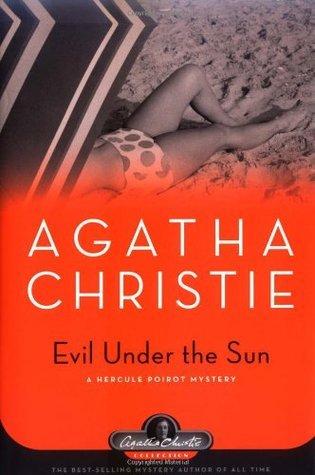
Evil Under the Sun
Book Description
Beneath the dazzling sun of a secluded resort, a seemingly idyllic vacation turns into a treacherous game of deceit and murder. When a glamorous young woman is discovered dead on the beach, tensions rise, and every guest becomes a suspect. With danger lurking in every whispered conversation and hidden motives surfacing, renowned detective Hercule Poirot must untangle a web of lies and jealousy. As secrets implode and relationships fracture, the clock ticks down to reveal the sinister truth. Will Poirot piece together the clues before the killer strikes again, or will the sun set on justice forever?
Quick Book Summary
"Evil Under the Sun" by Agatha Christie is a classic detective novel featuring the legendary Belgian sleuth, Hercule Poirot. Set at a luxurious seaside resort, the story revolves around the murder of the beautiful and flirtatious Arlena Stuart Marshall, a woman envied and resented for her charm. As Poirot investigates, he uncovers a tangled web of jealousy, infidelity, and hidden motives among the guests. The picturesque setting contrasts sharply with the darkness of human nature, as every suspect seems to harbor secrets and potential reasons for murder. Drawing on his keen powers of observation and understanding of psychology, Poirot must decipher red herrings and psychological games to expose the killer. Christie's narrative brilliance shines through twists and suspense, culminating in a revelation that challenges assumptions about guilt and innocence.


Summary of Key Ideas
Table of Contents
The Complexity of Human Motives
At the center of the story is the scenic Jolly Roger Hotel on Smugglers' Island, where guests arrive seeking relaxation under the summer sun. Among them is Arlena Stuart Marshall, a strikingly attractive woman whose beauty and flirtatious manner quickly become the catalyst for unrest among the group. Her presence stirs up deep-seated feelings of envy, desire, and resentment, as she is both admired and reviled by others for her alluring appeal and evident disregard for social niceties. The tranquil setting is thus unsettled by a simmering tension that hints at the darker side of human interaction.
The Illusion of Appearances
The murder of Arlena is discovered when her lifeless body is found on a secluded cove. Suspicion immediately falls on those closest to her: her husband, Kenneth Marshall; his daughter, Linda; and Patrick Redfern, who was openly infatuated with Arlena despite being married himself. As Poirot begins his investigation, he notes the complexities of character and motive among the guests, each of whom has reason to either hate or desire Arlena. The initial stages of the inquiry revolve around unraveling these relationships, setting the stage for Poirot’s systematic approach to detection.
Jealousy and Its Consequences
Christie masterfully employs misdirection throughout the novel, leading both Poirot and the reader through a labyrinth of red herrings. Seemingly damning evidence against various suspects is uncovered, including alibis that appear fluid and testimonies that often conflict. Poirot’s ability to see through the misleading surface details is central to his method, as he carefully analyzes timelines, psychological motives, and subtle inconsistencies in witnesses’ statements. This aspect of the story spotlights Christie's exceptional skill in crafting intricate mysteries that keep readers guessing until the climax.
The Art of Misdirection
Themes of jealousy, deception, and the illusion of innocence permeate the narrative. Characters are revealed to harbor secrets and hidden grievances, and their motivations often stem from complex emotional entanglements. The facade of innocent leisure is gradually stripped away, exposing the darker drives that can spur ordinary people to extraordinary actions. Poirot’s success hinges on his belief that human behavior—no matter how cleverly disguised—can always be understood by seeking to comprehend the psychology behind it.
Poirot’s Methodical Investigation
The solution to the mystery is a testament to careful observation and logical reasoning. Poirot reveals that the murder was not a spontaneous crime of passion but a meticulously planned act, with its roots in prior deceptions and long-held schemes. The ‘evil’ under the sun is not merely the crime itself, but the ability of appearances to deceive. In the end, justice is served not by brute force, but by Poirot’s insightful interpretation of the underlying truths masked by sunlit tranquility.
Download This Summary
Get a free PDF of this summary instantly — no email required.