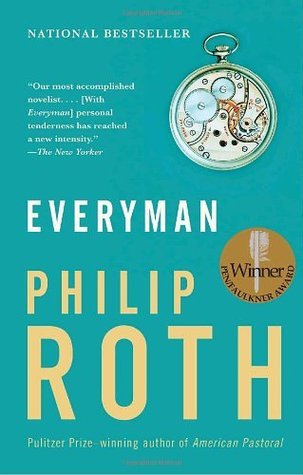
Everyman
Book Description
A life laid bare. Everyman races through the stark reality of aging, mortality, and the unseen scars hidden beneath the surface of everyday existence. As a seemingly unremarkable man confronts his past loves and lost opportunities, a haunting struggle unfolds—between desire and regret, connection and isolation. Relationships fracture and heal under the relentless passage of time, exposing the raw vulnerabilities of the human spirit. Each encounter reveals a new layer of pain and passion, gripping the heart in its relentless embrace. What happens when the final curtain falls, and only memories remain to define a life lived?
Quick Book Summary
"Everyman" by Philip Roth is a poignant exploration of mortality, regret, and the search for meaning in an ordinary life. The novel follows an unnamed protagonist whose journey from youth to old age is marked by failed marriages, estranged relationships with his children, and a continuous battle with illness. Through his struggle, Roth lays bare the relentless progression of time and the way past decisions echo into the present. The protagonist faces loss—of loved ones, physical strength, and ultimately, self—while grappling with his own limitations and mistakes. "Everyman" is both universal and deeply personal, inviting readers to reflect on their own lives, the inevitability of death, and the tender, often painful beauty of existence.


Summary of Key Ideas
Table of Contents
The Universality of Mortality
The novel opens with the funeral of the unnamed protagonist, referred to as "everyman," immediately placing mortality at the center of the narrative. Roth’s minimalist approach strips the story to its essentials, making the protagonist a vessel for universal fears of aging and death. Told in non-linear fashion, the protagonist’s life unfurls in a tapestry of memories, each colored by the inescapable advance of time. His recollections trace a path from his childhood in New Jersey, marked by a close bond with his brother, to his adult years fraught with personal failings and physical decline.
Regret and the Cost of Choices
Throughout his life, the protagonist struggles with a mounting sense of regret. Failed marriages, infidelities, and poor decisions haunt him, leading to fractured relationships with his children. His longing for intimacy often collides with his inability to maintain enduring connections, especially as his health falters. Roth keenly illustrates how choices—small and large—compound across a lifetime, leaving scars and sorrow that are difficult to repair. As the protagonist ages, these regrets loom larger, contributing to his isolation and sense of loss.
Estrangement and Connection in Relationships
Relationships play a crucial role, shaping both the richness and emptiness of the protagonist's existence. His bond with his brother Howie is contrasted with the emotional distance he maintains from his sons. Romantic entanglements offer moments of passion but also illuminate the protagonist’s fear of commitment and struggle to understand himself. Friendships and fleeting encounters expose his vulnerabilities and desires, as well as the inherent loneliness and hunger for connection that thread through his life.
The Physical Decline of the Body
Physical decline is depicted with unflinching honesty. Multiple illnesses and surgical procedures render the protagonist increasingly aware of his body’s frailty. Roth emphasizes the humiliation and helplessness that accompany aging, underscoring the protagonist’s sense of betrayal by his own flesh. This bodily deterioration underscores the psychological and existential weight of mortality, making tangible the fear and inevitability of death that frame the narrative.
Searching for Meaning in Ordinary Life
In the final arc, the protagonist confronts the meaning of his ordinary existence. Faced with his impending death, he seeks solace in memories both cherished and painful. Roth suggests that life’s significance does not rest on grand achievements but on small moments of love, loss, and perseverance. The protagonist’s journey invites readers to recognize the value that lies in simply enduring, loving, and wrestling with the human condition until the very end.
Download This Summary
Get a free PDF of this summary instantly — no email required.