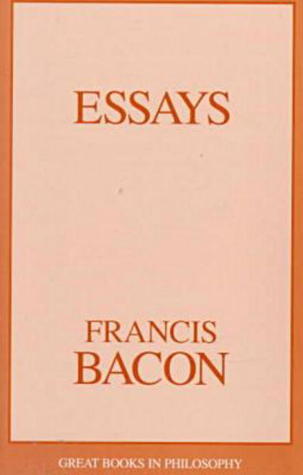
Essays
Book Description
Wisdom mingles with wit in a dazzling exploration of the human condition. Francis Bacon’s 'Essays' serves as a mirror, reflecting the complexities, contradictions, and nuances of life. Each essay is a masterclass in insight, probing themes of love, ambition, friendship, and the intricate dance of power. With sharp observations and vivid metaphors, Bacon weaves timeless truths that resonate through the ages, challenging minds to reconsider their perceptions. Can a few mere words hold the power to transform thoughts and stir the soul? Step into this intellectual odyssey and discover the profound in the commonplace.
Quick Book Summary
Francis Bacon's 'Essays' is a pioneering collection of reflections that examine the intricate workings of human nature, society, and power. Through short yet dense meditations, Bacon explores universal themes such as the pursuit of truth, the allure and dangers of ambition, the nature of friendship, the complexities of love, and the practicalities of governing and personal behavior. Each essay distills wisdom drawn from observation and experience, presented with clarity and rhetorical flourish. Bacon’s method blends philosophical insight with practical advice, encouraging readers to question assumptions, embrace moderation, and refine their understanding of themselves and the world. The 'Essays' remains a profound, relevant touchstone for personal and collective inquiry.


Summary of Key Ideas
Table of Contents
The Pursuit and Use of Knowledge
Bacon’s 'Essays' begins by tackling the central importance of knowledge and its profound impact on both personal and societal progress. He emphasizes that the search for truth is arduous but indispensable, requiring skepticism, open-mindedness, and the careful weighing of evidence. Knowledge, Bacon argues, should not be pursued as an abstract ideal but applied for practical benefit in life’s endeavors. He highlights the necessity of clear reasoning and cautions against the perils of ignorance and intellectual arrogance. The role of empirical observation and experimentation is foregrounded, foreshadowing modern scientific method, and setting the tone for Bacon’s rational, pragmatic philosophy.
Virtue, Ambition, and the Self
A recurring theme in the collection is the examination of virtue and vice within the human character. Bacon scrutinizes ambition, observing its power to inspire greatness yet also to corrupt and destroy. While ambition can fuel improvement, unchecked it breeds rivalry and unrest. He invites readers to assess their own ambitions, balance personal aspirations with civic responsibility, and cultivate humility, moderation, and self-discipline. The essays on envy, vainglory, and self-interest probe deeper into the challenges of ethical living. Bacon does not idealize virtue—but recognizes it as a continuous, difficult pursuit essential to a well-ordered life.
Power, Politics, and Governance
Turning to the public arena, Bacon explores the structure and exercise of power. He reflects on leadership, justice, and the machinations of politics, emphasizing the complex interplay between personal motives and the demands of good governance. His counsel to rulers and statesmen is pragmatic: policy must balance strength with fairness, expediency with integrity. Bacon acknowledges the realities of manipulation and factionalism, yet underscores the value of stability and wise council. His political essays offer sharp, timeless advice for those navigating the corridors of authority.
Love, Friendship, and Human Relations
Bacon’s keen observations extend to the realm of human relationships, where love and friendship emerge as powerful forces shaping individual destiny and social cohesion. He addresses the joys and dangers of romantic attachment, advocating for balance between passion and reason. Friendship, for Bacon, offers counsel, comfort, and shared wisdom—qualities critical for personal growth and success. Yet, he cautions against misplaced trust and false intimacy. The essays probe both the solace and peril found within the affections and alliances that bind people together.
Pragmatism and the Art of Living
Finally, Bacon insists on the value of practical wisdom in daily conduct. He urges prudence, adaptability, and the artful management of time and resources. Practicality, for Bacon, means learning when to act, when to wait, and how best to respond to changing circumstances. His essays reveal a deep respect for the art of living well—seeing it as a matter of ongoing cultivation, self-reflection, and the judicious pursuit of means toward worthwhile ends. The collection ultimately invites readers to consider philosophy not merely as theory, but as a vital toolkit for navigating life’s complexities.
Download This Summary
Get a free PDF of this summary instantly — no email required.