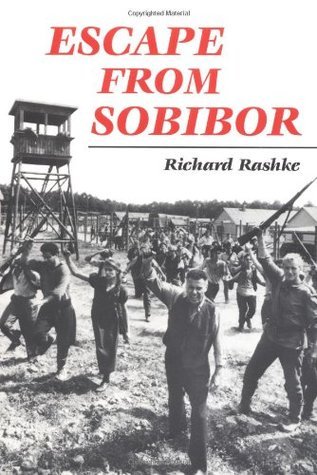
Escape from Sobibor
Book Description
Trapped in a deadly fortress, hope flickers like a candle in the dark. 'Escape from Sobibor' plunges into the harrowing tale of desperate souls fighting for survival against insurmountable odds. Amidst the horrors of a Nazi extermination camp, extraordinary acts of bravery and betrayal intertwine as prisoners plot an audacious escape. The stakes rise with every whispered plan and risky encounter, pushing friendships to their breaking point. Will they find freedom, or will fear snuff out their last chance? Experience the unyielding spirit of humanity in a story that reverberates through history—can courage truly conquer tyranny?
Quick Book Summary
"Escape from Sobibor" by Richard Rashke is a powerful nonfiction account of the largest successful prisoner revolt in a Nazi extermination camp during World War II. Through firsthand testimonies, Rashke chronicles the daily horrors endured by Jewish prisoners at Sobibor, a camp expressly designed for extermination, and their resilience in the face of relentless brutality. Central to the narrative is the organization of a daring escape, spearheaded by prisoners determined to resist their fate. The book weaves together stories of extraordinary courage, unity, and heartbreak as inmates confront unimaginable danger and betrayal, culminating in the dramatic breakout. Ultimately, "Escape from Sobibor" stands as a poignant reminder of the strength of the human spirit even in humanity's darkest moments.




Summary of Key Ideas
Table of Contents
Survival and Resistance in the Face of Genocide
Within Sobibor, existence was a daily battle against despair. Prisoners faced starvation, forced labor, and the constant threat of execution in a system designed for annihilation. Despite the overwhelming odds, the seeds of hope persisted. The Nazis' dehumanizing brutality was met with quiet acts of resistance, from smuggling food to preserving fragments of dignity and identity, laying the groundwork for the revolt.
The Complexity of Collaboration and Betrayal
The organization of the escape hinged on trust and cooperation among prisoners from diverse backgrounds. A clandestine network began to form when Soviet Jewish POWs arrived, bringing crucial military experience. Led by figures like Leon Feldhendler and Alexander Pechersky, the group meticulously formulated their plan—overcoming language barriers, differing priorities, and the ever-present fear of informants. Time was of the essence as the Nazis accelerated exterminations, tightening their grip on the camp.
Leadership and Unity Against Oppression
Interpersonal dynamics shaped the uprising's path. While many inmates exhibited extraordinary bravery, others, under coercion or desperation, collaborated with their captors or betrayed plans. Loyalty and suspicion coexisted, testing the unity essential for the escape's success. The organizers had to weigh risks, allocate critical roles, and make hard decisions about whom to trust, often under the threat of sudden death.
Personal Stories of Courage and Sacrifice
The breakout itself was fraught with chaos and sacrifice. On October 14, 1943, prisoners executed their plan: quietly assassinating key SS officers, seizing weapons, and attempting a mass escape amid confusion and gunfire. Some were killed in the attempt or hunted afterward, but about 300 prisoners managed to flee the camp; fewer than half ultimately survived the war. Their courage echoed the indomitable will to live and resist tyranny, even when victory seemed impossible.
The Enduring Impact of Memory and Testimony
Rashke’s narrative, built upon survivor accounts, memorializes both the tragedy and heroism of Sobibor. The escape shattered Nazi perceptions of control, inspiring future acts of defiance and ensuring that the voices of victims and survivors would not be lost. The book stands as testament to the enduring power of memory, honoring those who perished and those who proved that humanity can persevere—even in hell on earth.
Download This Summary
Get a free PDF of this summary instantly — no email required.