
Enlightenment Now: The Case for Reason, Science, Humanism, and Progress
Book Description
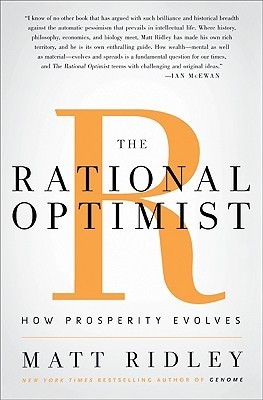
What if the world is better than ever, but we just can’t see it? In "Enlightenment Now," Steven Pinker unveils a compelling tapestry of reason, science, and humanism, shedding light on humanity's triumphs against ignorance and despair. With gripping evidence and exhilarating optimism, he navigates the remarkable progress in health, wealth, and freedom, challenging the dark narratives that cloud our vision. This book is a rallying cry for clarity and hope in turbulent times. Will you dare to believe in a brighter future, or will fear hold you back?
Quick Book Summary
"Enlightenment Now" by Steven Pinker presents a persuasive and optimistic argument that the human condition has dramatically improved thanks to Enlightenment ideals: reason, science, humanism, and progress. Pinker argues that, despite pervasive pessimism and doom-laden headlines, empirical data show vast improvements in areas such as health, wealth, safety, democracy, and happiness over time. The book challenges us to question our biases toward negativity and provides evidence that rational thinking and scientific inquiry underpin social and moral progress. Pinker warns against abandoning these principles in favor of ideology or tribalism, emphasizing that while challenges remain, humanity’s best hope lies in continuing to embrace the values that have already delivered unprecedented gains.




Summary of Key Ideas
Table of Contents
Progress is Real and Measurable
Steven Pinker starts "Enlightenment Now" by confronting the widespread perception of global decline and crisis, showing how cognitive biases, media sensationalism, and political rhetoric feed a persistent sense of doom. He urges readers to step back from anecdotes and instead look at historical data and trends. Drawing on numerous charts and statistics, Pinker details improvements in key areas like life expectancy, literacy, poverty, and violence, arguing that they paint a clear picture: human flourishing has soared, especially in the last century.
Enlightenment Ideals as Engines of Progress
Central to this progress, Pinker contends, are Enlightenment values—reason, science, and humanism—which reject superstition, embrace critical thinking, and prioritize individual well-being. These ideals have spurred an unprecedented era of problem-solving, from breakthroughs in medicine and technology to the steady expansion of human rights. Pinker illustrates how science has illuminated the world, dispelled myths, and provided tools to alleviate suffering, while humanism has inspired social reforms and the protection of the vulnerable.
The Role of Science and Reason
Pinker devotes significant attention to the dangers facing progress, primarily the resurgence of pessimism and tribalism. He explains how negativity biases make people overlook positive global trends and accept apocalyptic narratives. Tribalistic thinking, whether political or religious, can erode trust in science, foster polarization, and threaten the liberal democratic order. Pinker warns that nostalgia for an imagined golden age and resistance to modernity can undermine the very advances that have improved human lives.
Threats to Progress: Pessimism and Tribalism
He acknowledges the book is not a call for complacency; many issues—climate change, inequality, authoritarianism—still require urgent action. However, Pinker asserts that the solutions will emerge from the same Enlightenment toolkit: evidence-based reasoning, open debate, and optimism tempered with realism. He champions a worldview grounded in facts and incremental progress, rather than cynicism or utopian thinking.
Humanism’s Expanding Moral Circle
In summary, "Enlightenment Now" is a data-rich defense of optimism and rationality. Pinker's central message is that humanity's capacity for reason, science, and compassionate humanism is ultimately our greatest resource. By reaffirming our commitment to these Enlightenment ideals, Pinker believes that society can continue to build on its successes, confront its challenges, and pursue a future marked by ever-greater flourishing.
Download This Summary
Get a free PDF of this summary instantly — no email required.