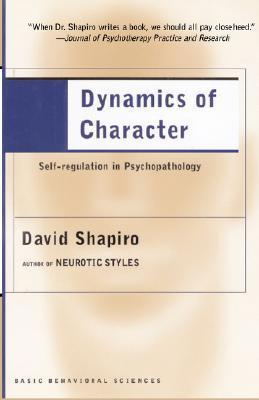
Dynamics of Character: Self-regulation in Psychopathology
Book Description
What if the struggle for control over one’s own mind could unlock the secrets to healing? *Dynamics of Character: Self-regulation in Psychopathology* dives deep into the tumultuous world of mental health, revealing how the battle for emotional balance can lead to profound transformation. Through gripping case studies and cutting-edge research, Shapiro uncovers the intricate dance between character traits and self-regulation, offering a roadmap to navigate the chaos of the mind. Can understanding the dynamics of our inner struggles ultimately illuminate a path to recovery?
Quick Book Summary
"Dynamics of Character: Self-regulation in Psychopathology" by David A. Shapiro explores the intricate relationship between character structure and mental health, focusing on the mechanisms by which individuals regulate their thoughts, emotions, and actions. Shapiro argues that character is not simply a set of innate traits, but an active, dynamic process affecting how individuals cope with internal and external challenges. By analyzing a range of psychological conditions and drawing from clinical case studies, Shapiro demonstrates how difficulties in self-regulation underlie many forms of psychopathology. He highlights the transformative potential in the struggle for self-mastery, suggesting that growth and healing are possible when individuals understand and work with their own character dynamics. Combining theoretical insight with practical examples, the book offers a nuanced roadmap for clinicians and readers interested in the complex dance between self-control, vulnerability, and transformation.


Summary of Key Ideas
Table of Contents
Character Structure as Dynamic Process
The book begins by redefining the concept of character. Instead of treating character as a static set of personality traits, Shapiro portrays it as a dynamic, evolving process. He introduces the idea that character is expressed through habitual ways of relating to oneself, others, and challenging situations. Determined by both innate disposition and formative experiences, these patterns shape how individuals perceive the world and regulate their internal states. Shapiro argues that well-regulated character enables resilience, but when these dynamics malfunction, they lay the groundwork for psychological distress.
Self-regulation and Psychopathology
Central to Shapiro's argument is that self-regulation stands at the core of both healthy personality development and psychopathology. He explores how failures in self-regulation—whether through excessive control or lack thereof—lead to manifestations of anxiety, depression, and other mental health conditions. Through an exploration of psychological mechanisms like suppression, avoidance, and overcompensation, the author shows how character strategies designed to keep distress at bay can paradoxically reinforce maladaptive cycles. Here, the self becomes both the source and the solver of its own dilemmas.
Case Studies in Emotional Struggle
Shapiro enriches his theoretical framework with detailed clinical case studies. Each case demonstrates how personal struggles with self-regulation and control can give rise to compulsions, obsessions, or emotional numbness. By tracing clients' stories, he reveals how character issues—such as rigidity, impulsiveness, or chronic self-doubt—develop as adaptations to emotional pain or life stressors. These narratives illustrate that the symptoms of psychopathology are not isolated flaws but expressions of underlying adaptive, though ultimately unhelpful, character patterns.
Interplay of Vulnerability and Control
A recurring theme in the work is the tension between vulnerability and control. Shapiro explores the psychological necessity of balancing the need to protect oneself from emotional pain with the openness required for genuine change. He emphasizes that both extremes—overcontrol or utter surrender to emotion—can be damaging. The path to healing often lies in cultivating awareness of these internal dynamics and learning to tolerate emotional complexity without defaulting to old defensive strategies.
Pathways to Healing Through Self-understanding
In his final analysis, Shapiro provides a hopeful perspective by suggesting recovery is possible when individuals gain insight into the workings of their own character. By recognizing and understanding their self-regulatory patterns, people can interrupt destructive cycles and pursue healthier means of coping. Shapiro advocates for therapeutic approaches that foster curiosity and self-compassion, inviting individuals to reframe their struggles as opportunities for growth. Ultimately, the book serves as both a theoretical guide and a practical call to engage actively in the process of self-discovery and change.
Download This Summary
Get a free PDF of this summary instantly — no email required.