
Dumbing Us Down: The Hidden Curriculum of Compulsory Schooling
Book Description
What if the very system designed to educate us is sabotaging our potential? In *Dumbing Us Down*, John Taylor Gatto pulls back the curtain on compulsory schooling, revealing a hidden curriculum that stifles creativity, critical thinking, and independence. Through vivid anecdotes and harrowing truths, he challenges the notion of education as enlightenment, exposing the grim reality of conformity and control. Schools, he argues, are not just institutions of learning; they are factories of obedience, shaping mindless citizens instead of innovators. As society teeters on the brink of mediocrity, what will it take to break free and reclaim the true purpose of education?
Quick Book Summary
"Dumbing Us Down: The Hidden Curriculum of Compulsory Schooling" by John Taylor Gatto is a searing critique of the American public education system. Drawing on his experiences as an award-winning teacher, Gatto argues that mandatory schooling does not foster genuine learning or creativity. Instead, it enforces conformity, dependency, and mediocrity. Through compelling anecdotes and analysis, Gatto exposes a "hidden curriculum" in schools: a set of unspoken lessons that discourage independence and critical thought. He contends that this system shapes students into obedient citizens who follow orders rather than innovate or think for themselves. The book challenges readers to reconsider the goals of education, advocating for community-based learning, family involvement, and self-directed knowledge seeking as alternatives to traditional schooling.

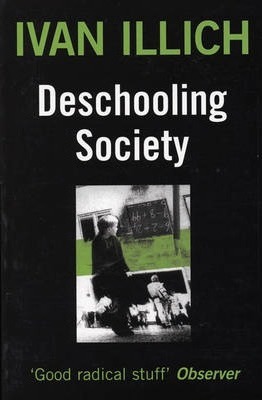

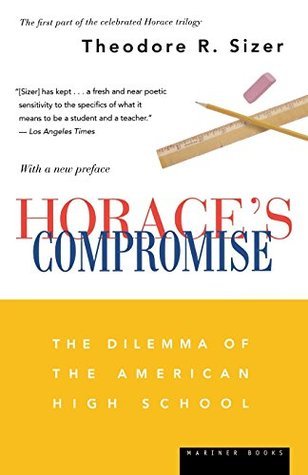

Summary of Key Ideas
Table of Contents
The Hidden Curriculum of Obedience and Conformity
Gatto opens his critique by deconstructing the structure of compulsory education, highlighting how its primary effect is to enforce obedience and conformity rather than nurture curiosity or unique talent. He draws on classroom experiences to show that schools, through their rigid schedules and repetitive curricula, teach children to follow instructions, wait for external validation, and suppress their individual voices. These unspoken lessons make up the "hidden curriculum"—values and behaviors ingrained not through teaching, but through institutional design.
The Destruction of Curiosity and Creativity
He argues that this system systematically destroys curiosity and creativity. Children, naturally inclined to explore and innovate, lose their spark under constant surveillance and standardized testing. Gatto reveals how the emphasis on grades and external measures leads students to value compliance over understanding, stunting their drive for real learning. Over time, schools train students to seek approval while discouraging risk-taking and original thought.
The Role of Family and Community in True Education
Gatto questions the common belief that schooling equals education, warning that equating the two obscures the deeper problems of mandatory systems. He insists that genuine education is distinct from the rote learning and superficial metrics valued by schools. True education, he claims, is motivated by intrinsic curiosity and facilitated by mentors, community, and real-world experiences that can't be packaged into standard curricula.
The Myth of Schooling as Education
Central to Gatto’s message is the importance of family and community in fostering authentic learning. He advocates for parents and local communities to reclaim their role in children’s intellectual and moral development, rather than outsourcing fully to institutions. By involving multiple generations and experiences, communities can provide more holistic, relevant, and humane forms of education that schools simply cannot replicate.
Alternatives to Compulsory Schooling
In its concluding arguments, "Dumbing Us Down" encourages exploration of alternatives to compulsory schooling. Gatto highlights successful examples of self-directed learning, apprenticeship models, homeschooling, and experiential education. He calls for a radical reevaluation of education’s purpose, suggesting that we move towards systems that nurture autonomy and critical thought, ultimately empowering individuals to contribute meaningfully to society rather than simply comply with it.
Download This Summary
Get a free PDF of this summary instantly — no email required.