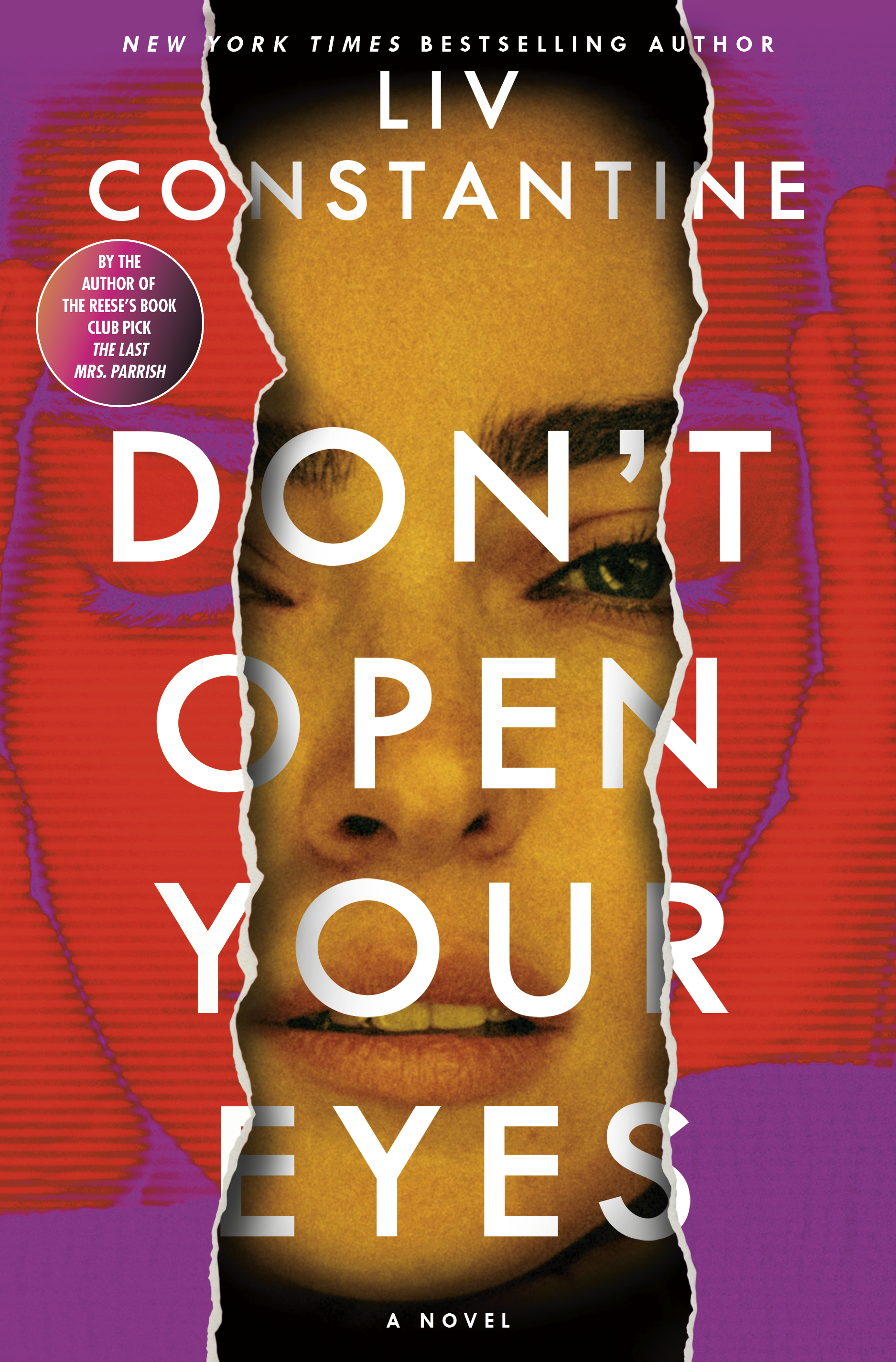
Don't Open Your Eyes
Book Description
What happens when trust dissolves into terror? In "Don't Open Your Eyes," an idyllic weekend getaway unravels into a web of deception and betrayal. As tensions rise among close friends, buried secrets claw their way to the surface, igniting a fierce battle for survival. With each shocking revelation, paranoia blindsides the group, turning love into suspicion and friendship into a deadly game. An unseen menace lurks just beyond their gated sanctuary, reminding them that not everything is as it seems. As darkness descends, who will make it out alive, and at what cost? Secrets can shatter lives—will they be able to survive theirs?
Quick Book Summary
In "Don't Open Your Eyes" by Liv Constantine, a group of longtime friends gathers for a weekend retreat, yearning for relaxation and reconnection. As the night progresses, old wounds are reopened and relationships strained under the weight of hidden secrets. When one of the friends disappears and a series of mysterious events occur, trust is replaced by paranoia. Desperate to uncover the truth, the remaining group descends into a psychological game of survival. With each revelation, alliances shift and suspicions mount, exposing the darkness that lurks beneath their carefully constructed facades. This taut psychological thriller masterfully explores betrayal, fear, and the consequences of secrets, as the friends struggle to discern who — or what — is threatening their lives.




Summary of Key Ideas
Table of Contents
The Fragility of Trust Among Friends
The story opens with a seemingly innocuous weekend getaway: five close friends, bound by years of shared experiences, gather at a secluded luxury villa. As the sun sets, their gathering quickly veers off-script. Old tensions resurface, fueled by jealousies, rivalry, and the unspoken disappointments that have simmered below the surface of their relationships. Constantine deftly illustrates how the comfort of familiarity can be undermined by unresolved issues, creating cracks in the group’s unity.
The Destructive Power of Secrets
As the night progresses, an unsettling atmosphere takes hold. A storm traps the friends inside the villa, and their isolation is compounded by traces of an unknown presence on the property. One of the friends goes missing, leaving behind cryptic clues and panic in her wake. The bonds of trust fray as each character becomes both a suspect and a potential victim. Fear is palpable, and the group fractures under the pressure, as everyone wonders if someone among them is orchestrating their fear.
Paranoia and Psychological Manipulation
Secrets become the central currency as the narrative unfolds. The discovery of carefully guarded secrets — infidelity, financial deception, betrayals — upends loyalties. Each revelation is met with denial and deflection, escalating tensions and paranoia. Constantine employs shifting perspectives to peel back the layers of each character, allowing the reader to glimpse the vulnerability and culpability underpinning their actions. Now mistrusting both themselves and one another, the group’s survival depends on confronting the truths they most wish to keep hidden.
The Blurred Line Between Victim and Villain
As suspicion takes hold, psychological manipulation becomes a weapon. Characters leverage fear and uncertainty to influence each other, blurring the line between victim and villain. Constantine injects the story with constant reversals and red herrings, keeping the reader questioning motive and means. The characters grapple with guilt, second-guessing their perceptions as alliances shift unpredictably. The unseen menace is both external and internal, manifesting in the group’s increasingly irrational responses.
Survival Instincts in Isolated Danger
The climax brings desperation to the forefront. With danger closing in, the friends are forced to make hard choices, prioritizing self-preservation over loyalty. The psychological toll of the ordeal leaves them forever changed — both scarred and strangely freed by the airing of their darkest truths. In the end, the story asks whether any of them can truly recover from the night’s chaos, and whether survival is worth the cost of revealed secrets and shattered bonds.
Download This Summary
Get a free PDF of this summary instantly — no email required.