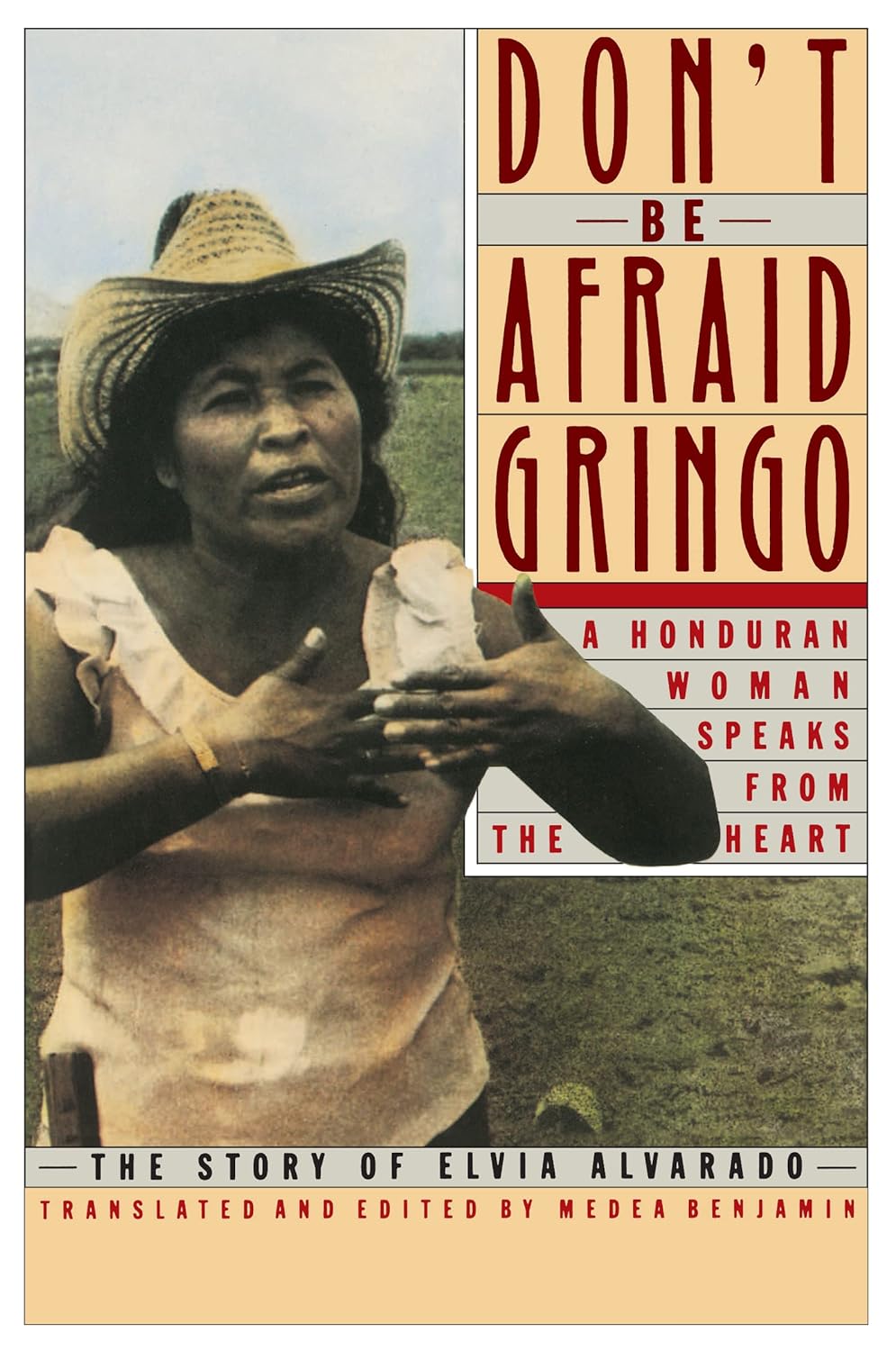
Don't Be Afraid, Gringo
Book Description
Fear grips a small Nicaraguan village as powerful forces clash over land and rights, leaving struggles and sacrifices in their wake. Elvia Alvarado paints a vivid portrait of resilience and defiance in “Don't Be Afraid, Gringo,” where the fight for justice intertwines personal stories of hardship, hope, and unwavering courage. Amidst the chaos, bonds are tested as communities rally against oppression, each day a battle that could change everything. Will the fire of revolution ignite a new dawn, or will despair extinguish the dream of freedom? The stakes have never been higher—who will rise to the challenge?
Quick Book Summary
"Don't Be Afraid, Gringo" is an inspiring first-person memoir by Elvia Alvarado, a Honduran peasant woman and activist, chronicling her struggle for land reform and social justice amid poverty and political turmoil in Central America. Through Alvarado’s voice, translated and contextualized by Medea Benjamin, the narrative explores the daily hardships faced by rural communities confronted by powerful landowners, government forces, and outside interference. Alvarado shares stories of organizing fellow campesinos, surviving repression, and enduring personal loss, all while advocating for basic human rights and dignity. The book offers an intimate portrait of resistance, highlighting the key role of women, the power of community, and the enduring hope for change, making it a powerful testament to grassroots activism.





Summary of Key Ideas
Table of Contents
Struggle for Land and Justice
Elvia Alvarado’s memoir brings readers into the heart of rural Honduras, where land ownership is the root of ongoing tensions and conflict. The book reveals how deep-rooted inequalities have left poor peasants struggling to survive on tiny plots while powerful elites control vast expanses. Alvarado describes her early life amid poverty and her growing realization that changing the system required collective action. Attempts to organize peasant communities to demand land reform lead to confrontations with authorities and violent crackdowns, exposing the moral and physical dangers of challenging entrenched interests.
Role of Women in Social Movements
Central to Alvarado’s account is the critical role of women in the movement for justice. Defying traditional gender roles, she and other women assert leadership in organizing meetings, marches, and land occupations, often at great personal risk. The memoir details the everyday courage required to balance activism with family responsibilities. Alvarado’s narrative challenges cultural norms and highlights the sacrifices, strength, and resilience of women who become the backbone of their communities’ resistance.
Impact of Foreign Intervention and Repression
The book delves deeply into the impact of foreign intervention and military repression on Honduran society. Alvarado contextualizes her story by describing US involvement in the region, including military aid and the presence of US-backed forces that fuel instability and perpetuate injustice. The memoir illustrates how government authorities use violence, intimidation, and imprisonment to stifle dissent, forcing activists and their families to navigate constant threats while clinging to hope for a better future.
Community Solidarity and Grassroots Activism
Alvarado emphasizes the power of community solidarity and grassroots activism. She recounts the painstaking process of building trust among campesinos, educating neighbors on their rights, and forging alliances across villages. Through anecdotes, she shows how collective organizing not only challenges landowners and politicians, but also fosters a sense of unity and shared purpose. These bonds help communities withstand external pressure, illustrating how change stems from the will of ordinary people working together.
Personal Resilience Amid Hardship
Through moments of triumph and loss, Alvarado’s personal resilience shines. Her voice is candid about fear, hunger, and moments of despair, but also unwavering in its commitment to justice. The memoir concludes with her belief in the necessity of continued struggle, even when victory seems out of reach. Alvarado’s story stands as a testament to the enduring spirit of those who dare to dream of a fairer world, inspiring readers to recognize the transformative power of hope and collective action.
Download This Summary
Get a free PDF of this summary instantly — no email required.