
Discourses, Fragments, Handbook
Book Description
Imagine a world where your thoughts dictate your reality. "Discourses, Fragments, Handbook" by Epictetus delivers powerful insights that challenge the very fabric of existence. With piercing clarity, Epictetus reveals how to master the chaos of life through stoic philosophy, urging a profound shift in perspective. Confront fear, embrace pain, and find freedom in acceptance. Each fragment resonates with the pulse of untamed emotions and the quest for inner peace, weaving together lessons that echo through time. Are you ready to unlock the strength within and conquer the tumultuous battle of the mind?
Quick Book Summary
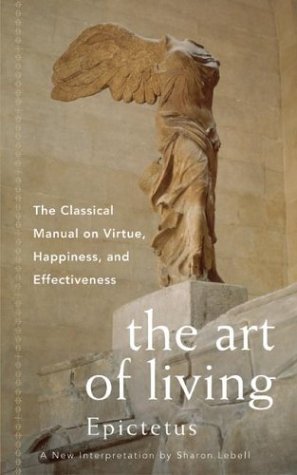
"Discourses, Fragments, Handbook" by Epictetus is a foundational text of Stoic philosophy, guiding readers to cultivate tranquility and resilience in a tumultuous world. Epictetus emphasizes the importance of focusing on what is within our control—our own thoughts and actions—while accepting external events with equanimity. With sharp, memorable teachings across its three parts, the book encourages living in accordance with nature, the development of virtue as the highest good, and confronting emotions like fear and pain through rational reflection. These timeless lessons inspire readers to reframe challenges and pursue inner freedom, offering practical wisdom for achieving peace of mind and steadfastness in the face of adversity.



Summary of Key Ideas
Table of Contents
Distinguishing Between What We Can and Cannot Control
At the heart of Epictetus’s teachings is the crucial distinction between things within our control—such as our impulses, judgments, and actions—and those beyond it, like external events or other people’s behavior. By focusing energy only on internal factors, individuals can maintain composure and clarity regardless of circumstances. Epictetus teaches that frustration and distress arise from trying to shape what is inherently uncontrollable. Acceptance and disciplined attention to one’s own conduct form the foundation of the Stoic pathway to serenity.
Cultivating Virtue and Character
Virtue, in Epictetus’s framework, is paramount. He insists that character and moral integrity are the true measures of a person’s worth. External things—wealth, status, or even health—are "indifferents" and do not contribute to genuine happiness. Instead, excellence of character, achieved through the consistent practice of wisdom, courage, justice, and temperance, leads to lasting fulfillment. Epictetus repeatedly urges self-examination and honesty, guiding readers to align actions with their highest values regardless of external rewards.
Embracing Adversity and Change
Confronting adversity and pain is an inevitable part of human existence, but Epictetus encourages embracing these hardships as opportunities for growth. He reframes obstacles not as harms, but as chances to exercise and strengthen virtue. Adopting this perspective, individuals can transform setbacks into stepping stones toward greater resilience. The Stoic sage is depicted as one who remains unshaken by fortune’s winds, responding to challenges with composure and adaptability.
Managing Emotions Through Reason
Rational reflection is central to Epictetus’s advice on managing the passions—strong, often destructive emotions like anger, fear, or grief. Instead of suppressing feelings, he teaches careful scrutiny and reappraisal. By recognizing that negative emotions stem from faulty beliefs or expectations, individuals can correct their thinking and regain tranquility. This cognitive approach to self-mastery foreshadows modern psychological techniques and underpins much of Stoic self-help practice.
The Pursuit of Inner Freedom
Ultimately, Epictetus’s writings chart a path to inner freedom. By relinquishing unhealthy attachments to outcomes and external validation, his philosophy promises liberation from disappointment and dependency. True autonomy arises from living in accordance with reason and nature, fulfilling one’s role with integrity and grace. Through pragmatic exercises and memorable anecdotes, Epictetus vividly illustrates how to rise above the chaos of the external world and achieve enduring peace within.
Download This Summary
Get a free PDF of this summary instantly — no email required.