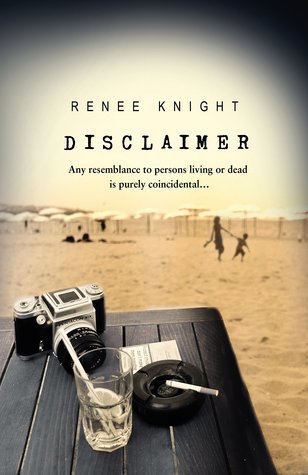
Disclaimer
Book Description
A chilling secret lies within the pages of a book that mysteriously finds its way into an unsuspecting woman's hands. As her life spirals into chaos, the lines between reality and fiction blur, revealing dangerous truths that threaten her very existence. When past traumas collide with an unsettling narrative, trust shatters, and every friendship comes into question. Dark obsessions unravel in a suspenseful race against time, where alliances shift and motives are hidden in shadows. What happens when the story you read hits too close to home—can anyone be trusted, or will the truth destroy everything?
Quick Book Summary
In “Disclaimer” by Renée Knight, Catherine Ravenscroft’s orderly life is turned upside down when she discovers a novel on her nightstand whose events mirror her own closely guarded past. As she reads, Catherine realizes that this is no coincidence; someone knows her darkest secret and is determined to expose it. The book meticulously details a traumatic event Catherine believed was buried forever, raising the stakes as her family and professional life begin to unravel. Paranoia and fear dominate as Catherine desperately seeks to uncover the author’s identity and motive. The lines between fiction and reality blur as her trust in those closest to her shatters, ultimately forcing her to confront painful truths and the consequences of past actions in a suspenseful, twisting psychological drama.



Summary of Key Ideas
Table of Contents
The Consequences of Hidden Secrets
Catherine Ravenscroft leads a successful and stable life until she finds a mysterious novel in her home. As she delves into its pages, she is horrified to discover it recounts, with chilling accuracy, a traumatic incident from two decades before—one she had worked hard to bury. The author’s knowledge of these private events is an immediate threat, setting off a chain reaction as Catherine realizes someone close is determined to dredge up her painful history and dismantle her carefully constructed world.
Obsession and Revenge
The book’s existence drives Catherine into isolation and paranoia. With each chapter, her anxiety grows, straining her relationships—especially with her husband and son, who are increasingly pulled into the spiral of suspicion and mistrust. The narrative alternates between Catherine and Stephen Brigstocke, a widower fixated on exposing her, revealing how past grief and unresolved trauma can breed dangerous obsessions. As Stephen’s motives become clearer, it’s evident that revenge and a desire for justice are powerful forces manipulating both their lives.
The Unreliability of Memory
Throughout the novel, memory and perspective play crucial roles. Catherine’s recollections are challenged as the novel’s retelling diverges from her own memories, causing her to question not only the present but also her understanding of the past. This unreliability injects a layer of psychological suspense, making the truth elusive both to the characters and the reader. As the characters’ versions of events clash, the real story behind the fateful incident unravels slowly, heightening the tension and ambiguity.
Blurred Lines Between Reality and Fiction
The boundary between fiction and reality is deliberately blurred in “Disclaimer.” The inserted book serves as both a triggering device and an ominous character in its own right, manipulating not just Catherine but also those around her. The story becomes a meta-commentary on narrative power: how stories can hurt, heal, expose, and destroy. The cast’s increasing inability to distinguish between the written word and real life propels the suspense and drives home the devastating effects of secrets left untold.
Trust and Betrayal
At its core, “Disclaimer” is a tale about trust, betrayal, and the corrosive nature of buried truths. As Catherine races to untangle the identity and motive behind her tormentor, alliances shift and motives are pieced together with harrowing clarity. The final revelations force Catherine—and the reader—to grapple with accountability, forgiveness, and the ripple effects of past actions. In the end, the novel asks: how well can we ever truly know those closest to us, and what price do we pay for concealing the truth?
Download This Summary
Get a free PDF of this summary instantly — no email required.