
Degree of Guilt
Book Description
Betrayal simmers in a high-stakes courtroom where love and ambition collide. A brilliant but controversial defense attorney faces the ultimate challenge when his estranged wife becomes the prime suspect in a shocking murder case. Tension escalates as secrets unravel, dragging their complicated past into the present and testing loyalties in unexpected ways. Every witness holds a key, every revelation cuts deeper, and the weight of guilt hangs heavy. As the trial intensifies, the line between justice and revenge blurs, forcing choices that could shatter lives. Can truth really emerge from a web of deceit, or does guilt have its own price?
Quick Book Summary
"Degree of Guilt" by Richard North Patterson is a masterfully crafted legal thriller that dives into the complex world of a high-profile murder trial. When renowned defense attorney Christopher Paget is enlisted to defend Mary Carelli, his estranged wife and famous journalist, he becomes enmeshed in a case that is as personal as it is perilous. Mary stands accused of murdering TV producer Mark Ransom, a man with a dark past and ties to Mary's own secrets. As the courtroom drama unfolds, personal betrayals and hidden motives surface, placing careers, reputations, and lives on the line. The narrative weaves through layers of deception, ambition, and loyalty, forcing both characters and readers to confront the ambiguous boundaries between justice and vengeance.


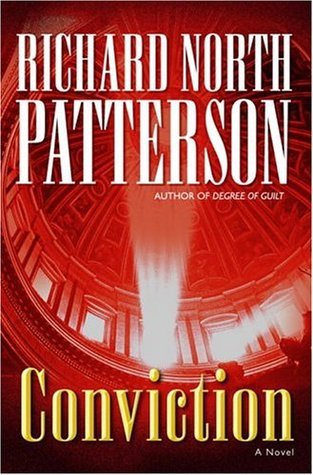


Summary of Key Ideas
Table of Contents
The Complexity of Justice and Morality
Christopher Paget’s life is thrown into turmoil when he is called to defend Mary Carelli, his brilliant but estranged wife, who is charged with the murder of television personality Mark Ransom. The case draws national attention due to the prominence of both the accused and the victim, as well as the sensational circumstances of the crime. As Christopher begins to investigate, he discovers that Mary’s relationship with Ransom was tumultuous, hinting at darker motives both personal and professional. This opening section sets the stage for a legal battle that will test everything Christopher believes about the law and those closest to him.
The Impact of Personal Relationships on the Legal System
The intertwining of personal and professional loyalties is examined as Christopher and Mary face the repercussions of their shared past and present decisions in the public forum of the courtroom. Their complicated history becomes fodder for prosecutors and the media, laying bare vulnerabilities and long-standing resentments. The trial forces Christopher to navigate not only the evidence at hand but also his tangled emotions, as the distinction between defending a client and protecting someone he once loved becomes increasingly blurred. The involvement of their son and extended families adds pressure, raising the emotional stakes.
The Burden and Nature of Guilt
As the prosecution builds its case, the narrative meticulously explores the theme of guilt—not just legal guilt, but also moral and emotional culpability. Witnesses provide conflicting testimonies, and every revelation uncovers deeper layers of deceit and manipulation. The story delves into the ways in which all the central characters, including the judge, attorneys, and witnesses, are shaped by ambition, fears, and their own private agendas. These ulterior motives threaten to sway the course of justice, complicating Christopher’s pursuit of the truth.
Manipulation and Power Dynamics
Manipulation and power rise to the forefront as secrets from Mary’s past and Ransom’s predatory behavior are revealed in court. The line between victim and perpetrator blurs, challenging the jury and Christopher to reconsider notions of innocence and justification. The courtroom becomes a stage for psychological warfare, where each strategy and revelation could tip the balance. As the trial progresses, both Christopher and Mary must confront the choices that led them to this point, questioning whether true justice can ever be achieved when everyone carries some degree of guilt.
Truth, Lies, and the Search for Redemption
In the aftermath of the verdict, the characters are left to grapple with the consequences of the trial and its revelations. The book concludes with an exploration of redemption—how individuals move forward after devastation, and what it means to accept responsibility for past actions. The outcome forces everyone involved to reassess their beliefs about justice and the extent to which truth can emerge from a web of lies. In revealing the high personal cost of legal battles and moral compromise, "Degree of Guilt" lays bare the human capacity for resilience and forgiveness amidst the ruins of betrayal.
Download This Summary
Get a free PDF of this summary instantly — no email required.