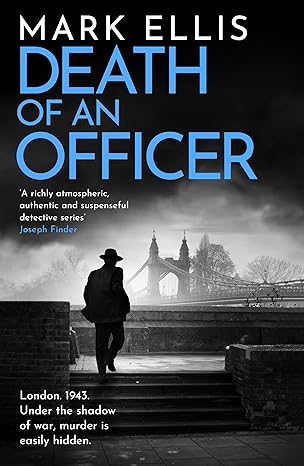
Death of an Officer
Book Description
Amidst the shadows of a bustling 1950s police precinct, an officer’s unexpected death stirs a tempest of secrets and betrayal. As whispers of corruption echo through the thin walls, Detective Rocco Mastrangelo is thrust into a web of deceit that stretches to the highest ranks of power. Each clue unveils a chilling conspiracy that not only threatens his career but also the very fabric of justice. Tensions rise, loyalties are tested, and the line between right and wrong blurs. With time running out and danger lurking at every corner, can Mastrangelo unmask the truth before he becomes the next victim?
Quick Book Summary
"Death of an Officer" by Mark Ellis is a gripping contemporary mystery set in the gritty world of a 1950s police precinct. The novel follows Detective Rocco Mastrangelo as he investigates the suspicious death of a fellow officer, unraveling a tangled web of secrets, corruption, and betrayal within the police force. Facing mounting pressure from both his peers and superiors, Rocco must navigate layers of deception and moral ambiguity to get to the truth. As each clue exposes further dangers, Rocco risks not only his career but also his life, unsure of whom he can trust. The novel explores themes of loyalty, justice, and the high personal cost of integrity in a deeply flawed institution.



Summary of Key Ideas
Table of Contents
Corruption and Betrayal within Institutions
Detective Rocco Mastrangelo is jolted into action when an officer is found dead under circumstances that seem more sinister than accidental. The precinct, usually noisy and bustling, is shadowed by tension as rumors of foul play and corruption sweep through its ranks. Rocco’s initial investigation, driven by a sense of justice for his fallen colleague, quickly uncovers inconsistencies at the crime scene and evasiveness among witnesses. Dark secrets begin to surface, suggesting that the precinct’s culture is riddled with rot at the highest levels.
The Search for Justice Amid Ambiguity
As Rocco delves deeper, he becomes caught between the loyalty he feels toward his fellow officers and the harsh reality of systemic corruption. His every move is watched; alliances shift unpredictably, and the line between friend and enemy blurs. Rocco uncovers a pattern of bribes, coverups, and abuse of power implicating several respected officials. The tension intensifies as his pursuit of the truth places him at odds with those who should have been his protectors.
Personal Sacrifice and the Cost of Integrity
The investigation forces Rocco to confront his own values, challenging his beliefs about justice and duty. He is forced to make painful choices, risking his reputation, friendships, and even his safety in his relentless drive to bring the culprits to justice. As the stakes escalate, Rocco’s sense of isolation grows, and he must reconcile his dedication to the law with his personal ethics, even as those around him urge him to abandon the case.
Loyalty and Distrust Among Colleagues
With the conspiracy exposed, Rocco’s journey deepens into a personal trial—a test of character that leaves him changed. The cost of integrity becomes apparent as he faces betrayal from unexpected quarters and alienation within the institution he has served. The climax reveals not only the perpetrators, but also lays bare the systemic failures and human weaknesses that allowed such corruption to flourish. Rocco emerges battered but resolute, understanding that true justice sometimes comes at a high price.
The Tension Between Duty and Morality
In the aftermath, the precinct is forced to reckon with its own complicity. Rocco, though scarred by the experience, gains a renewed if sobering belief in the need for accountability and vigilance, both personally and within law enforcement. The novel closes with a sense of hard-earned wisdom; justice is not always clear-cut, but the pursuit of truth—however perilous—remains an essential, if lonely, endeavor.
Download This Summary
Get a free PDF of this summary instantly — no email required.