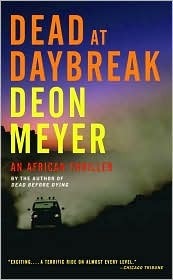
Dead at Daybreak
Book Description
A deadly game of cat and mouse unfolds as a seasoned detective races against time to unravel a chilling murder spree in South Africa. With trust shattered and alliances tested, tensions rise as the clock ticks down. Each clue leads deeper into a dark underworld where betrayal lurks at every turn. Relationships fray, loyalties shift, and the line between justice and vengeance blurs. As the sun rises, will the truth emerge, or will another life be lost to the shadows? A gripping question hangs in the air: Who will survive when the dawn breaks and the killer strikes again?
Quick Book Summary
"Dead at Daybreak" by Deon Meyer is a riveting South African crime thriller that follows ex-cop and investigator Zatopek van Heerden. Hired to solve the cold case of a murdered armory supervisor, van Heerden is pulled into a dangerous cat-and-mouse game that resurrects not only the victim’s hidden secrets but also his own troubled past. As the narrative alternates between Zatopek’s personal struggles and the gripping investigation, the story reveals a complex web of betrayal, shifting alliances, and moral ambiguity. Van Heerden battles his own demons and fractured relationships while racing to uncover the truth and prevent further bloodshed. The novel masterfully intertwines psychological depth with relentless suspense, set against the unique and volatile backdrop of contemporary South Africa.




Summary of Key Ideas
Table of Contents
The Impact of the Past on the Present
The legacy of the past looms large in "Dead at Daybreak." The cold case at the heart of the novel serves as a catalyst, forcing protagonist Zatopek van Heerden to re-examine both the victim’s and his own history. The narrative delves deeply into how unresolved trauma, secrets, and pivotal life events continue to haunt characters, influencing their decisions and shaping the present. Van Heerden’s journey is as much an exploration of his psyche as it is a quest for justice, with the investigation propelling him to confront memories he has long tried to suppress.
Trust, Betrayal, and Shifting Loyalties
Trust is a scarce commodity in the novel. As van Heerden moves through a world riddled with corruption and moral decay, relationships are put to the test. Allies can become enemies, and enemies can offer unexpected assistance. Betrayal is a constant threat, making the detective’s work perilous both emotionally and physically. The shifting landscape of loyalties challenges van Heerden’s instincts and complicates the pursuit of truth, forcing him to question the motives of those around him, and even his own judgments.
Moral Ambiguity and the Nature of Justice
The blurred line between justice and vengeance pervades the investigation. As clues emerge, the ethical boundaries that define right and wrong are increasingly called into question. Van Heerden must navigate a world where justice is not always delivered by legal means, and where personal vendettas threaten to overshadow the law. The moral ambiguity adds depth to the thriller, with both the detective and other players in the story facing choices that test their integrity and values.
The Rugged South African Setting
South Africa itself is more than just a backdrop; it is a character in its own right. Meyer’s vivid descriptions of the cityscapes and countryside evoke a place rife with tension and diversity. The country’s post-apartheid social dynamics, lingering inequality, and cultural complexity add richness to the narrative and inform the motivations of the characters. The ever-present threat of violence and instability heightens the suspense and mirrors the internal struggles of the protagonist.
Personal Redemption and Coping with Trauma
Ultimately, "Dead at Daybreak" is a story of personal redemption. Van Heerden’s involvement in the case forces him to come to terms with his anger, loss, and disconnection from society. The investigation is a crucible that tests his resilience and capacity for healing. Through confronting both external danger and internal pain, van Heerden emerges transformed. The novel closes with a sense that while the truth can be elusive and justice imperfect, redemption and acceptance are hard-won but possible.
Download This Summary
Get a free PDF of this summary instantly — no email required.