
Dawn
Book Description
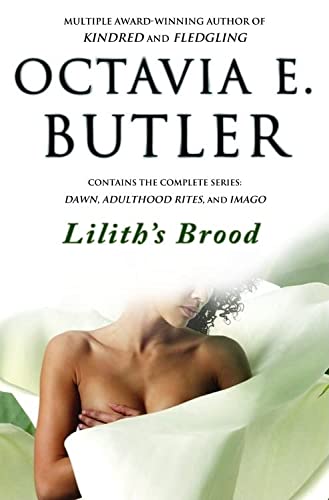
Awakening in a world ravaged by humanity’s own making, Lilith Iyapo finds herself torn between two species—humans and the enigmatic alien Oankali. As she grapples with the burden of resurrecting her kind, treachery and betrayal lurk in every corner. The Oankali offer salvation, but at an unimaginable cost. Struggling with her identity, Lilith must navigate the treacherous dynamics of trust and power, igniting a battle for the very essence of being human. In a world where survival means making impossible choices, will she become the savior humanity needs, or a pawn in a cosmic game? What sacrifices truly define our humanity?
Quick Book Summary
"Dawn" by Octavia E. Butler is a provocative exploration of human nature, identity, and survival set in a post-apocalyptic world. Lilith Iyapo, a survivor of Earth's near-destruction, awakens aboard an alien spacecraft run by the Oankali—a species determined to save humanity, but on their own terms. Lilith is chosen by the Oankali to help other humans adapt to this new order and face the difficult reality of genetic merging with alien beings. Caught between her loyalty to humanity and the Oankali's vision, Lilith struggles with questions of consent, autonomy, and what makes us truly human. Butler weaves complex themes of trust, betrayal, and adaptation, forcing both Lilith and readers to consider the real price of survival and what sacrifices are necessary to ensure a future.

Summary of Key Ideas
Table of Contents
Human Identity and Transformation
Lilith Iyapo wakes to find herself in a sterile, unfamiliar room, her memories fragmented. She soon learns she has been revived hundreds of years after a catastrophic war that ravaged Earth. Her rescuers are the Oankali, an enigmatic race of aliens who have saved the last remnants of humanity. The Oankali’s intentions are complicated: they intend to repopulate Earth with humans, but only after combining their own genes with those of humankind. This plan forces Lilith and the surviving humans to confront the possibility of losing their very identities to ensure survival.
Consent and Power Dynamics
The Oankali do not simply rescue the humans; they keep them under close observation and control. Lilith becomes the reluctant leader in the Oankali’s experiment, tasked with preparing her fellow humans to adapt to their circumstances and to eventual resettlement on Earth. She faces the immense challenge of gaining the humans’ trust while being viewed as a collaborator with their captors. This role puts her at odds with her own people, who see the Oankali as jailers and fear the loss of autonomy, and she finds herself grappling with guilt and loneliness.
Trust, Betrayal, and Survival
Consent and power are recurring issues as Lilith negotiates with the Oankali, who believe they are acting for the greater good. The aliens approach interactions with what they perceive as openness, but their overwhelming power and knowledge render human consent troublingly ambiguous. As Lilith and others are exposed to the Oankali’s advanced abilities—including genetic alteration and chemical manipulation—the boundaries of choice blur, raising complex ethical questions about free will in the face of survival.
Genetic Merging and the Ethics of Evolution
Tension escalates as Lilith’s group resists both the Oankali and Lilith herself, culminating in acts of rebellion, betrayal, and violence. The situation forces a reevaluation of what it means to be human in the presence of a species that sees humanity’s destructive tendencies as a genetic flaw. The prospect of hybrid children—neither truly human nor entirely Oankali—symbolizes both hope and loss, an uneasy promise of renewal. Lilith’s own ambivalence about her role and future encapsulates the novel’s exploration of identity, adaptation, and the necessity of change.
Adaptation to the Unknown
In the end, Lilith’s journey reflects humanity’s struggle with radical adaptation. Confronted with impossible choices, she must decide how much to compromise to ensure her people’s survival and what sacrifices are justified. "Dawn" challenges readers to question the essence of humanity and the costs of progress, suggesting that survival may require surrendering parts of ourselves while forging uneasy bonds with the unknown.
Download This Summary
Get a free PDF of this summary instantly — no email required.