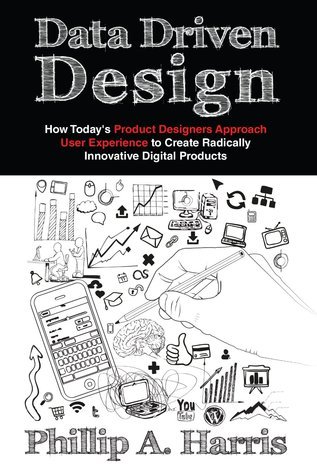
Data Driven Design: How Today's Product Designer Approaches User Experience
Book Description
Unlock the secrets of exceptional design and transform user experiences forever. In a world where every click counts and every interaction matters, “Data Driven Design” unveils the powerful techniques modern product designers leverage to create intuitive and engaging solutions. Dive into captivating case studies and explore the unexpected ways data can ignite creativity, challenge assumptions, and fuel innovation. Witness the battle between intuition and analytics, where the fate of designs hinges on understanding users like never before. Are you ready to see how data can reshape the way we connect, create, and ultimately captivate audiences?
Quick Book Summary
"Data Driven Design" by Phillip A. Harris empowers product designers to harness quantitative and qualitative insights to craft superior user experiences. The book demystifies the integration of data into the creative process, showing how information from user behaviors, feedback, and metrics can ignite innovation rather than stifle it. Using real-world case studies, Harris illustrates the evolving relationship between intuition and analytics within design teams. He explains how hypothesis-driven iteration, careful measurement, and a deep understanding of user needs can lead to more delightful and effective products. Ultimately, the book equips designers with the mindset and tools necessary to balance their creative instincts with data-driven rigor, resulting in products that both captivate users and achieve business goals.



Summary of Key Ideas
Table of Contents
The Marriage of Data and Creativity
The author begins by dispelling the myth that data stifles creativity in design. Instead, he claims that when wielded effectively, data provides unprecedented insights into user behavior, preferences, and pain points. This empirical foundation enables designers to make informed decisions that enhance rather than restrict their creative process. Through compelling anecdotes, the book shows how teams have unlocked innovative solutions by analyzing how real users interact with digital products, resulting in more engaging and intuitive interfaces.
Balancing Intuition with Analytics
Central to Harris’s approach is the delicate balance between intuition and analytics. The book discusses how designers can leverage their experience and gut instincts while grounding their choices in objective metrics. Case studies illustrate scenarios where pure intuition failed and others where analytics alone missed crucial aspects of the user experience. Harris emphasizes that the most impactful designs emerge from a synergy of both, encouraging designers to challenge their biases and validate or refine their ideas with data.
Iterative User-Centered Design
A major theme is iterative, user-centered design, where hypotheses about user needs and solutions are continuously tested and improved. Harris outlines practical techniques such as A/B testing, user journey mapping, and rapid prototyping that allow teams to efficiently gather evidence and iterate. He demonstrates how these cycles foster experimentation and learning, ultimately leading to more polished and effective products.
Transforming Feedback into Innovation
Feedback is not merely about validating existing ideas, but about unveiling new directions for innovation. Harris explores ways designers can cultivate a culture of open-mindedness, transforming user feedback—both positive and negative—into actionable insights. By championing experimentation, teams can turn unexpected results or user critiques into opportunities for creative breakthroughs, keeping products relevant and user-centered.
Empowering Designers with Metrics
The book concludes by advocating for more empowerment of designers through the access and intelligent use of data. Harris encourages organizations to break down silos between design, analytics, and product teams. He provides guidance on developing metrics that truly reflect user value, stressing that when designers are equipped with the right tools and information, they can drive impactful change and create richer, more meaningful digital experiences.
Download This Summary
Get a free PDF of this summary instantly — no email required.