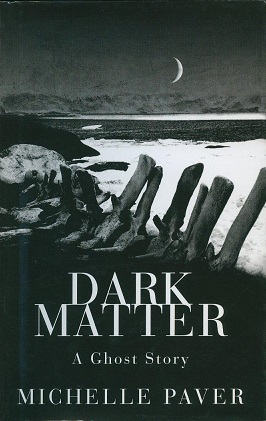
Dark Matter: A Ghost Story
Book Description
A remote expedition in the desolate Arctic, where the haunting chill of the wind mingles with the echo of the past—this is where terror unfolds. As the members of the ill-fated crew grapple with isolation, hunger, and encroaching madness, a sinister presence lurks in the shadows, feeding on their fears. Friendships fracture, secrets surface, and every heartbeat reverberates with the dread of the unknown. Can they confront the dark specter haunting their camp, or will the icy expanse consume them? In a world where survival hangs by a thread, what nightmares are waiting just beyond the edge of sanity?
Quick Book Summary
Set in 1937, "Dark Matter: A Ghost Story" follows Jack Miller, a lonely and down-on-his-luck young man who joins an Arctic expedition as a radio operator. Isolated in the frozen wilderness at Gruhuken, Jack and his team soon sense an unsettling presence. As the polar night deepens, Jack is increasingly left alone at the remote outpost. Haunted by eerie sightings and inexplicable phenomena, he becomes convinced that something malevolent lurks around their camp. The relentless darkness, suffocating isolation, and supernatural terror begin to unravel Jack’s sanity. Paver masterfully intertwines psychological horror with supernatural elements, creating an atmospheric tale of survival, loneliness, and the enduring power of fear.





Summary of Key Ideas
Table of Contents
Isolation and Loneliness
Jack Miller joins a scientific Arctic expedition, hoping to escape the disappointments of his life in London. The team journeys deep into the bleak expanse of Svalbard, settling at Gruhuken, a desolate outpost fraught with local superstition. Jack, coming from a working-class background, initially feels disconnected from his privileged companions, but bonds begin to form as they struggle against the harsh environment. At the same time, subtle hints of dread creep in, setting the stage for escalating psychological unease.
Psychological vs. Supernatural Terror
Gruhuken’s remoteness magnifies every emotion and suspicion. As the days shorten and darkness stretches endlessly, team members face the oppressive, all-consuming solitude. Each man copes differently, but Jack, left behind while others are forced to leave, must confront the extreme isolation alone. The brutally cold landscape, the silence broken only by wind and ice, intensifies his growing fears. The hostile environment works on both the mind and body, eroding morale and amplifying interpersonal tension.
The Power of Nature
Psychological terror is at the heart of the story, as Jack’s skepticism about the supernatural is eroded by a series of disturbing incidents. Apparitions, footprints, and an unshakable sense of being watched haunt his every moment. The tension between rational explanation and creeping dread blurs reality, suggesting that the mind’s wounds are often as deep as any physical threat. Meanwhile, flashbacks and entries from Jack’s diary reveal his history of loneliness and past betrayals, making him especially susceptible to isolation’s toll.
Friendship and Betrayal
Gradually, the story’s supernatural aspects intensify. The specter haunting Gruhuken is linked to a tragic, violent history, and Jack suspects that lingering guilt and unresolved secrets are fueling its presence. As the line between memory and reality blurs, Jack is forced to confront not just the physical dangers of the Arctic, but also the darkness within himself. His increasing paranoia and fear strain the friendships he desperately tries to maintain, ultimately exposing the vulnerability and resilience of the human spirit.
Memory, Guilt, and the Past
Michelle Paver crafts a narrative steeped in atmosphere, blending the terror of the unknown with the Arctic’s unforgiving beauty. The novel explores how the past can malignantly echo into the present and how guilt and fear, left unchecked, can become manifest. Through Jack’s harrowing ordeal, the book examines the fragile boundaries between sanity and madness, companionship and betrayal, the psychological and supernatural, resulting in a chilling meditation on what darkness truly dwells in isolation.
Download This Summary
Get a free PDF of this summary instantly — no email required.