
Dangerous Visions
Book Description
Step into a realm where the boundaries of humanity blur and imagination ignites, as legends collide in a collection of tales that dare to push the envelope of reality. Each story in 'Dangerous Visions' weaves a tapestry of conflict and suspense, exploring the darkest corners of the human psyche and the perilous choices that define us. Relationships fracture and evolve amid cosmic horrors and dystopian futures, leaving hearts racing and minds questioning the essence of existence. Can humanity survive the shocking truths unveiled when the most dangerous visions take shape?
Quick Book Summary
"Dangerous Visions," edited by Harlan Ellison, is a groundbreaking science fiction anthology that shattered genre conventions upon its 1967 release. Encompassing cutting-edge short stories from some of the period’s most ambitious writers, the collection explores taboo subjects, moral ambiguities, and radical ideas previously unseen in mainstream science fiction. The anthology’s visionary tales challenge the reader’s perceptions of reality, humanity, and the future, intentionally blurring the line between possibility and impossibility. Throughout, authors probe issues of sexuality, religion, politics, and the human condition, using speculative fiction as a mirror—and a warning—for contemporary society. The cumulative effect is both unsettling and liberating, offering a tapestry of cautionary and provocative narratives that remain relevant decades later.


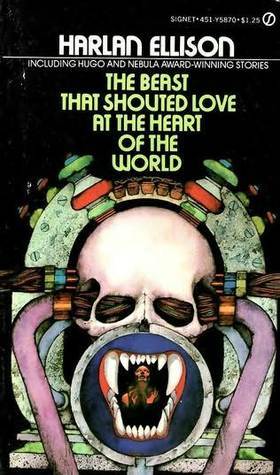


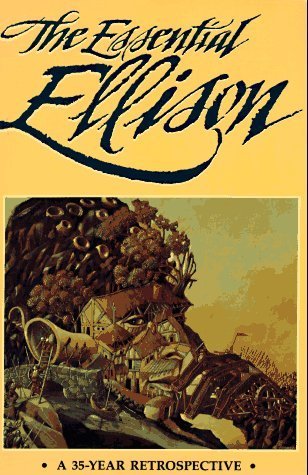
Summary of Key Ideas
Table of Contents
Challenging Social Taboos
The stories in "Dangerous Visions" collectively push the boundaries of acceptable discourse in science fiction by directly confronting social, sexual, and psychological taboos. Ellison’s editorial vision fosters a space where established authors and new voices dissect issues like non-traditional relationships, gender dynamics, and religion, making the anthology a daring cultural statement. With content once considered controversial, the collection asks readers to reevaluate their own prejudices and to contemplate a world beyond commonly accepted norms.
Questioning Reality and Identity
Many stories explore the slippery nature of reality and the shifting sense of self. Characters are frequently forced to question their own identities amid surreal circumstances or technological transformations. By altering the rules of perception, these speculative tales force readers to reflect on what constitutes individuality and consciousness. Whether through mind-bending premises or subjective storytelling, the stories investigate the limits of human understanding and the fragility of reality itself.
Exploring Human Morality
Moral quandaries permeate the anthology. Characters encounter drastic ethical dilemmas, from societal collapse to personal betrayals, often in settings pushing them to extreme choices. Several narratives zero in on the capacity for empathy, cruelty, sacrifice, and betrayal, highlighting how stress and unusual situations reveal true character. In doing so, these tales critique ironclad moral codes and question the universality of right and wrong, stressing circumstance over dogma.
The Role of Technology and Progress
Technology and scientific progress play ambivalent roles throughout the anthology. Some stories imagine advanced societies, artificial intelligences, or comprehensive surveillance, frequently with a critical eye. The implications of unrestrained technological development are probed, emphasizing both its potential for liberation and its capacity to degrade individuality or invite catastrophe. The unpredictable outcomes highlight humanity’s limited control over the tools it creates and their unforeseen consequences.
Authority, Freedom, and Rebellion
Power, authority, and the urge for rebellion underpin several stories and provide a subversive energy to the collection. Totalitarian regimes, oppressive hierarchies, and stultifying conformism are depicted and often challenged by individuals seeking freedom or meaning. Through these narratives, Ellison’s anthology becomes a manifesto for the subversive power of vision—warning against complacency and urging readers to fiercely question the structures that shape their world.
Download This Summary
Get a free PDF of this summary instantly — no email required.